Last updated November 22, 2026
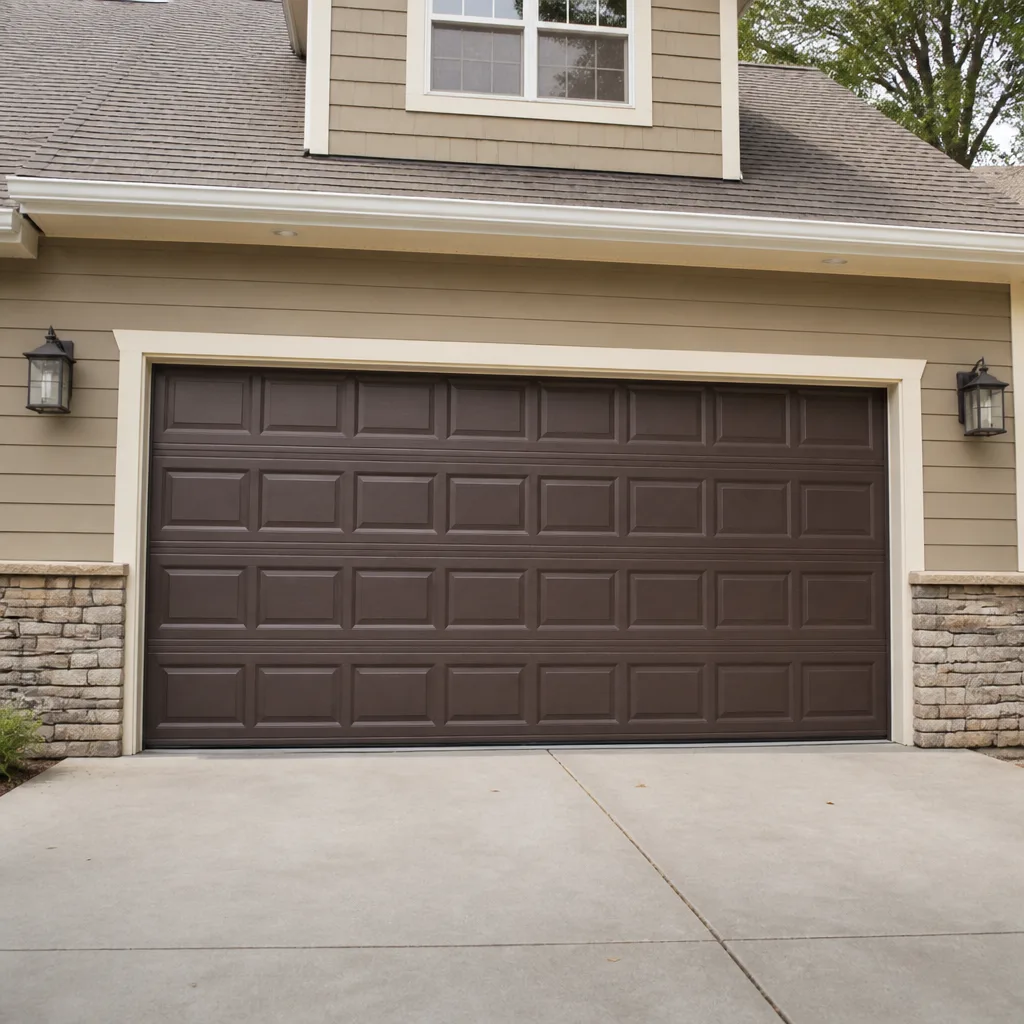 Raised-panel steel
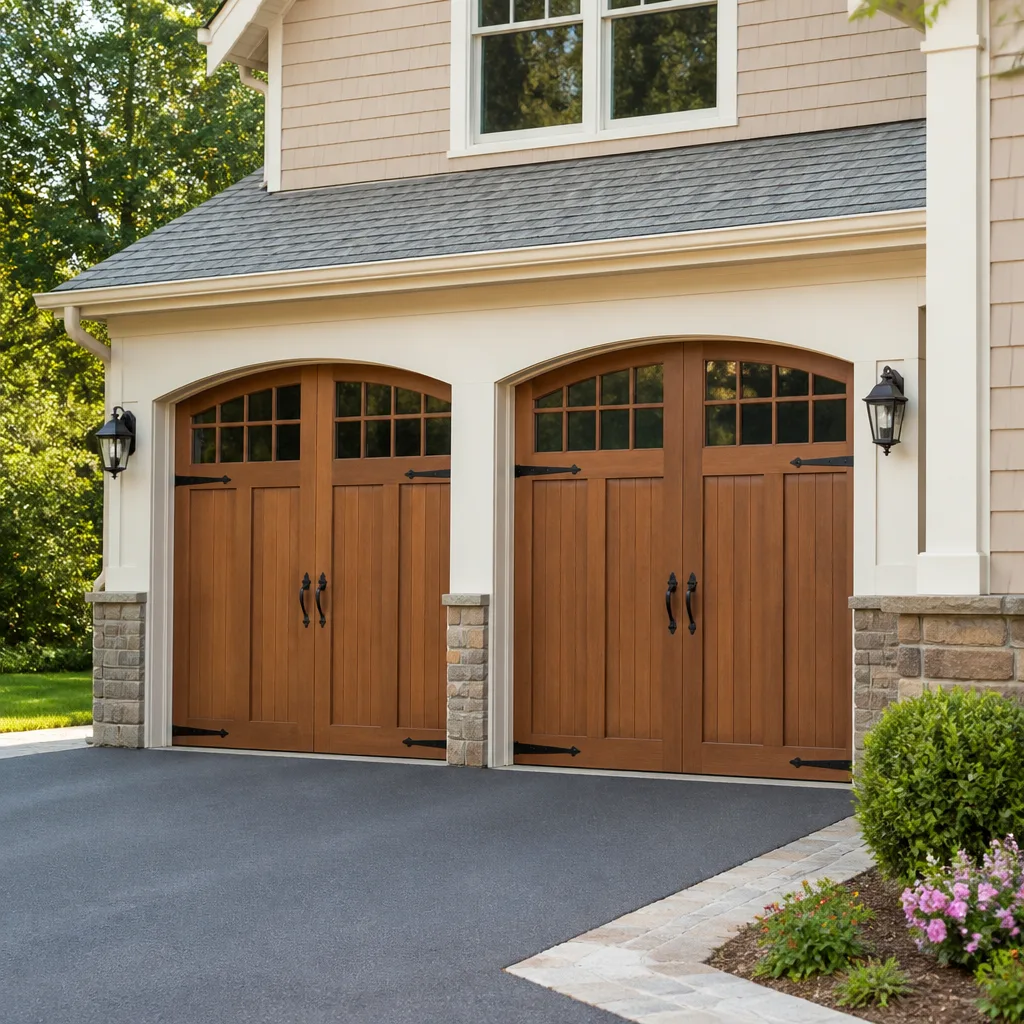 Carriage house
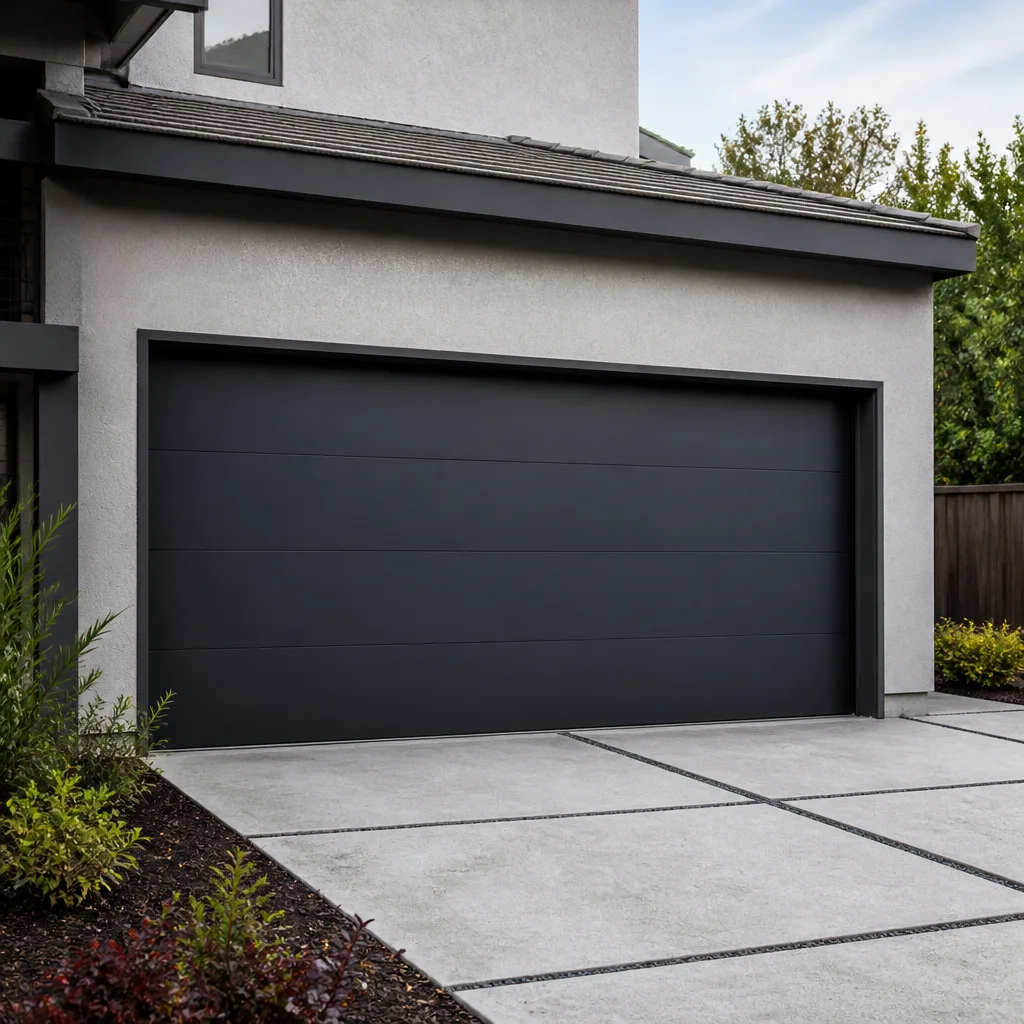 Modern flush
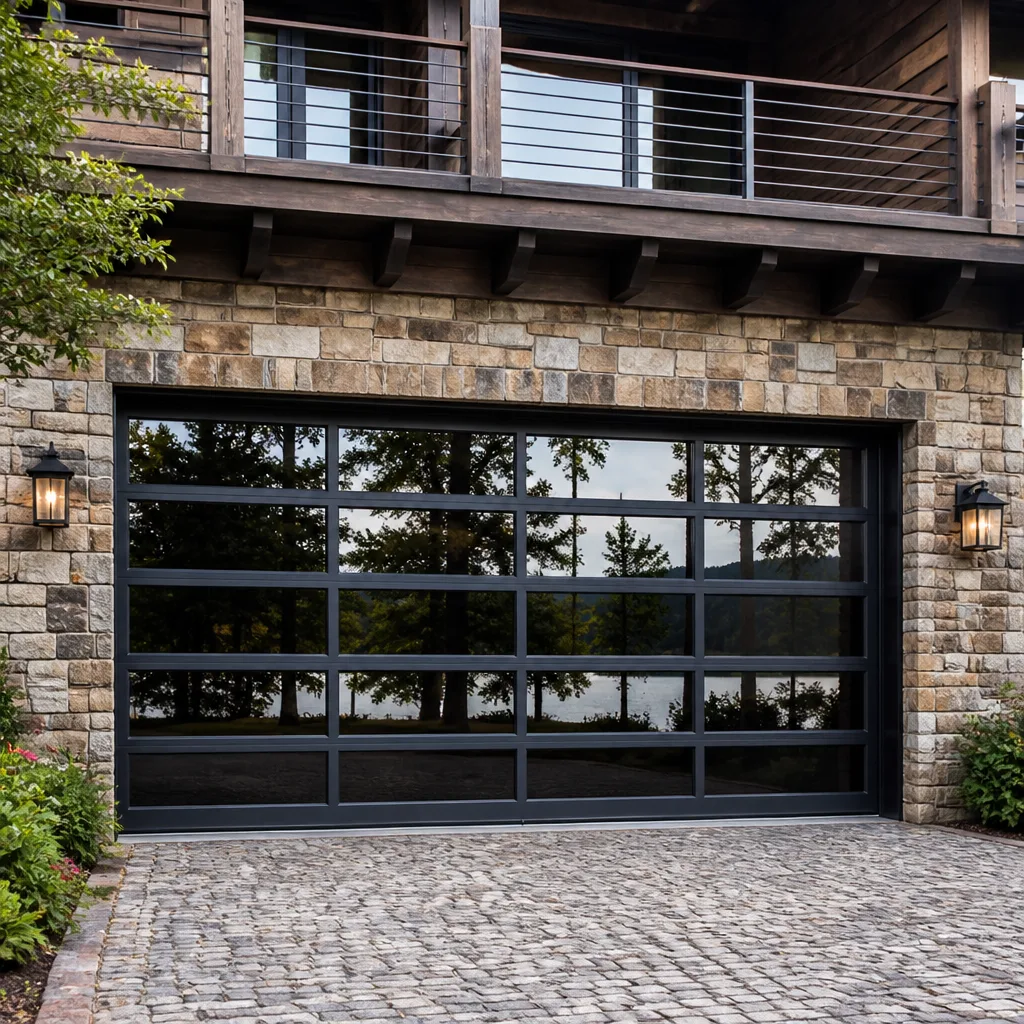 Full-view glass
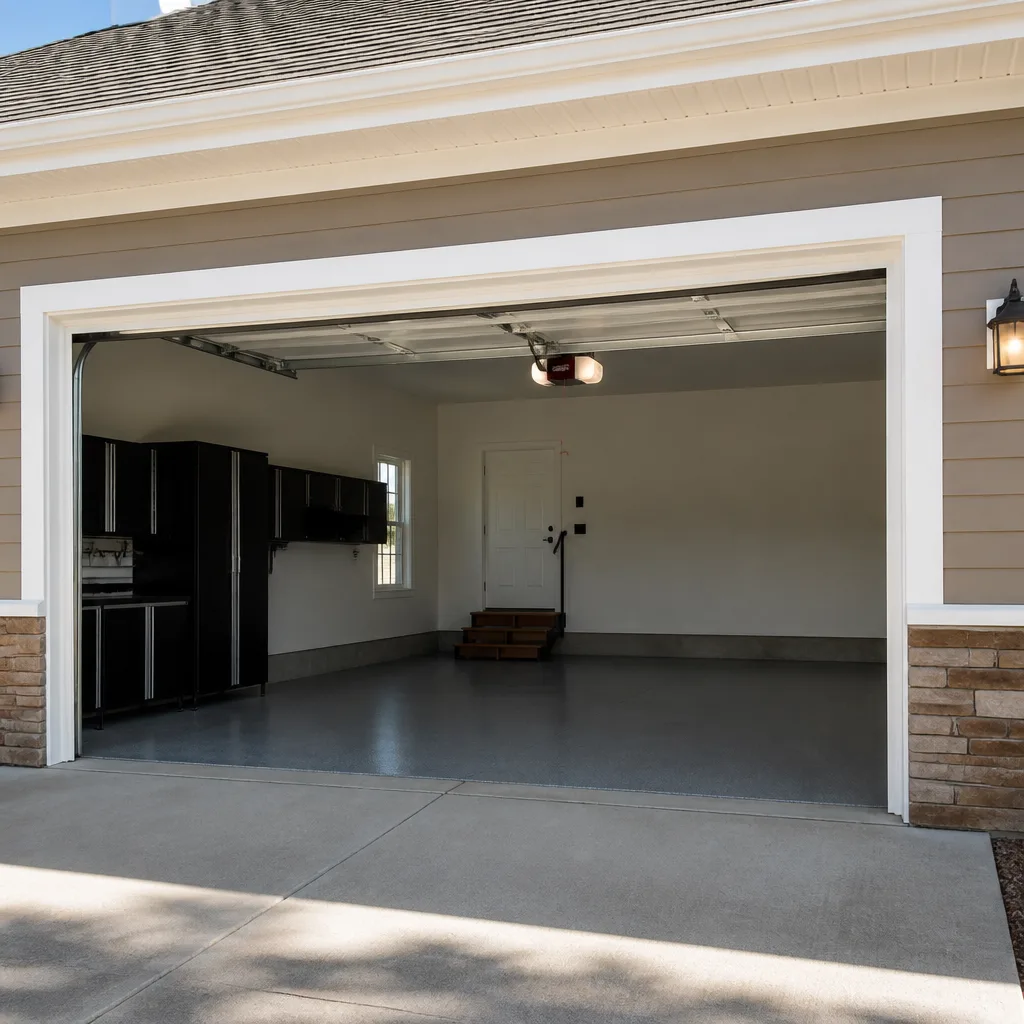 LiftMaster openers
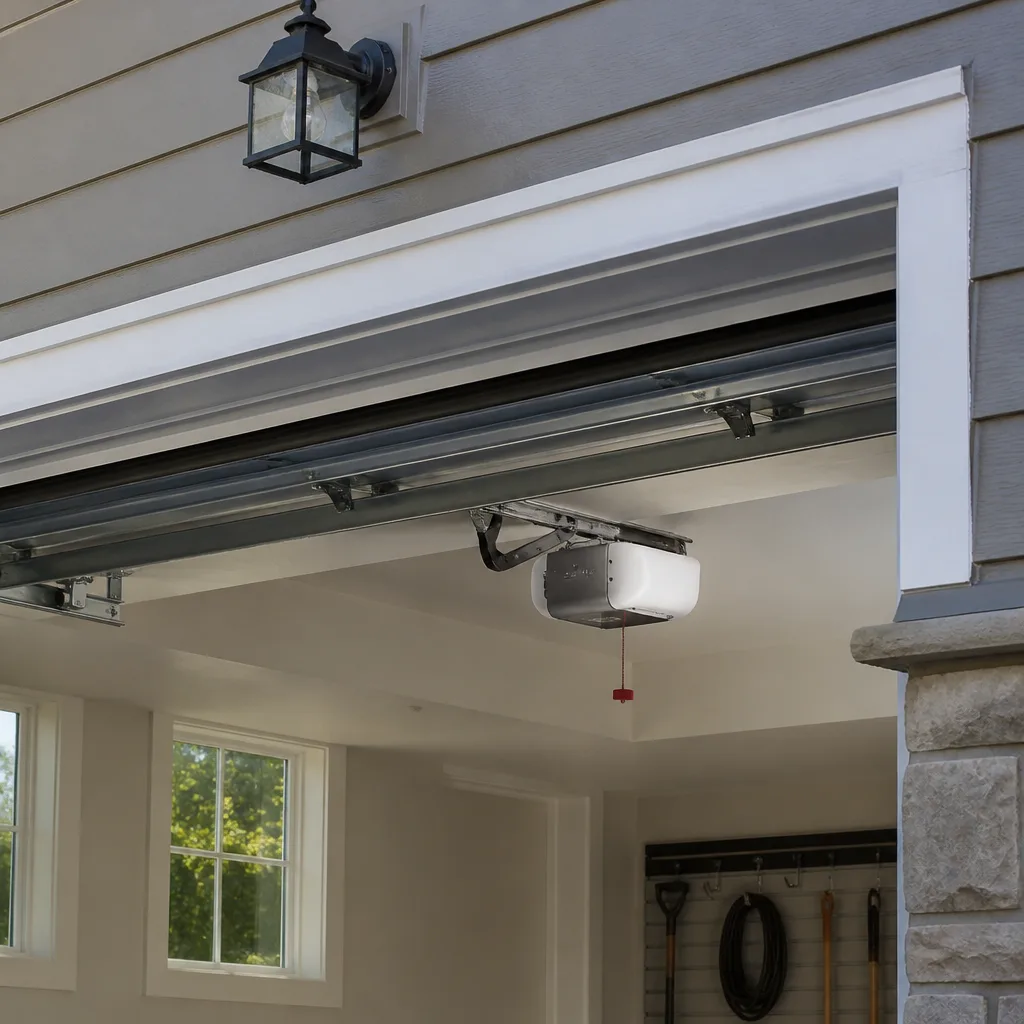 Chamberlain openers
Full 25-point door and opener safety check with every visit - springs, cables, rollers, tracks, and your LiftMaster or Chamberlain opener included
You get a price before we start. It does not change when the pro arrives.
Get your free estimateGarage Door Permits, Codes & Inspections in Burnsville, MN: What You Need to Know
Most Burnsville homeowners who replace a garage door never pull a permit, and for a straight like-for-like swap that’s usually the end of the story. The trouble starts when the job changes something structural or electrical: the opening gets resized, a new opener gets its own circuit, or a header gets modified to fit a taller door. Those changes cross a line that a simple replacement doesn’t, and the paper trail matters most at the moment you least expect it, which is a home sale inspection. This guide breaks down when a permit is required in Burnsville, when it isn’t, what inspectors actually look at, and how to fix a job that was done without one.
Quick Answer
In Burnsville, a like-for-like garage door replacement on a single-family home generally doesn’t require a building permit, but you should confirm that with the city’s building department before work starts. You do need a permit when the job changes the size or location of the opening, modifies the structural header, or adds new electrical work such as a dedicated circuit for an opener. Attached garages also have to meet fire-separation and egress rules, and those get missed on DIY and general contractor installs all the time.
Styles & brands we work with
- Raised-panel steel
- Carriage house
- Modern flush
- Full-view glass
- LiftMaster openers
- Chamberlain openers
Table of Contents
- What Triggers a Garage Door Permit in Burnsville?
- When You Don’t Need a Permit
- What Dakota County Inspectors Actually Check
- Fire Door and Egress Rules for Attached Garages
- How an Unpermitted Door Shows Up at a Home Sale
- Pulling a Retroactive Permit
- How Burnsville Winters Affect Doors and Inspections
- Your Pre-Inspection Checklist
What Triggers a Garage Door Permit in Burnsville?
Three categories of work push a garage door job into permit territory. The first is any change to the opening itself: making it wider, taller, or moving it sideways. That’s a structural change to the wall, and it involves the header, the framing, and the load above. The second is structural work on the header beam, even if the opening stays the same size. The third is new electrical work, which covers a dedicated circuit for an opener, new outlets, or anything that requires opening up a wall or running wire to the panel.
Here’s how the line usually falls in plain language:
- Same size, same location, same door type: almost always a replacement, no permit needed in most cases.
- Different size or moved opening: permit, because you’re altering structural framing.
- Header modified or reinforced: permit, because the load path changes.
- New opener circuit or new wiring: electrical permit, separate from the building permit.
- New garage door on a new addition or new construction: permit as part of the larger project.
We say “in most cases” because city code can change and your specific lot or structure can carry conditions that a general rule doesn’t cover. The right move is always the same: call the Burnsville building department and describe the job in one sentence. “Replacing a 16-foot door with another 16-foot door” gets you one answer. “Widening the opening by a foot” gets you another. That one phone call takes ten minutes and settles the question permanently. Our technicians have up to 14 years of experience, and in that time the jobs that caused trouble down the line were never the simple replacements. They were the ones where somebody assumed.
If you’re replacing the door and want it done to code from the start, our garage door installation work covers the full measure, order, and install sequence, and we’ll tell you upfront whether your job needs a permit before we schedule anything.
When You Don’t Need a Permit
A straight replacement usually doesn’t need a permit, and it helps to know exactly what that looks like so you can recognize your own job. The garage door is the same size, in the same spot, in the same wall. The door type is the same or a direct equivalent. No wiring changes. No framing changes. No changes to the header. You’re swapping one door for another, or one opener for another on an existing circuit.
That covers a large share of the work we see in Burnsville. Homeowners in neighborhoods across the city replace weathered doors, upgrade to insulated panels, or swap a worn opener without ever needing to visit the building department. It’s common, it’s fast, and it’s not something to feel nervous about.
What you should still do on a no-permit replacement:
- Check the opener wiring. If the existing opener circuit is correct and adequate, a new opener can usually go on it. If it isn’t, you’re in electrical permit territory.
- Match the door to the opening. Ordering the wrong size and shimming it in is not a replacement, it’s a modification with extra steps.
- Confirm the fire separation. An attached garage wall has to hold up. If the new door or its frame interferes with the fire-rated assembly, stop and ask.
- Keep the paperwork. Save the door spec sheet, the installer’s invoice, and the date. It’s not a permit, but it’s proof of what happened if anyone asks later.
If you’re not sure which side of the line you’re on, ask before you buy the door. We answer that question on estimates all the time, and it costs nothing to know. For straightforward repairs that don’t touch framing or wiring, garage door repair rarely involves the city at all.
What Dakota County Inspectors Actually Check
Homeowners often assume an inspector walks in, looks at the door, and confirms it opens and closes. That’s not the job. The inspector is checking the structure, the fire separation, and the safety hardware. The door’s cosmetic condition, brand, and finish are not on the list. What is on the list is whether the opening is framed correctly, whether the header carries the load the way the plans say it should, and whether the fire-rated wall between the garage and the house is intact.
Here’s the split between what people expect and what actually gets checked:
- They do check: framing around the opening, header connections, structural attachment to the wall, fire separation between garage and living space, the self-closing and self-latching function of the door between garage and house, and the presence of required safety features on the opener.
- They don’t check: paint color, panel style, whether the door matches the neighbors, the brand of the door, or how quiet the opener runs.
- They sometimes check: the electrical circuit feeding the opener, if the permit covered electrical work.
The one thing that catches homeowners off guard is fire separation. When a garage is attached to a house, the wall and the door between them do real work in a fire. If a DIY install or a general contractor’s install compromised that assembly, it’s a structural and life-safety issue, not a finish issue, and the inspector will flag it. We’ve seen this come up on remodels where the garage door was replaced as part of a larger project and nobody thought about the door between the garage and the house.
The other thing inspectors care about is whether the opener has the required safety reverse function and photoelectric eyes in place and working. That’s a code requirement on openers, and if a new garage door opener repair or replacement was done without those, it’s a fail.
Fire Door and Egress Rules for Attached Garages
Attached garages carry fire code requirements that standalone garages don’t, and these are the ones that get missed most often. The wall separating the garage from the living space has to resist fire for a set period, and the door in that wall has to be a fire-rated door that self-closes and self-latches. Those three words matter: fire-rated, self-closing, self-latching. A hollow-core interior door propped open with a brick satisfies none of them.
What to look for on an attached garage in Burnsville:
- The house-to-garage door should be solid or rated, and it needs a self-closer and a latch that catches without help. Springs on the hinges are common, and they wear out.
- The wall and ceiling between garage and living space should be intact with no holes, no missing drywall, and no gaps around penetrations. Every hole is a path for fire and fumes.
- The garage door itself is usually not a fire-rated door, and it doesn’t need to be. The fire separation lives on the wall and the house-side door, not on the overhead door.
- Step-downs and thresholds between garage and house should be sealed. Weatherstripping and door sweeps do real work here, not just comfort work.
Egress is the other half. Any sleeping room needs a way out that doesn’t pass through the garage, and a garage is never a legal egress path. That’s rare on a garage door job, but it comes up when a homeowner converts part of the garage or adds a room over it. Confirm with the Burnsville building department before you design around a garage wall or opening.
This is also where we see the gap between specialist work and generalist work. A handyman replacing a door doesn’t necessarily know the fire separation rules. We do, because it comes up on attached garage installs constantly, and we flag it before the door goes up, not after. If your opener or door is stuck and you’re weighing options, Burnsville Garage Door Repair Pros is a good place to start.
How an Unpermitted Door Shows Up at a Home Sale
The one moment an unpermitted garage door modification costs real money is a home sale. A buyer’s inspector looks at the door, notices the opening size doesn’t match what the county has on record, or spots new framing with no permit history, and flags it. That becomes a negotiation item, a repair credit request, or a hold on closing until it’s resolved.
What typically happens from there:
- The buyer’s inspector flags it. The report says something like “garage door opening appears modified; no permit on record.”
- The seller has to disclose. Once it’s on an inspection report, it’s known, and that changes what the seller can say.
- The fix is either a retroactive permit or a correction. Sometimes the work is fine and just needs the paperwork. Sometimes it needs to be brought up to current code, which can mean opening the wall back up.
- The cost of remediation typically runs well above the original permit fee. A permit is a modest line item. Reopening a finished wall, correcting framing, and re-inspecting is not. That gap is the whole reason this guide exists.
None of this is meant to scare anyone off a door replacement. The vast majority of replacements in Burnsville happen without a permit because they don’t need one, and they close just fine. The point is narrower: if your job touched the opening, the header, or the wiring, the permit is cheap insurance against a much more expensive conversation down the road.
Pulling a Retroactive Permit
If work was already done without a permit and you want to get it on record, the process is called a retroactive or after-the-fact permit. It’s available, it’s routine, and it’s far better than leaving the work undocumented. The city building department handles it, and the process generally looks like this:
- Call the Burnsville building department. Describe the work that was done, when it was done, and what it involved. Ask what documentation they need.
- Gather what you have. The door spec sheet, the invoice from the installer, and photos of the installation are useful. If you have nothing, say so; the inspector will tell you what they need to see.
- File the application. Expect to pay the permit fee plus whatever administrative fee the city applies to after-the-fact permits.
- Schedule the inspection. The inspector will look at the work as it stands. If it meets code, you get the sign-off. If it doesn’t, you get a list of corrections.
- Make the corrections and re-inspect. Most corrections are minor framing or hardware items. Some are structural. You won’t know until the inspector has been out.
The one thing to understand before you call is that a retroactive permit can’t make a bad job good. It documents what’s there and requires it to meet current code. If the work doesn’t, the corrections are on you. That’s still almost always better than an undocumented modification surfacing at a sale, because you control the timeline and the fix instead of a buyer’s inspector controlling it for you.
Before you call the city, get a specialist’s eyes on the door. Our garage door spring repair and door repair work includes assessing whether a previous install was done correctly, which gives you a straight answer on what the inspector is likely to flag.
How Burnsville Winters Affect Doors and Inspections
A Burnsville garage door gets a workout that a door in a milder climate doesn’t. Cold snaps stiffen springs and grease, freeze door thresholds to the floor, and put repeated load cycles on every moving part. That’s a maintenance reality, not a code one, but the two connect. An inspector who sees a door that binds, drags, or won’t close fully on its own may want to know why, and a door that’s out of balance is often a door that was installed or adjusted incorrectly.
What that means for you:
- Freeze-thaw at the slab. The bottom seal and threshold take the worst of it. A seal that’s rigid with cold is a seal that lets meltwater in. Replace it before it causes a problem.
- Spring tension in cold weather. Metal contracts, and springs that are near the end of their life tend to fail in a cold snap. This is one reason spring work is safety-critical. High-tension springs and the cables attached to them can cause serious injury, and we don’t recommend anyone adjust, cut, or replace them without the right tools and training. Call a trained professional.
- Opener strain. A door that drags is a door the opener works harder to lift, and the opener wears out faster. If you notice a change in how the door moves, address it early.
- Insulation and fit. A well-fitted door with a good seal holds heat better, and that matters more in Burnsville than most places.
None of this is a permit issue on its own. It’s a maintenance issue that becomes a permit issue when the fix turns into structural work. Keep the door adjusted and the seals intact, and you’ll rarely end up in a conversation with the city at all.
Your Pre-Inspection Checklist
If you’re heading into an inspection, whether it’s a city inspection or a buyer’s inspection at a sale, this is what to confirm before anyone shows up. Work through it in order:
- Confirm the permit status. Do you have a permit on record for this work? If yes, is the inspection scheduled? If no, does the work actually require one? Call the Burnsville building department if you’re unsure.
- Check the fire separation. The wall between garage and house should be intact, with no holes, gaps, or missing drywall. The house-side door should self-close and self-latch.
- Test the opener safety reverse. The photoelectric eyes should be in place and working, and the door should reverse on contact with an obstruction. Test both.
- Watch the door cycle. Open and close it fully. It should move smoothly, close completely, and not bind or drag. If it does, that’s a balance issue and it needs adjustment.
- Look at the hardware. Hinges, rollers, and cables should be intact. Springs should show no gaps or stretched sections. If anything looks wrong, don’t operate the door repeatedly to check. Call a professional.
- Gather your paperwork. Door spec sheet, installer invoice, and any photos you have of the installation. The inspector may not need them, but having them is better than not.
- Fix the small stuff first. Weatherstripping, seals, and sweeps are cheap and easy. Get them handled before the inspection so the report is about structure, not trim.
Common Mistakes to Avoid
- Assuming a permit is always required for a replacement. In most like-for-like cases it isn’t, and pulling an unnecessary permit just costs time. Ask before you act.
- Assuming a permit is never required. The jobs that get people in trouble are the ones where the opening changed or the header was modified, and nobody thought about it until a sale.
- Letting a general contractor handle a garage door install. A generalist may not know the fire separation rules or the opener safety requirements. This is a specialist trade for a reason.
- Replacing the opener without checking the circuit. A new opener on inadequate wiring is a short-term fix with a long-term problem attached. Verify the circuit first.
- Ignoring the house-to-garage door. The overhead door gets all the attention. The fire-rated door between garage and house is the one that has to self-close and self-latch, and it often doesn’t.
- Doing spring work yourself. High-tension springs are the single most dangerous component on a garage door. This is the one job where the answer is always the same: call a professional.
- Waiting until a sale to fix an unpermitted job. A retroactive permit is manageable when you have time. It’s a much harder conversation when a closing date is looming.
See the difference
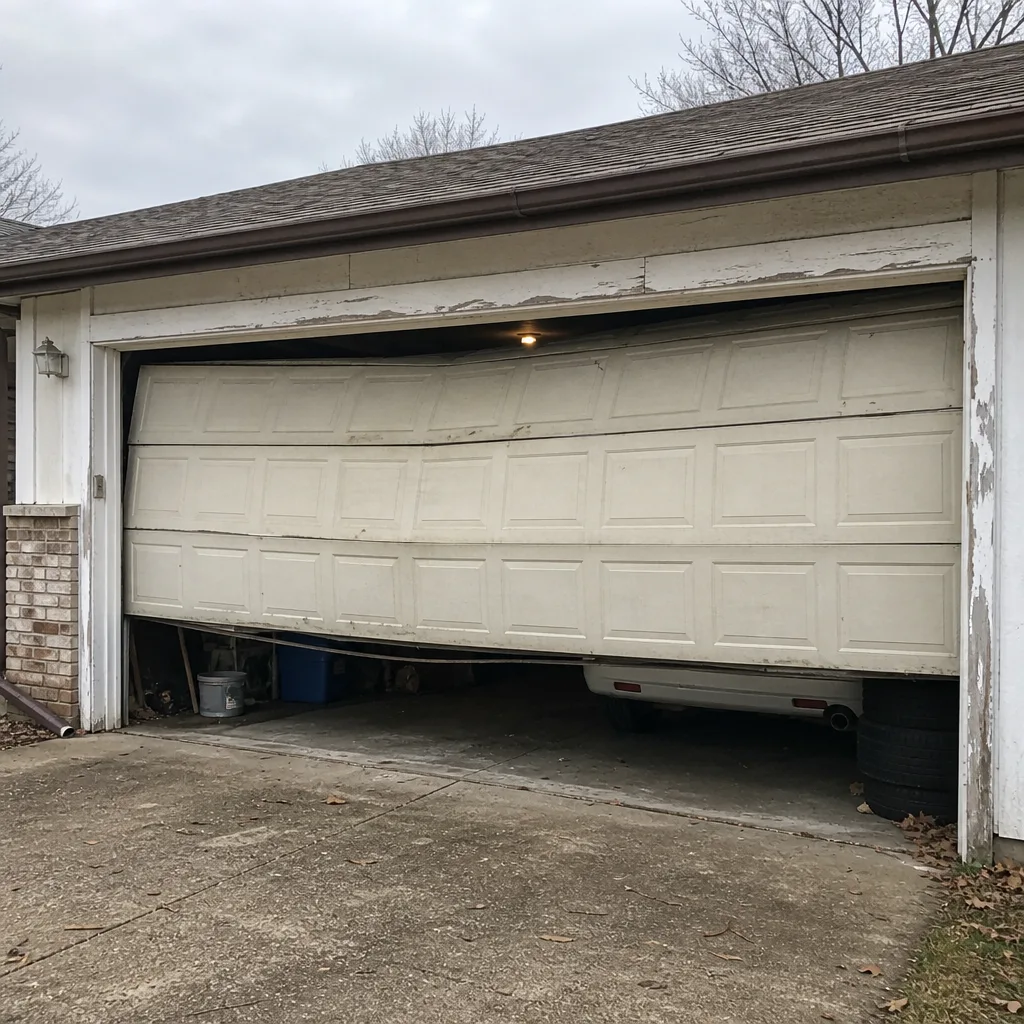 Before
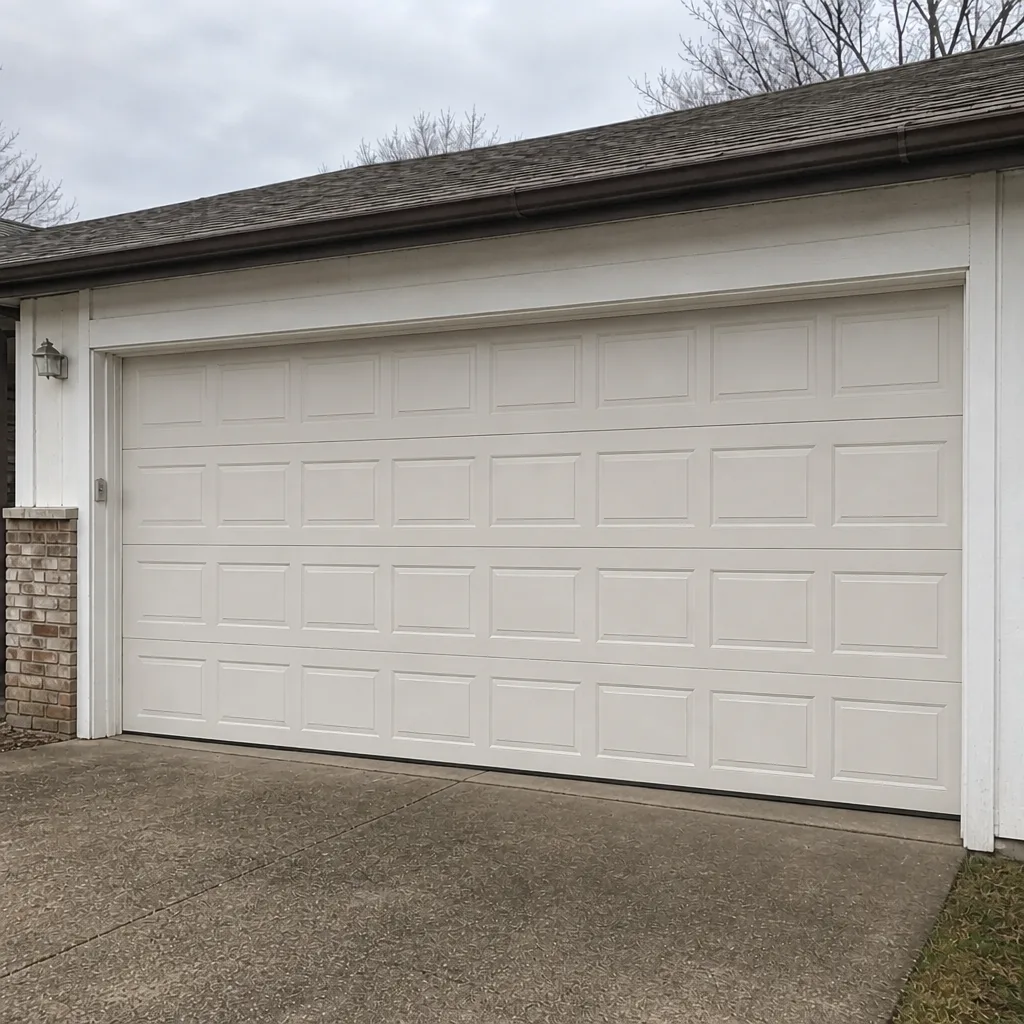 After
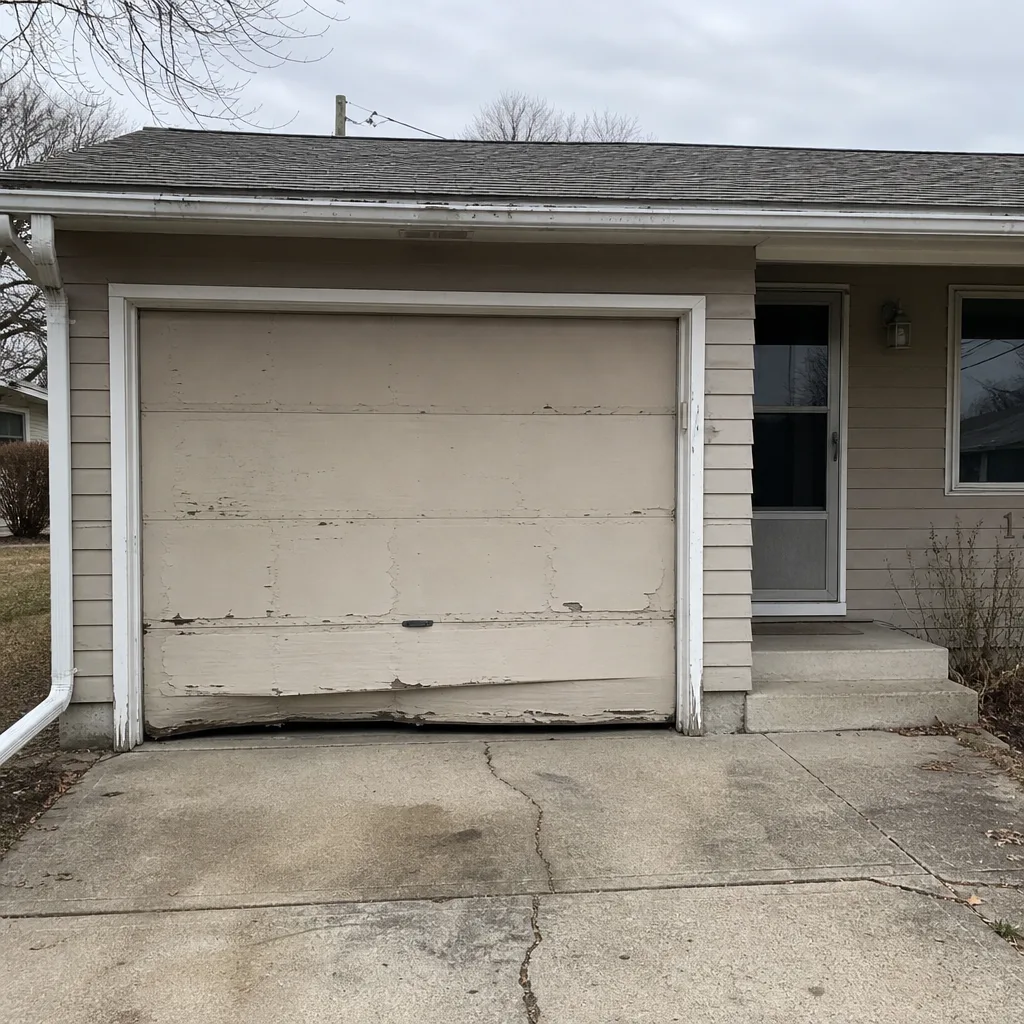 Before
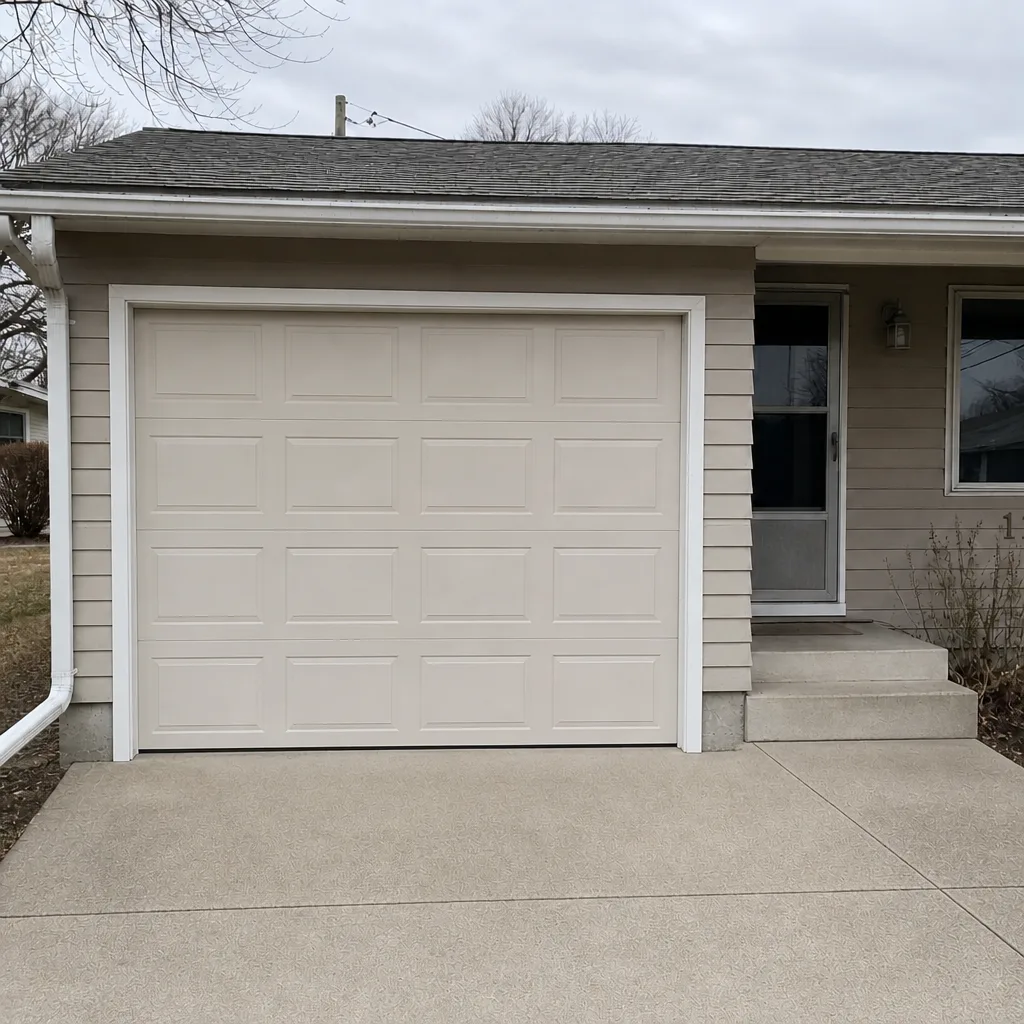 After
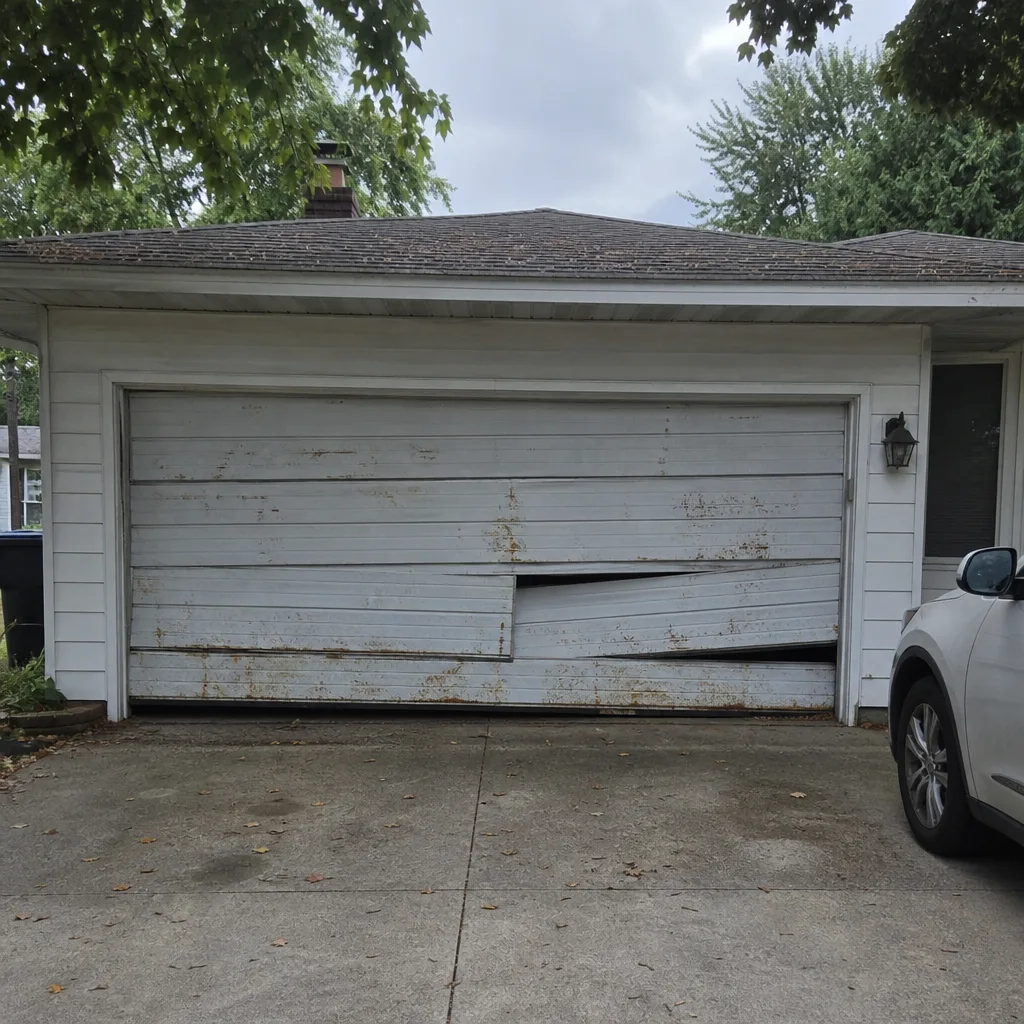 Before
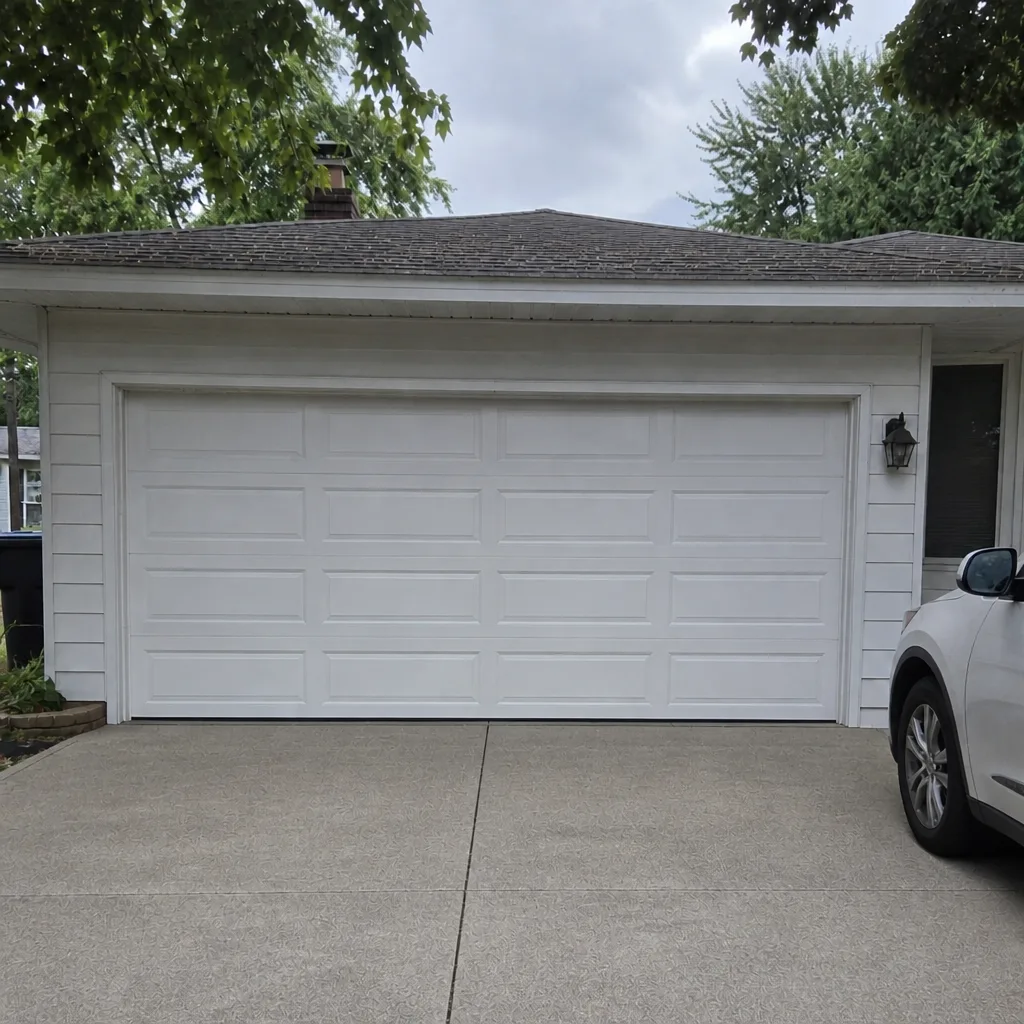 After
When to Call a Professional
Call a professional when the job involves the opening size, the header, the wiring, or the springs. Those four are the ones where a mistake is expensive, dangerous, or both. Call us when you’re not sure whether a permit is needed and want a straight answer before you order a door. Call us when a previous install looks questionable and you want to know what an inspector is likely to flag. Call us when a spring breaks and the door won’t lift, because that’s a job for someone who does it every day and knows how to do it safely. Burnsville Garage Door Repair Pros offers free estimates in Burnsville. Call (844) 443-4836 and we’ll give you an upfront price and a written estimate before any work starts.
Frequently Asked Questions
In most cases, no. A like-for-like replacement (same size, same location, same door type, no wiring changes) generally doesn’t require a building permit in Burnsville. You do need one when the opening size or location changes, when the structural header is modified, or when new electrical work is added. Confirm with the Burnsville building department before work starts. Call (844) 443-4836 if you want a straight answer on your specific job before you order the door.
Yes, if the opener is missing required safety features like the photoelectric eyes or the safety reverse function, it can fail inspection. Those are code requirements on openers, and they’re checked on new installs. If you’re replacing an opener, make sure the safety features are in place and working before inspection day. Our garage door opener repair work covers this. Call (844) 443-4836 for a free estimate.
You can pull a retroactive permit through the Burnsville building department. It documents the work and requires it to meet current code. If the work is fine, you get the sign-off. If it isn’t, you get a corrections list. The cost of remediation usually runs well above the original permit fee, which is the reason to handle it before it comes up at a sale. Call (844) 443-4836 for a free assessment of what an inspector is likely to flag.
It can. A buyer’s inspector may flag a modified opening or new framing with no permit on record, which turns into a negotiation item or a hold on closing. Once it’s on the report, the seller has to disclose it. Handling it early with a retroactive permit is far easier than handling it under a closing deadline. Call (844) 443-4836 if you want to know where your door stands before a sale.
The wall separating the garage from the living space has to resist fire for a set period, and the door in that wall has to be fire-rated, self-closing, and self-latching. The overhead garage door itself usually doesn’t need to be fire-rated. These details get missed on DIY and general contractor installs. Ask your city’s building department for the exact requirements on your home. Call (844) 443-4836 if you want a specialist to check the installation.
Only if the job adds new electrical work, such as a dedicated circuit for the opener. A direct replacement on an existing, adequate circuit generally doesn’t need a permit. If the wiring has to be run new, you’re in electrical permit territory. Our garage door opener repair work covers both replacement and diagnostics. Call (844) 443-4836 for a free estimate before work begins.
The Bottom Line
Most garage door replacements in Burnsville don’t need a permit, and that’s fine. The jobs that do need one are the ones where the opening changes, the header gets modified, or new electrical work gets added, and those are exactly the jobs that cause trouble at a home sale if they go undocumented. Dakota County inspectors check structure, fire separation, and safety hardware, not paint or brand. Fire separation on an attached garage is the most commonly missed requirement. If work was done without a permit, a retroactive permit is available and manageable when you have time to handle it. The written estimate you get upfront is the price you pay, and it’s quoted and agreed before any work starts. When you want a specialist’s eyes on your door, or a straight answer on where you stand, call (844) 443-4836 for a free estimate.
Written by the team at Burnsville Garage Door Repair Pros.