Last updated November 22, 2026
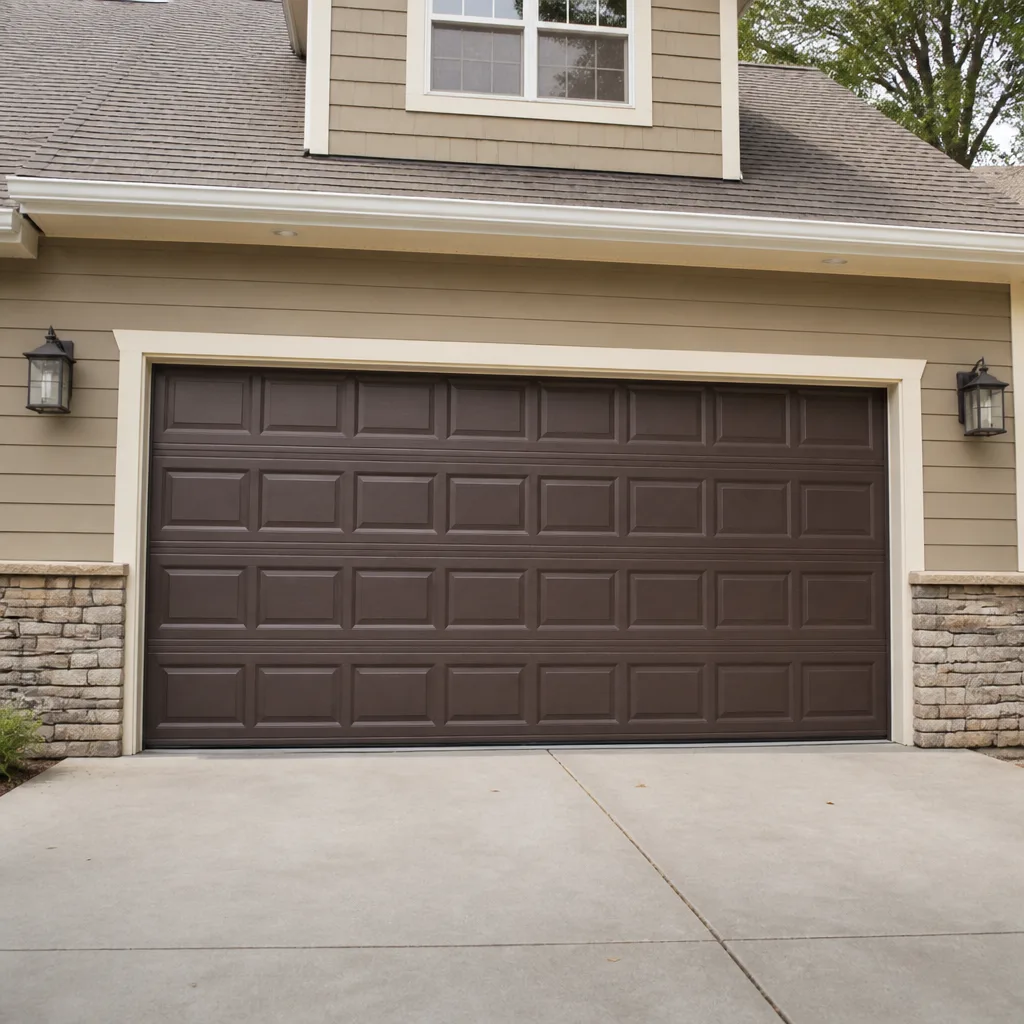 Raised-panel steel
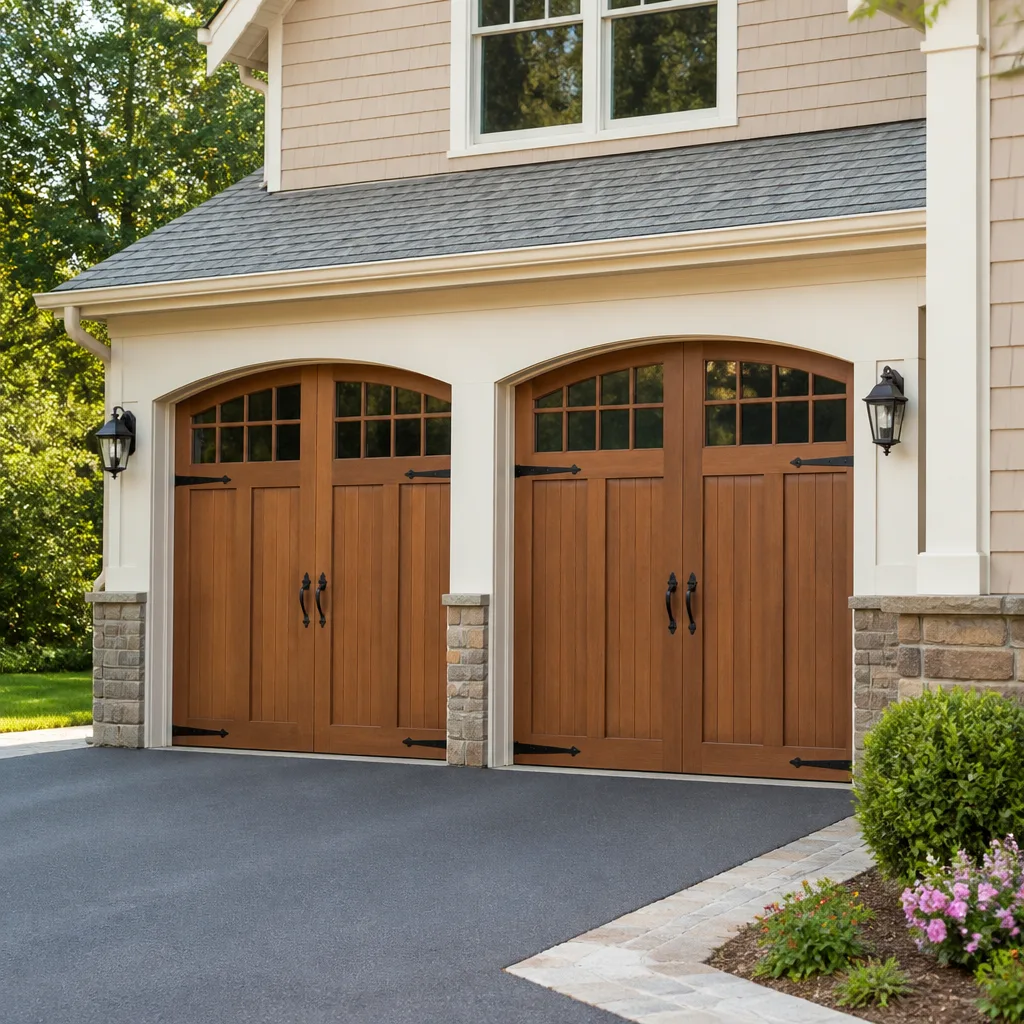 Carriage house
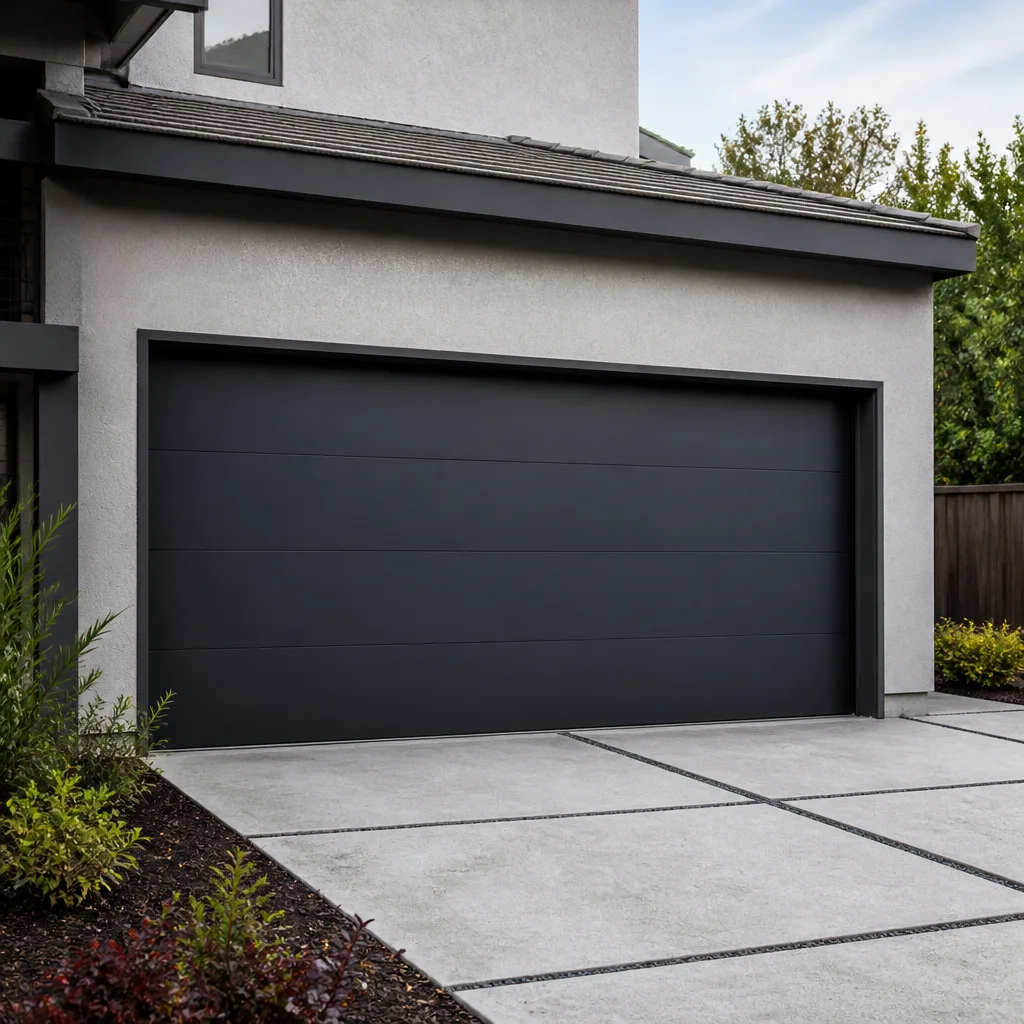 Modern flush
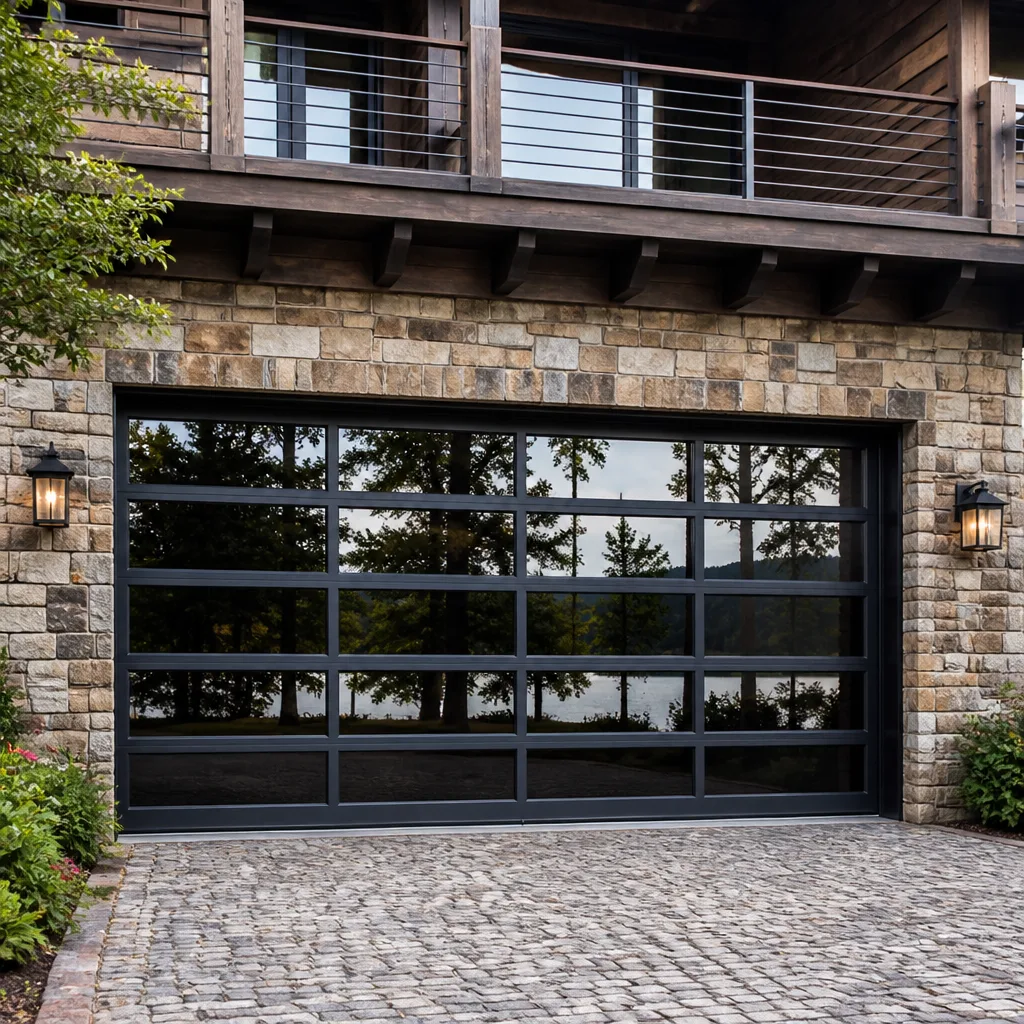 Full-view glass
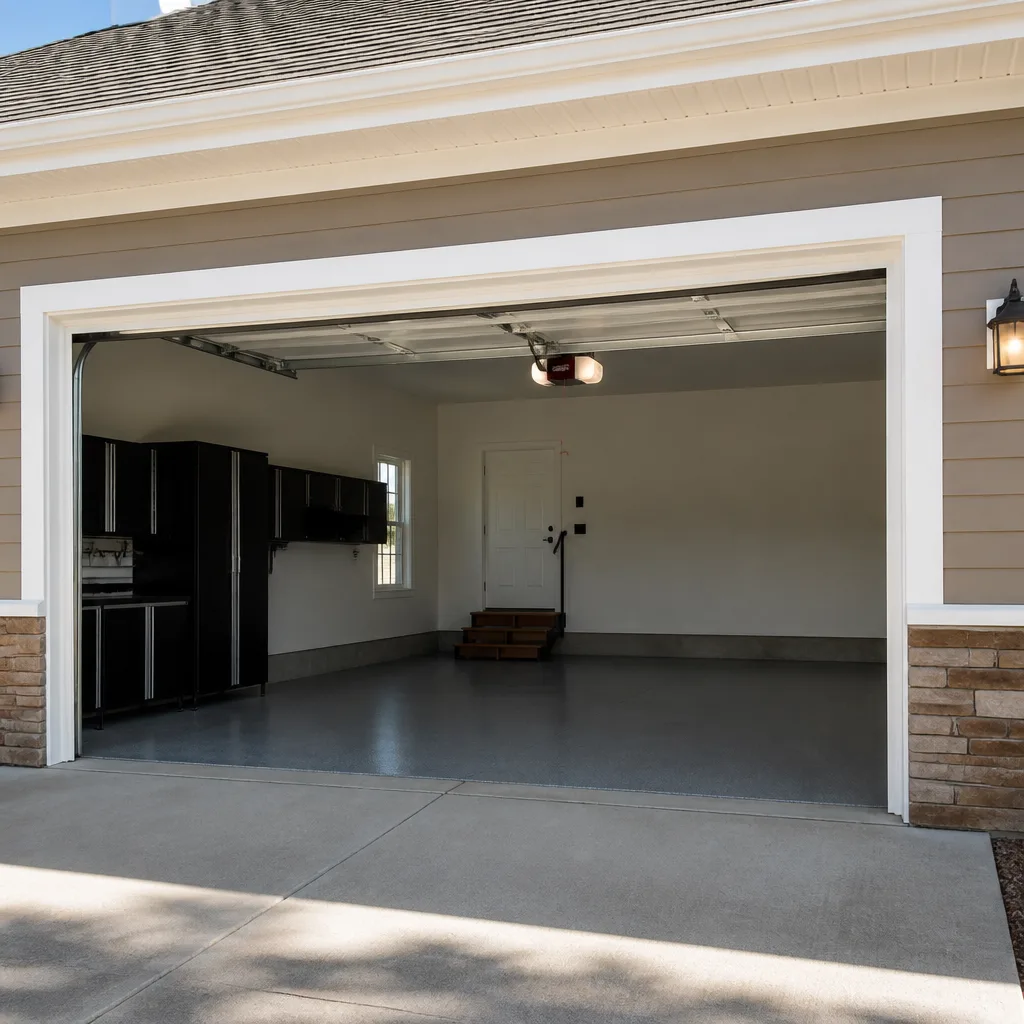 LiftMaster openers
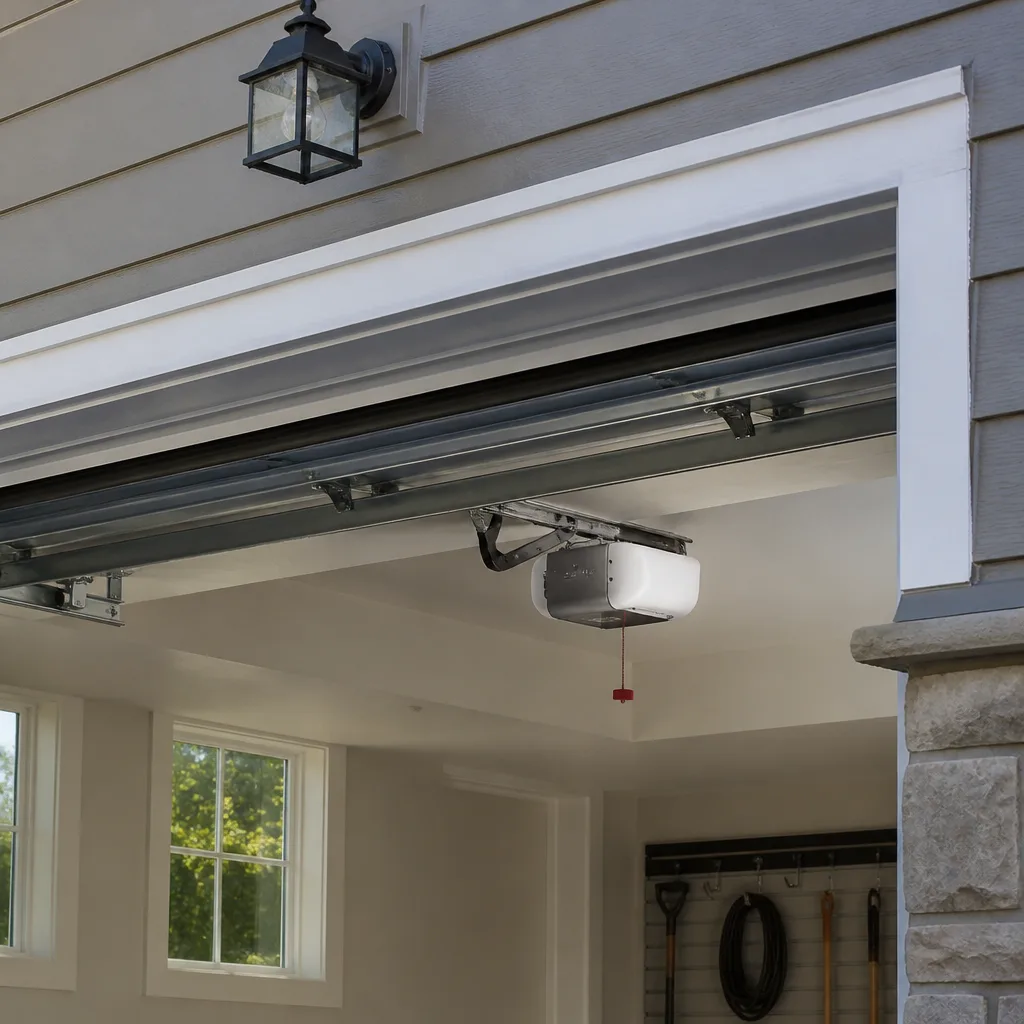 Chamberlain openers
Full 25-point door and opener safety check with every visit - springs, cables, rollers, tracks, and your LiftMaster or Chamberlain opener included
You get a price before we start. It does not change when the pro arrives.
Get your free estimateDIY vs Professional Garage Door: The Burnsville Homeowner’s Decision Guide
Most home repair advice splits into two useless camps: “never touch it, call a pro” or “anyone with a YouTube account can do this.” Garage doors deserve a sharper answer than that. The truth is that a handful of garage door jobs are genuinely safe and sensible for a mechanically confident homeowner to handle, and a few others carry injury and liability profiles that make professional work the only responsible choice. This guide draws that line task by task, with no sales agenda: we’ll show you what to attempt, what to skip, what DIY really costs once you count tools and time, and how to reduce the price of a professional visit when you do need one. Burnsville homeowners deal with a specific set of conditions – hard freeze-thaw cycles, road salt tracked onto the apron, attached garages that share walls with living space – and those conditions change some of the math.
Quick Answer
For Burnsville homeowners, the split is straightforward: lubrication, visual inspections, sensor alignment, track cleaning, weather seal replacement, and remote or keypad programming are all reasonable DIY jobs. Torsion spring replacement, cable replacement, panel replacement under tension, and any high-voltage opener wiring are not – those involve stored mechanical energy or electrical work that can seriously injure you, and in an attached garage they can compromise safety systems your household depends on. Everything in between depends on your tools, your experience, and whether the door is currently under load.
Styles & brands we work with
- Raised-panel steel
- Carriage house
- Modern flush
- Full-view glass
- LiftMaster openers
- Chamberlain openers
Table of Contents
- Where the DIY Line Actually Falls in a Garage Door
- Task-by-Task: What You Can Do and What You Shouldn’t
- Why Torsion Springs Are the One Job We Never Suggest DIY
- The Real Cost of DIY vs Professional Work
- How to Reduce the Cost of a Professional Visit
- How to Judge a Garage Door Tutorial Before You Trust It
- Warranty, Liability, and Opener Safety in an Attached Garage
- Burnsville Conditions That Change the Calculation
Where the DIY Line Actually Falls in a Garage Door
Garage doors are the largest moving object in most homes, and they’re held up by a system that stores energy continuously. That combination is what makes the DIY question different from, say, painting a fence. The dividing line isn’t about skill level or confidence. It’s about whether the task requires you to release, transfer, or work against stored mechanical energy or line voltage.
Here’s the mental model we use, and it’s worth internalizing before you pick up any tool:
- Low-energy, low-voltage tasks: lubrication, inspection, cleaning, seal replacement, sensor adjustment, remote programming. Safe for most homeowners.
- Energy-storage jobs: torsion springs, extension springs, and the cables that run alongside them. These hold enough force to seriously injure a trained technician if something goes wrong. Not DIY.
- Structural and alignment jobs: bent tracks, panel replacement, hinge and roller swaps on a door that’s under spring tension. Sometimes appropriate with experience, often not, and always dependent on the door’s current state.
- Electrical jobs: opener wiring to line voltage, new circuit work, panel-side connections. Licensed electrician territory in most cases, not homeowner and not general garage door work.
In our experience across Burnsville, the calls that turn into a real injury story almost always involve someone who was mechanically capable but didn’t know what they didn’t know – the spring had stored energy they didn’t account for, or the door had a broken cable they hadn’t seen. That’s not a competence problem. It’s an information problem, and it’s exactly why certain jobs have a bright line around them.
If your door is currently stuck, off its track, or making a sound it didn’t make yesterday, the smart move is to stop and get eyes on it before you touch anything. We handle garage door repair for Burnsville homes every week, and the most common thing we hear is “I tried to fix it myself first and made it worse.”
Task-by-Task: What You Can Do and What You Shouldn’t
Here’s the breakdown we’d give a friend. This isn’t a sales sheet; several of these we’re happy to see you handle yourself.
Reasonable DIY jobs
- Lubrication. A garage door has hinges, rollers, a torsion bar bearing plate, and a track that all benefit from a proper garage-door lubricant (not WD-40, which is a solvent, not a lubricant). Once or twice a year is typical in Burnsville’s climate. Takes about 15 minutes.
- Visual inspection. Look at cables for fraying, springs for gaps or rust, hinges for wear, and the bottom seal for cracking. You don’t need tools for this, just attention.
- Safety sensor alignment. The two photo-eye sensors at the bottom of the track often get bumped. If the door won’t close, check that both LEDs are lit and that the lenses are clean. A gentle nudge can realign them.
- Track cleaning. Wipe down the tracks with a rag. Don’t lubricate them – tracks are meant to stay dry, and grease attracts grit that wears the rollers.
- Weather seal replacement. The rubber or vinyl strip at the bottom of the door is a wear item. It’s a homeowner-friendly swap on most doors.
- Remote and keypad programming. Adding a new remote or changing a keypad code is a five-minute job with the opener manual, regardless of whether you have a Genie, a LiftMaster, or a Chamberlain unit.
Not DIY jobs
- Torsion spring replacement. This is the one. See the dedicated section below.
- Extension spring replacement. Less energy than torsion, still enough to break a wrist or worse if it releases unexpectedly. The hardware involved (safety cables, spring containment) matters as much as the spring itself.
- Cable replacement. Cables are under the same tension as the springs and can whip with serious force if they fail during the job. They should only be replaced with the door in a controlled, de-tensioned state by someone who knows how to get it there.
- Panel replacement on a door with intact springs. A panel is heavy, edges are sharp, and getting one into place on a tensioned door is a two-person trained job, not a solo homeowner job.
- Anything that touches opener line voltage. New opener installation, moving the opener, or chasing a wiring fault. Low-voltage sensor and wall-button wiring is fine; line voltage is not.
If you’re the type who rebuilds your own engines, you may be thinking the panel and cable jobs are within reach. Maybe. But the failure mode on a garage door isn’t a stripped bolt – it’s dropped weight and uncontrolled stored force. The margin for error is different from most mechanical work.
Why Torsion Springs Are the One Job We Never Suggest DIY
A torsion spring stores enough energy to lift a door that weighs a few hundred pounds, and it stores that energy continuously – not just when the door is moving. A typical spring is wound to significant tension during installation and holds that force for the life of the spring. When it’s time to replace it, that energy has to be released in a controlled way, and any slip during the process releases it all at once.
That’s the whole danger. Not that a homeowner is careless – most aren’t. It’s that the physics don’t forgive a single wrong move, and the tools that make the job controllable (proper winding bars, the right size bars for the spring, a solid ladder position, understanding which way the spring is wound) aren’t standard homeowner equipment. Winding bars alone are a specific purchase, and using the wrong diameter is one of the most common mistakes.
Beyond the injury risk, there’s a quieter problem: a spring that’s the wrong size, wound to the wrong tension, or paired with a mismatched partner spring will wear out faster, stress the opener, and often fail in weeks rather than years. Garage doors are matched systems. The spring has to fit the door weight, the drum, the cable, and the opener’s capability. Getting that wrong isn’t visible until later.
This is the one repair we won’t even talk a homeowner through on the phone. Our garage door spring repair team handles these every day across Burnsville, and we treat them as the most safety-critical service we offer. If your door has snapped a spring and is stuck down, that’s an emergency – call us and we’ll get to it. If your spring is intact but you’re hearing a clunk or seeing a gap in the coils, don’t wait for it to fail on a Sunday morning. Get it looked at.
The Real Cost of DIY vs Professional Work
The honest comparison isn’t “parts cost vs service call.” It’s total cost including tools, time, mistake recovery, and the odds of a second attempt. Here’s how that lines up for the most common garage door jobs, using typical Burnsville market ranges. These are estimates; the written quote we hand you is the real price.
| Job | DIY total cost (parts + tools + time) | Professional estimate | Verdict |
|---|---|---|---|
| Lubrication & inspection | Under $20, under 30 min | $90 – $150 service call | DIY |
| Safety sensor realignment | Free | $75 – $125 | DIY |
| Bottom weather seal | $25 – $60 in parts, 30 – 60 min | $120 – $200 | Either |
| Remote or keypad programming | Free with manual | $60 – $100 | DIY |
| Cable replacement | Not advised at any parts price | $150 – $280 | Professional |
| One torsion spring (single) | Not advised | $180 – $340 | Professional |
| Matched torsion pair | Not advised | Roughly twice the single-spring range | Professional |
| Opener replacement | Not advised for line voltage | $350 – $750 depending on unit | Professional |
| Sectional panel replacement | Parts only if you can source them, high risk | $250 – $600 per panel | Professional |
| New door installation | Not realistic | Measured and quoted per door | Professional |
Where DIY genuinely wins: lubrication, sensor work, seal replacement, and programming. Those jobs are cheap, safe, and a professional visit is mostly convenience you’re paying for. Where DIY loses on cost: springs and cables, because the “savings” evaporate the first time you buy the wrong spring, strip a drum bolt, or call someone back to fix a mistake. And where DIY loses on more than cost: anything with line voltage or high-tension hardware.
Two things to remember when reading any of this: the estimate is quoted and agreed before any work starts, and the written quote is the price. We don’t surprise homeowners with a bigger number after the fact, and we’d rather you call for an honest read on a job than guess.
How to Reduce the Cost of a Professional Visit
Once you’ve decided a job needs a pro, there’s still real money on the table in how you prepare. A technician who spends 15 minutes moving a car, clearing a workbench, or hunting for a manual is 15 minutes you’re paying for. These steps typically shave cost off a service call without cutting corners:
- Clear the garage floor and the apron. The door needs to open and close smoothly during testing; boxes stacked under the track or a car parked in the bay slows everything down.
- Have the opener manual if you can find it. It speeds up programming and confirms the unit’s model and capacity for the technician.
- Identify the door brand. Clopay, Amarr, and Wayne Dalton doors each have distinct panel and hardware characteristics. If you know what you have, say so when you call – it means the correct parts get ordered before the visit.
- Write down the symptoms. “Grinding at the top of the travel, started after the cold snap, doesn’t happen every time.” Specifics save diagnostic time.
- Note what you’ve already tried. If you’ve lubricated, realigned sensors, or changed a remote battery, say so. A technician doesn’t need to repeat it.
- Group small jobs. If you’re already having a spring replaced, add the seal replacement and a full tune-up to the same visit. Trip cost is shared across the work.
One more lever: know what’s actually wrong before you schedule, when you can. Many calls to Burnsville Garage Door Repair Pros are for “something’s wrong with the door” when the actual issue is a stripped opener gear or a single bent hinge. We can often tell you which on the phone, and that’s worth a lot.
How to Judge a Garage Door Tutorial Before You Trust It
YouTube is where most homeowners learn garage door maintenance, and the range of quality on it is enormous. Some creators are working technicians who explain the job clearly and add safety caveats at every step. Others are hobbyists recreating a repair they watched once, and the wrong version can cost you far more than a service call. Here’s what to look for before you trust one:
- They name the door and spring type. A legitimate tutorial will specify torsion vs. extension, and door weight class. If it just says “garage door,” it’s probably generalizing.
- They warn you away from the dangerous jobs. A technician who actually does this work will tell you not to DIY the spring – and will say so plainly. If a tutorial makes spring replacement look routine, close the tab.
- They use the right tools and say so. Proper winding bars, a door-weight scale, alignment tools. If the video shows a screwdriver and a socket set doing work that requires dedicated hardware, it’s not a real tutorial.
- They show multiple door types, not just one. A Wayne Dalton door and a Clopay door can be different enough that one tutorial can’t cover both well.
- They mention the door’s balance and travel limits. These are the two things you must check after any adjustment, and a real tutorial will cover them.
- They skip the “it’s easy” language. Real repair work isn’t easy, and anyone who tells you it is isn’t describing the work you’re doing.
If a video passes those tests, it’s probably safe enough for the low-energy tasks in the earlier list. If it fails any of them, treat it as entertainment.
Warranty, Liability, and Opener Safety in an Attached Garage
This part matters more in Burnsville than homeowners often realize, because so many of our garages share a wall with a bedroom, a kitchen, or a laundry room. What happens in the garage has consequences in the house.
Three layers are worth understanding:
- Door warranty. Most manufacturers require professional installation or repair for the warranty to stay valid on moving parts, springs, and hardware. If a homeowner replaces a panel or spring incorrectly and the door later fails, that often voids the claim – regardless of whether the failure traces back to the DIY job. The point isn’t that manufacturers are out to catch you. It’s that they’re protecting themselves against exactly the kind of mismatched part and incorrect tension that DIY spring work produces.
- Opener safety standards. Every modern opener sold in the US meets strict safety standards that require photo-eye sensors, reverse-on-contact, and force limits calibrated to the door. If a homeowner adjusts force limits or bypasses a sensor because the door keeps reversing, they’ve disabled the feature most likely to prevent injury to a child or a pet. We see this more often than we’d like, and it’s one of the reasons garage door opener repair is a real safety call, not a convenience one.
- Homeowner insurance. In an attached garage, a DIY mistake that leads to water intrusion, structural damage, or a fire from opener wiring can complicate an insurance claim. Your policy language matters; some cover homeowner-caused damage with caveats, others don’t. Read your policy before assuming. The relevant point here: professional work shifts the liability to the professional, which is worth thinking about when a job is marginal.
None of this means don’t touch your door. It means choose carefully, and when you’re unsure, make one call rather than take one risk.
Burnsville Conditions That Change the Calculation
Generic garage door advice from a national site usually misses the local picture. Burnsville has a few conditions that matter here:
Freeze-thaw cycles. Our winter swing between deep cold and above-freezing stretches works on door hardware. Springs get more brittle in the cold, seals crack, and lubricant gets stiff. A door that felt fine in October often sounds different in January – that’s not the door failing, that’s the climate. The spring is more likely to snap in the first cold spell after a warm stretch than in midwinter.
Road salt on the apron. Salt tracked onto the concrete in front of the door gets into the tracks and rollers. Dry tracks are essential; a salt-and-grit mixture accelerates roller wear faster than most homeowners realize. Wiping the tracks down once a month through winter makes a real difference.
Attached garages dominate our housing stock. Where a detached garage has one boundary, an attached garage has three – and one of them is usually a wall with living space behind it. Opener safety, sensor function, and panel integrity all carry more weight here. If your photo-eyes are misaligned and someone covers the door for you, the safest thing you can do is fix them today rather than wait.
Neighborhood age and door variety. Burnsville’s housing stock runs from older doors that could use a panel replacement to newer builds with modern Clopay or Amarr units. The right answer depends entirely on the door. A pre-2000 door and a 2024 door need different care. When we look at a Burnsville door, the first thing we do is identify the brand, model, and date so we’re not guessing at parts.
None of this changes the fundamental DIY line. It just means the cost of crossing that line wrong is a bit higher here.
Common Mistakes to Avoid
- Using WD-40 as garage door lubricant. It’s a solvent, not a lubricant, and it strips the proper grease from hinges and rollers. Use a purpose-made garage door lubricant (lithium or silicone-based) on hinges and rollers only, never on the tracks.
- Lubricating the tracks. Greased tracks collect grit and road salt faster. The tracks should be clean and dry; the rollers are what get lubricated. This is one of the most common mistakes we see in Burnsville, especially after a winter of road salt.
- Adjusting opener force limits instead of fixing the door. If the door reverses, the correct response is to find out why (binding track, worn rollers, failing spring), not to increase the force limit. That change disables the safety system calibrated to the door.
- Skipping the balance test. Disconnect the opener and lift the door halfway. If it doesn’t stay put, it’s out of balance, which means the springs, cables, or both need attention. This is a two-minute test every homeowner should know.
- Buying a spring by door size instead of by weight and type. Springs are matched to door weight, not just door width. Ordering the wrong spring is common and means the replacement will wear faster or fail early.
- Ignoring warning sounds. Grinding, popping, or a door that slams down instead of lowering softly are all signals worth acting on. A door that’s been quietly misbehaving for months is more likely to snap a spring than one that gets a tune-up when the first sound appears.
- Doing spring work on a Saturday morning before a family event. The physics don’t care about your schedule. Even if you’re the type to attempt risky work, don’t do it on a day when a failure would leave you without a working door and no path to a same-week repair.
See the difference
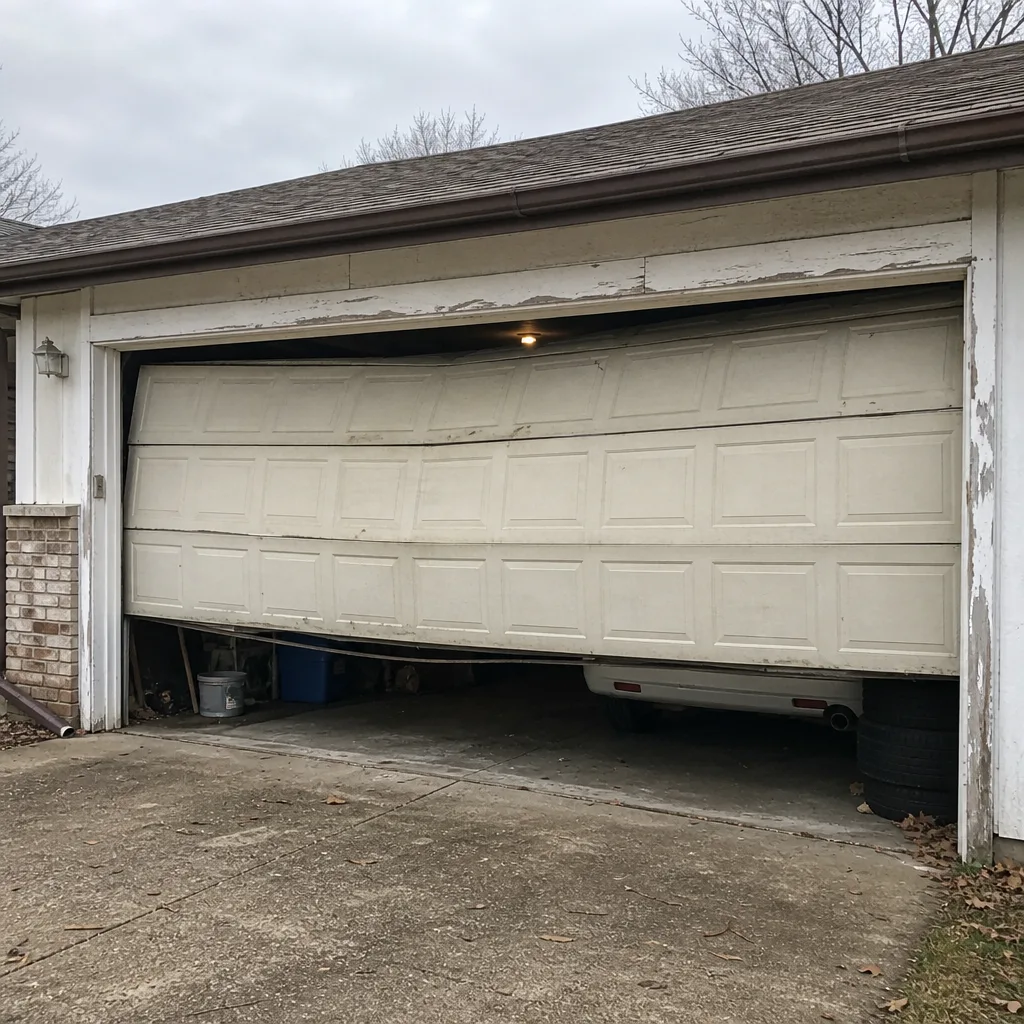 Before
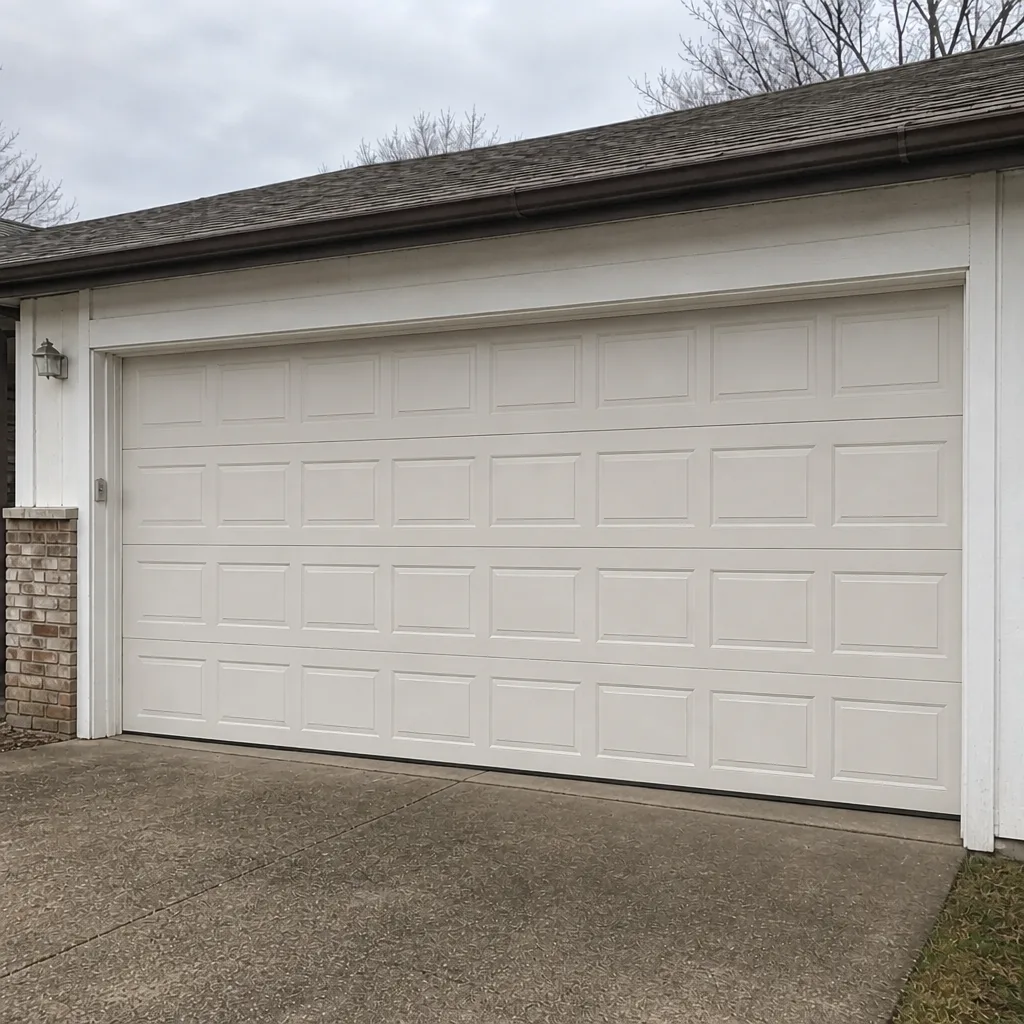 After
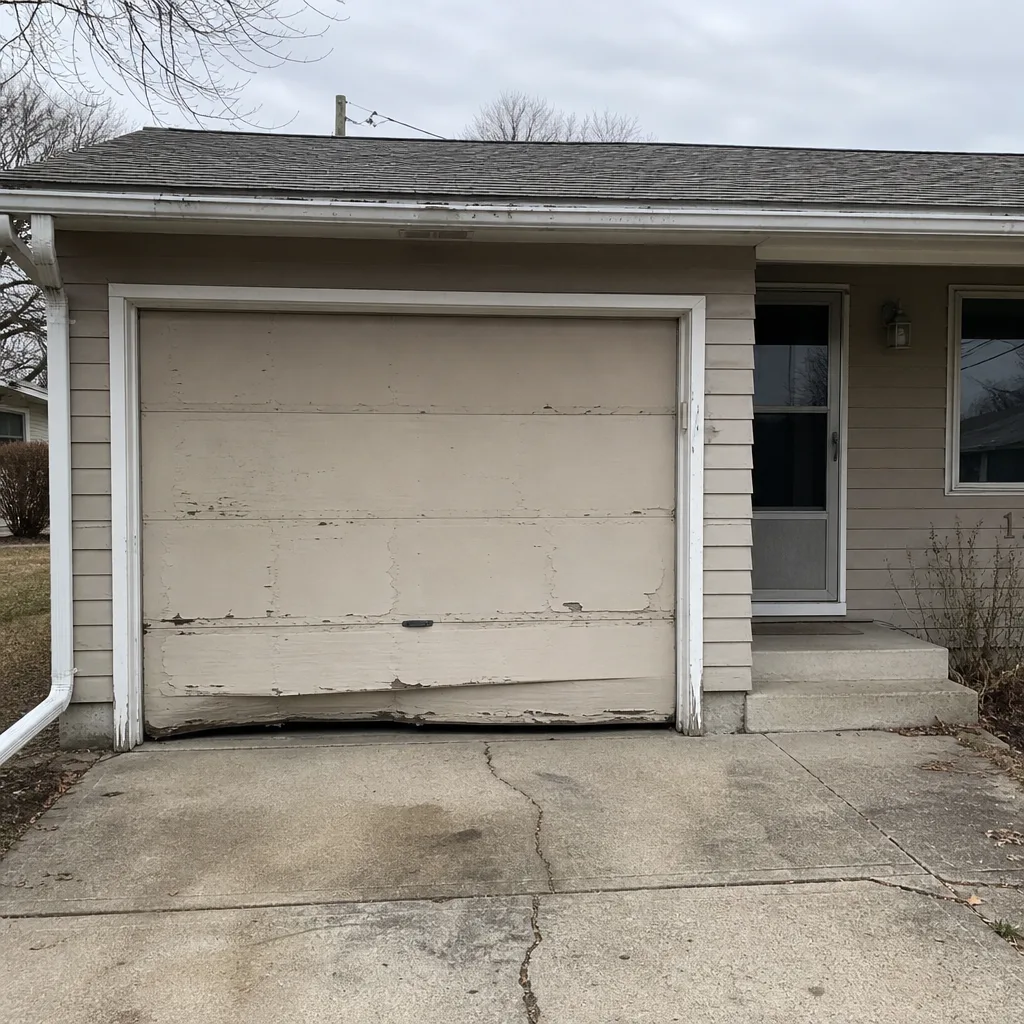 Before
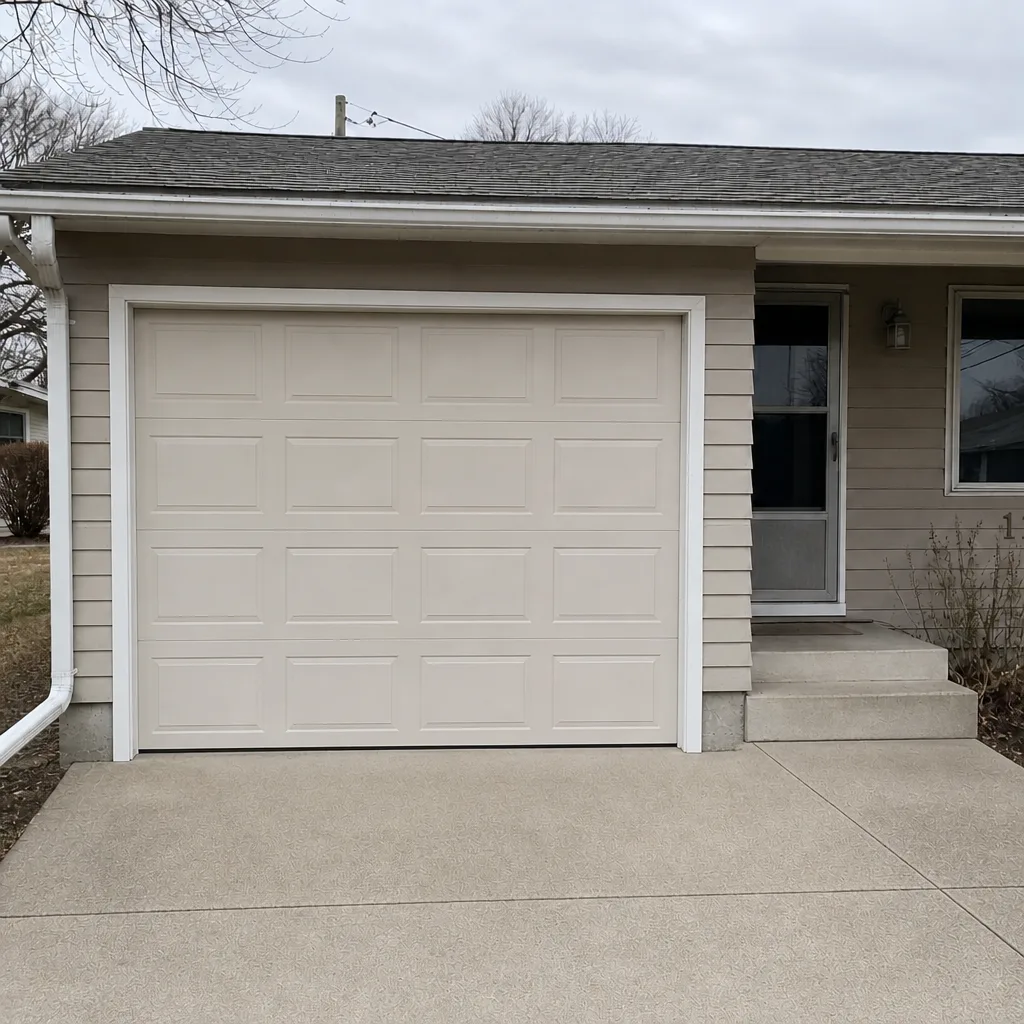 After
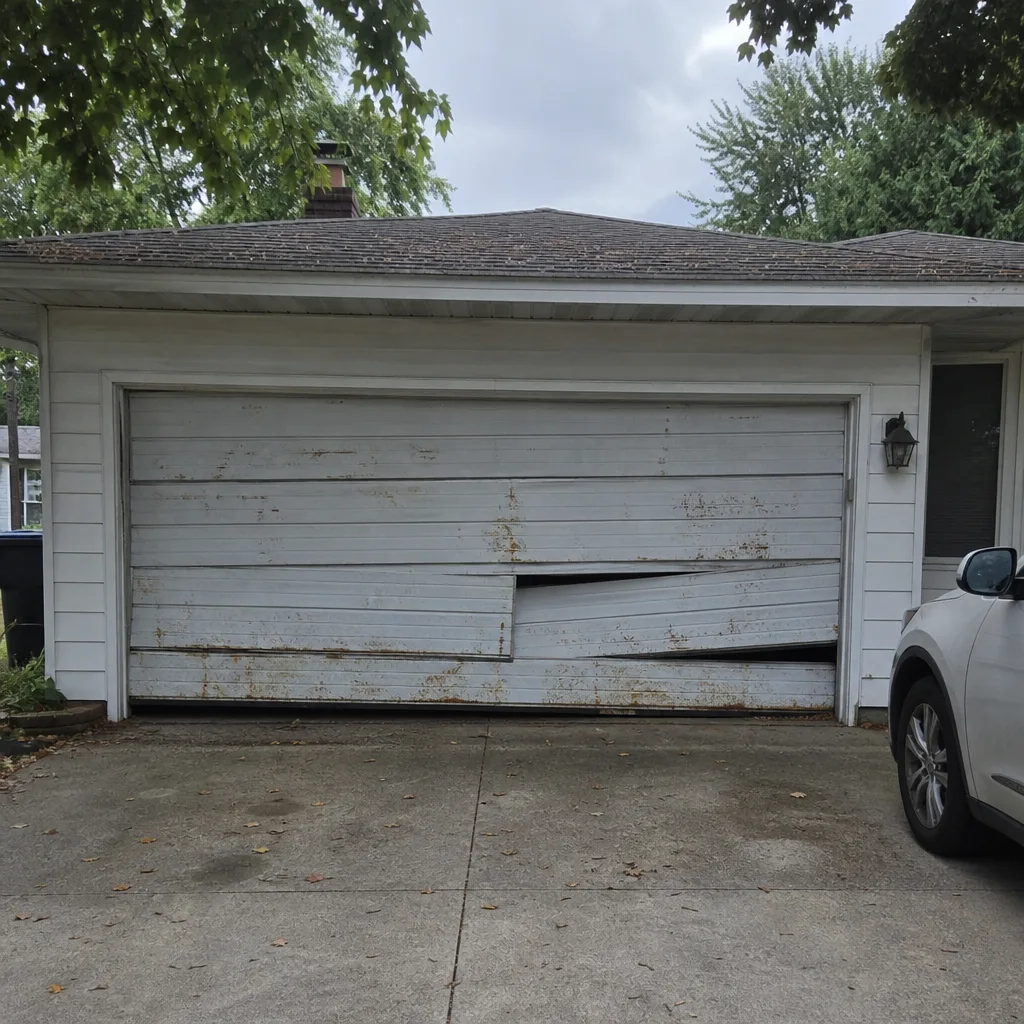 Before
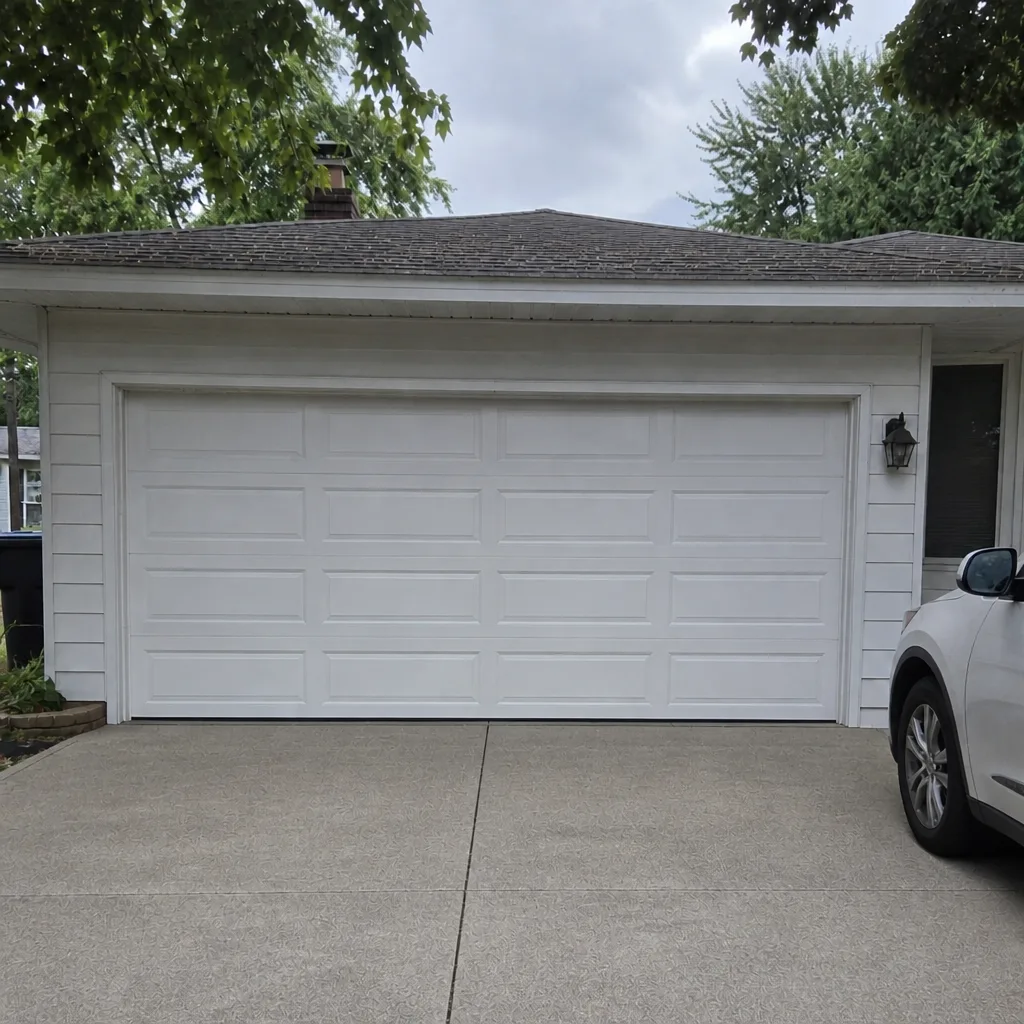 After
When to Call a Professional
Some situations are unambiguous. Call a professional immediately if:
- A torsion or extension spring has snapped, or you can see a visible gap in the coils.
- The door is off its track, hanging at an angle, or stuck open.
- You hear a cable pop or see a frayed, slack, or hanging cable.
- The door reverses for no clear reason, or you’ve had to raise the force limit to keep it closing.
- Your opener is making grinding noises, the trolley is jammed, or the door won’t respond to the remote or wall button.
- You’re planning a new door installation and need a proper measure and quote.
For all of these, our Burnsville Garage Door Repair Pros team can help – Burnville Garage Door Repair Pros offers free estimates in Burnsville, uses vetted local professionals who are licensed and insured as their state requires, and quotes the price before any work starts. Call (844) 443-4836.
For lower-stakes issues – a wear item, a tune-up, an intermittent opener that mostly works – call when it’s convenient, but do call. Small problems in Burnsville’s climate are more likely to grow than heal.
Frequently Asked Questions
No, we don’t recommend it under any circumstances. A torsion spring holds enough stored energy to cause serious injury, and the tools and knowledge required to release that energy safely aren’t standard homeowner equipment. Extension springs carry less energy but still present real injury risk, and a mismatched replacement wears out fast. Call (844) 443-4836 for a free estimate – our spring repair team handles these every day.
Most repairs in Burnsville fall into these typical ranges: spring replacement $180 – $340 for a single spring (a matched pair runs about twice that), cable replacement $150 – $280, sensor or opener diagnostic work $75 – $150, and panel replacement $250 – $600 per panel depending on door type. New door installation is measured and quoted per door. These are estimates only – the written quote we give you is the price, and we confirm it before any work begins. Call (844) 443-4836 for an exact quote.
Yes, for the right tasks. Lubrication, sensor alignment, track cleaning, weather seal replacement, and remote programming are all safe and sensible for most homeowners, and we’d rather you do them yourself than pay for a service call. The line is stored energy and line voltage: once a job involves springs, cables, or opener wiring, get a professional.
No. The price is quoted and agreed before any work starts, and the written quote is what you pay for the work described in it. If the technician finds something materially different from what we discussed on the phone – say, a bent track hidden behind the door – we’ll tell you, explain the options, and get your approval before proceeding. What we don’t do is bill you for work you didn’t agree to.
The local professionals we connect you with are licensed and insured as their state requires, and our technicians have up to 14 years of experience specifically in garage door work. We’re a garage-door-only service, not a general handyman operation, so every call is handled by someone who works on doors exclusively. Call (844) 443-4836 if you’d like to talk through what a visit looks like.
Absolutely, and that’s the split we’d suggest. Handle lubrication, inspection, sensor work, and seal replacement yourself – those are cheap, safe, and a good way to spot problems early. Call us for springs, cables, panel work, opener wiring, and full installation. If you’re not confident about which side of that line a specific issue falls on, call us and we’ll tell you straight. Free estimates, and the phone call costs nothing.
The Bottom Line
The DIY-versus-pro question for garage doors has a cleaner answer than it first seems. Lubrication, inspection, sensor alignment, weather seal replacement, and remote programming are genuinely homeowner-friendly jobs, and doing them yourself saves real money. Spring and cable work, panel replacement on a tensioned door, and any opener line voltage work are not, because the failure mode is injury, not inconvenience. Costs break down predictably once you count tools and mistake recovery: a $180 – $340 single-spring repair through a professional is often cheaper than the DIY path of buying the wrong spring, getting the tension wrong, and calling someone back to fix it. Prepare your garage before a visit, group small jobs, and evaluate any tutorial against the signs of a real technician before you trust it. When in doubt, call Burnsville Garage Door Repair Pros at (844) 443-4836 for a free estimate.
Get a Free Estimate in Burnsville
Whether you’re sorting out a broken spring, a door that won’t close, an opener that’s on its way out, or a full replacement, we’ll give you a free, written estimate and quote the price before any work starts. Our local professionals are licensed and insured as their state requires, our technicians have up to 14 years of experience, and we service Genie, LiftMaster, Chamberlain, Clopay, Amarr, Wayne Dalton, Craftsman, and Raynor products daily. One call covers the full range of work – repair, opener repair, spring repair, and new installation – so you’re never tracking down a second provider as your door situation changes. Call Burnsville Garage Door Repair Pros at (844) 443-4836 for your free estimate.
Written by the team at Burnsville Garage Door Repair Pros.