Last updated November 22, 2026
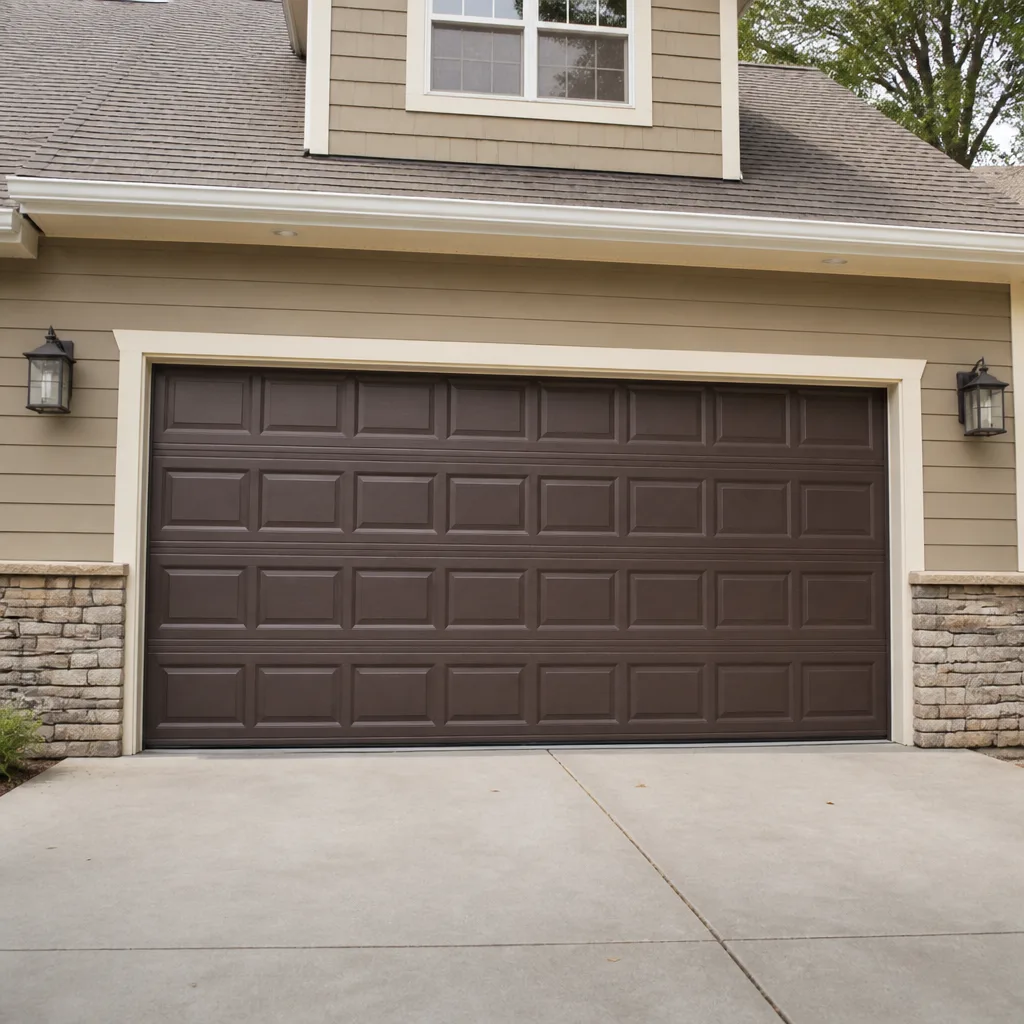 Raised-panel steel
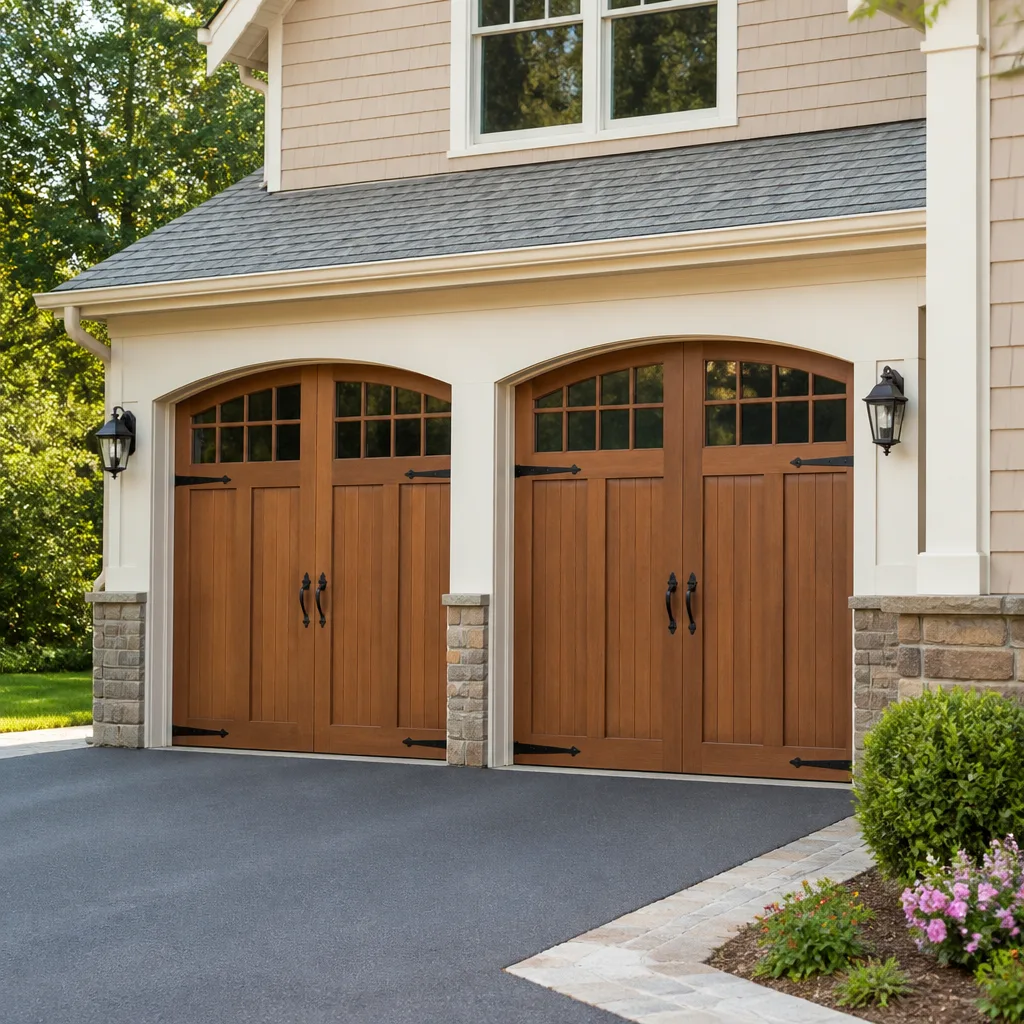 Carriage house
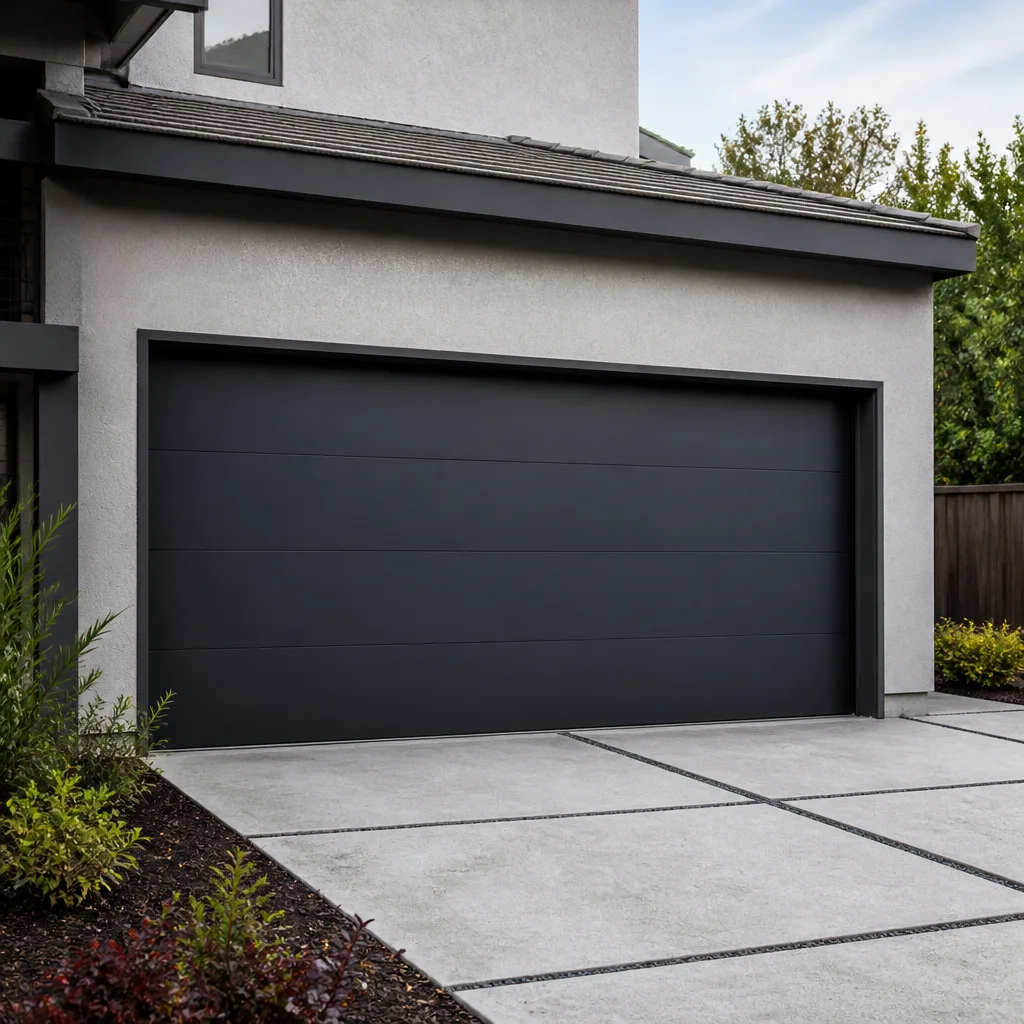 Modern flush
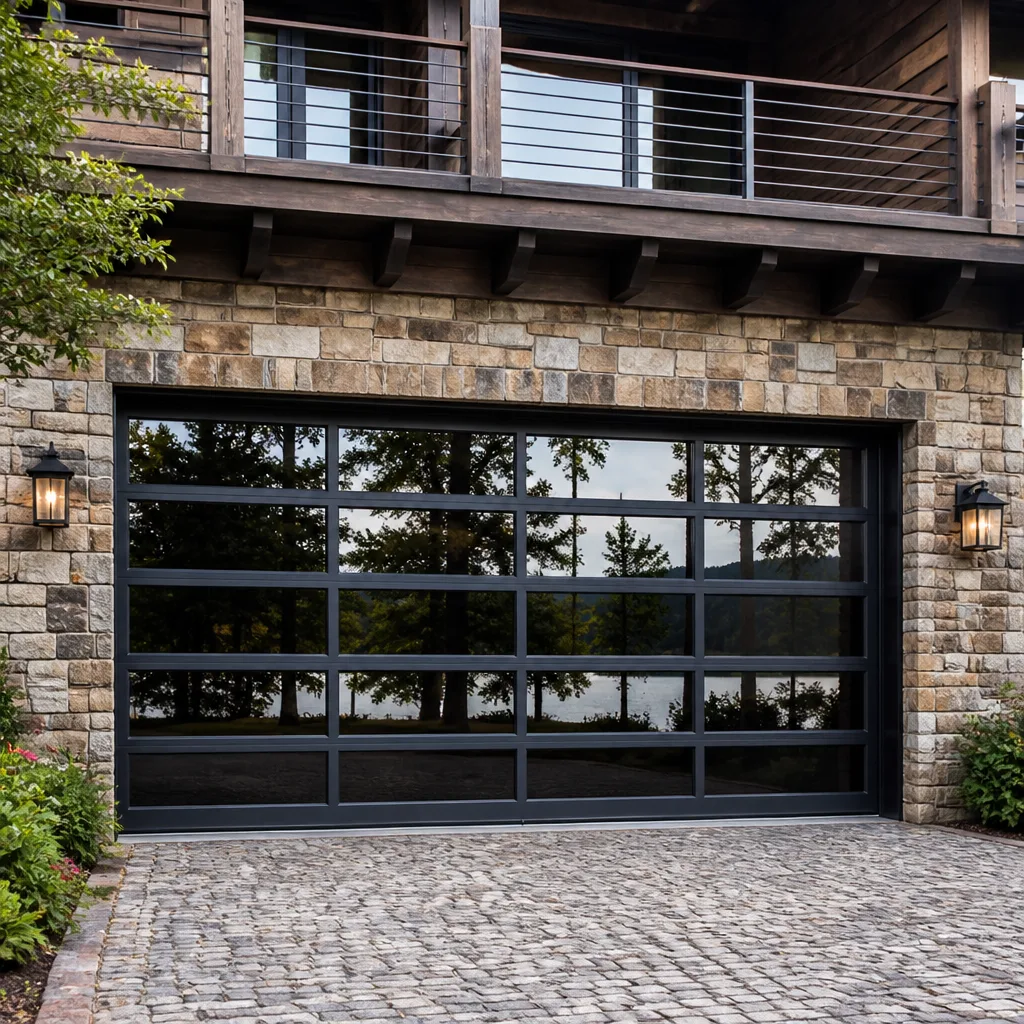 Full-view glass
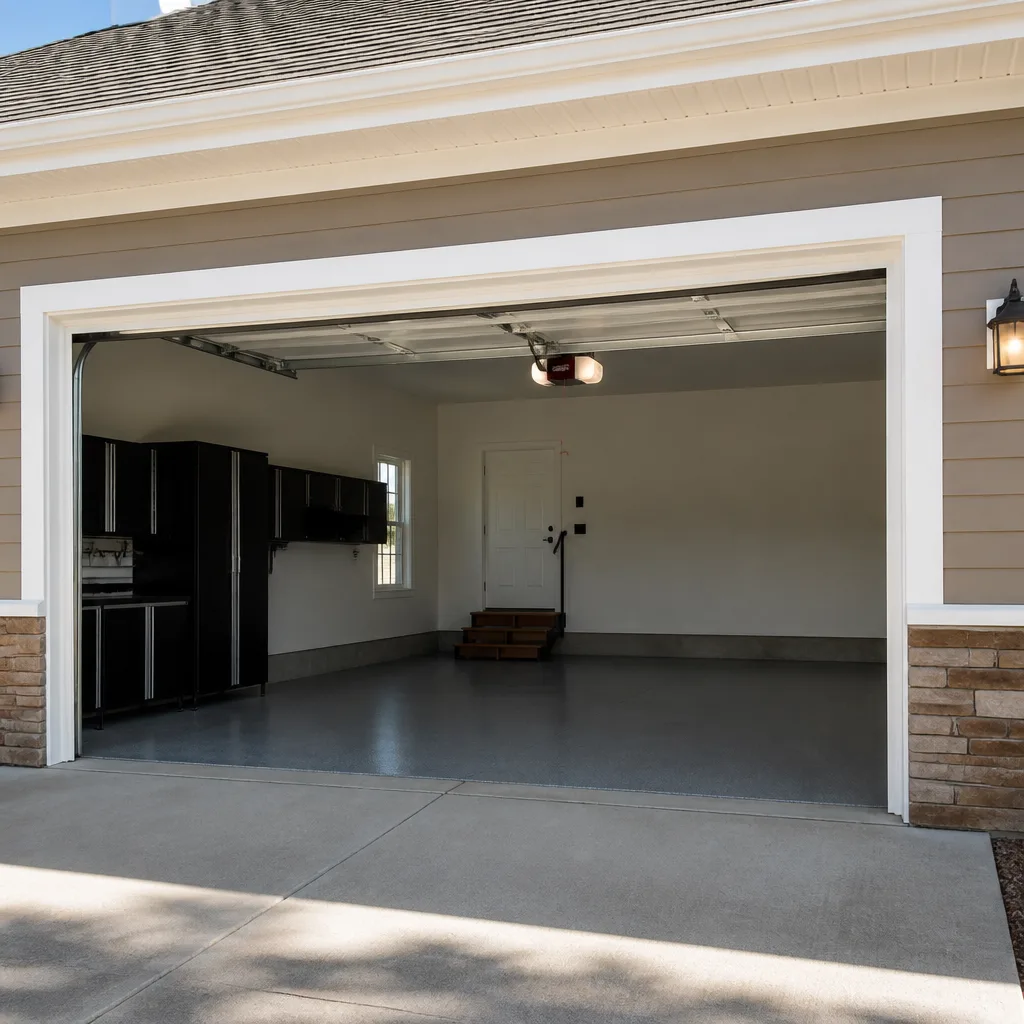 LiftMaster openers
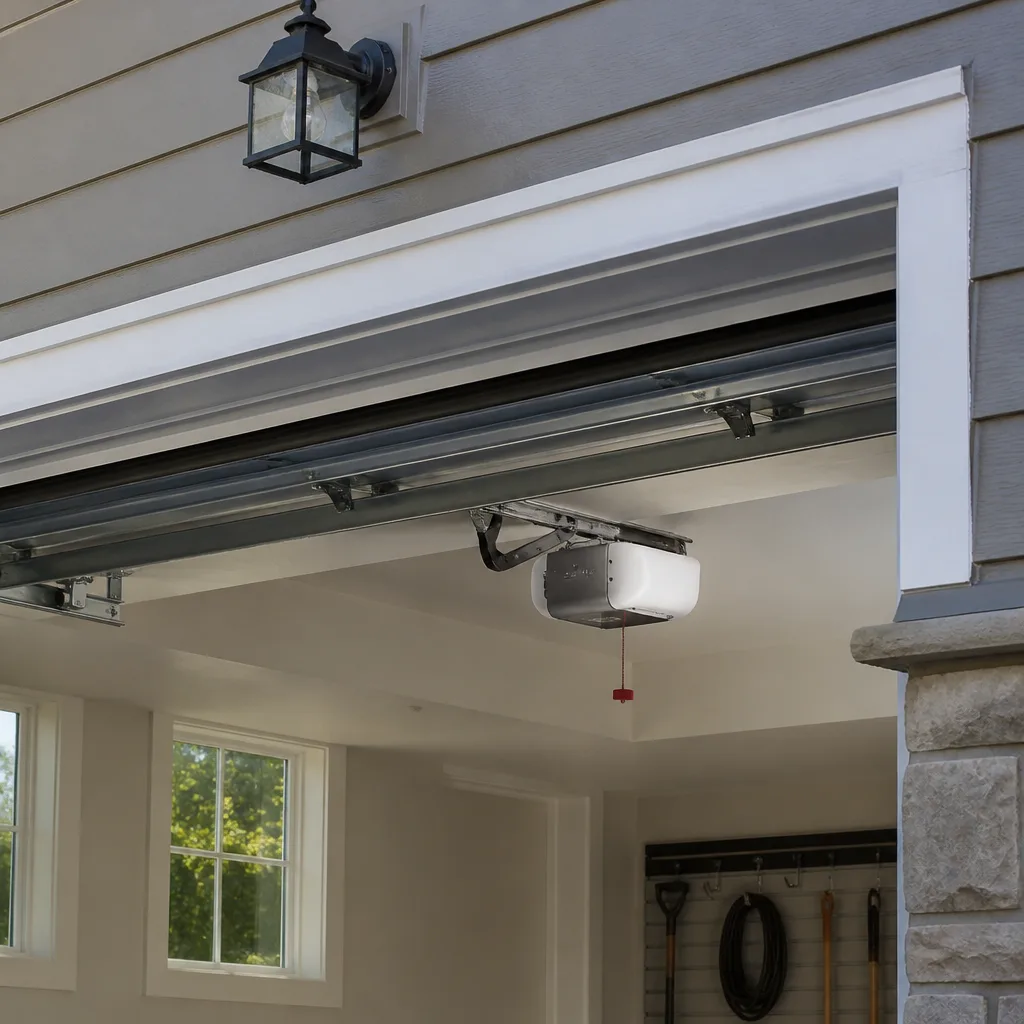 Chamberlain openers
Full 25-point door and opener safety check with every visit - springs, cables, rollers, tracks, and your LiftMaster or Chamberlain opener included
You get a price before we start. It does not change when the pro arrives.
Get your free estimateGarage Door Repair Maintenance Checklist for Burnsville Homeowners
The number-one reason a garage door fails in the middle of a Minnesota winter usually isn’t a skipped inspection. It’s one specific step done wrong: lubricating the torsion spring with the wrong product, or not touching it at all before the first hard freeze. Cold thickens the wrong lubricant into a sticky paste that holds grit against the coils, and a spring that should slide quietly starts binding every time the door moves. Everything else on a maintenance list is secondary to getting that one detail right. This guide gives you the diagnostic vocabulary to recognize what a failing component looks, sounds, and feels like, so you can tell the difference between a problem you can note and watch and one that needs a technician this week. We’ll walk through Burnsville’s real seasonal calendar, the right and wrong lubricants, the tests you can run safely without tools, and what a professional tune-up covers that you physically can’t replicate at home.
Quick Answer
A garage door maintenance checklist for Burnsville homeowners should cover eight recurring tasks: lubricating the torsion spring, hinges, rollers and tracks with the right product; inspecting cables and drums for fraying; testing the door’s balance by hand; checking the auto-reverse safety feature; testing the opener’s travel limits; tightening hinge and bracket bolts; clearing the tracks and photo-eye lenses; and listening for changes in how the door sounds. The single highest-value step before winter is lubricating the torsion spring correctly, because cold weather thickens the wrong lubricant and turns a quiet spring into a binding one.
Styles & brands we work with
- Raised-panel steel
- Carriage house
- Modern flush
- Full-view glass
- LiftMaster openers
- Chamberlain openers
Table of Contents
- Which Lubricants Go on Which Components (and the Two That Cause Damage)
- A Month-by-Month Maintenance Calendar for Burnsville’s Climate
- How to Test Balance, Travel Limits and Auto-Reverse Without Tools
- Red Flags That Mean “Call Within 30 Days” Versus “Call Now”
- What a Professional Tune-Up Checks That You Can’t
- How Burnsville’s Freeze-Thaw Cycle Affects Your Hardware
- Common Mistakes to Avoid
- Frequently Asked Questions
Which Lubricants Go on Which Components (and the Two That Cause Damage)
Not every garage door component wants the same lubricant, and two common household products do more harm than skipping lubrication entirely. The right approach is a small kit of purpose-made products, not a single can sprayed across every moving part.
Here’s what goes where:
- Torsion spring and extension springs: a dedicated garage door spring lubricant, typically a lithium- or silicone-based spray labeled for springs. Apply a light coat along the coils, wipe off excess, and repeat before the first hard freeze. This is the step most homeowners skip and the one that matters most in Burnsville winters.
- Hinges: a spray lubricant applied to the pivot points, not the hinge plates. Two or three short bursts per hinge is plenty.
- Rollers: a few drops of light machine oil or a silicone spray on the roller bearings. Nylon rollers usually need less than steel ones.
- Tracks: no lubricant at all. Tracks should stay dry and clean. Wipe them with a damp cloth and check for dents or debris.
- Opener chain or belt: follow the opener manufacturer’s instructions. If you run a LiftMaster or Chamberlain chain-drive unit, the chain typically wants a light application of the lubricant specified in the manual, not grease.
The two products that cause damage: WD-40 (the standard multi-use formula) and any heavy grease or motor oil. Standard WD-40 is a solvent, not a lasting lubricant. It strips what’s there and evaporates. Heavy grease attracts grit and, in cold weather, thickens into something closer to glue. Either one on a torsion spring in a Burnsville garage in January is a recipe for a binding spring. For garage door spring repair, call us rather than continuing to add product to a spring that’s already struggling.
A Month-by-Month Maintenance Calendar for Burnsville’s Climate
Generic “spring and fall” maintenance advice doesn’t match how Burnsville’s seasons actually behave. Here’s a calendar built around real Minnesota timing, not a generic checklist.
- March: The freeze-thaw cycle is at its peak. Check the bottom seal for cracking and the tracks for ice or grit buildup. Listen for new noises as the door moves – cold stiffens nearly every component.
- April: Lubricate hinges, rollers, and springs once the weather stabilizes. Test the auto-reverse and balance. This is your first full inspection of the year.
- May: Tighten hinge and bracket bolts. Check the photo-eye alignment after winter movement. Clear any debris from the tracks.
- June: Test travel limits – the door should fully close without the opener straining. Check the weather seal along the bottom for gaps.
- July: A quieter month. Do a visual once-over of cables and drums. No lubricant needed – too much in summer attracts dust.
- August: Inspect the opener’s mounting hardware and the door’s balance again. Heat can loosen what cold tightened.
- September: This is the big one. Lubricate the torsion spring before the first hard freeze. Check the bottom seal for cold-weather readiness. Tighten every bolt you can safely reach.
- October: Test the auto-reverse and balance one more time. Cold is arriving. Address anything that changed since September.
- November through February: Watch and listen. Don’t add lubricant in the cold – apply it in fall and let it work through winter. Check for ice at the door’s bottom edge after storms.
If the door has started making noise or struggling during any month, our garage door repair service is designed for exactly this – and it’s why we built emergency service into the business. A door that fails in February isn’t a May problem.
How to Test Balance, Travel Limits and Auto-Reverse Without Tools
All three of these safety tests can be run by hand, without tools, in under five minutes, and each produces a clear pass-or-fail result you can act on. They’re the most useful diagnostic checks a homeowner can do, and most people skip them because the process isn’t explained clearly.
Balance test: Disconnect the opener using the manual release cord. Lift the door by hand to about halfway. Let go gently. A balanced door stays put or drifts only slightly. A door that slams down, or one that shoots up, is out of balance – usually a sign of a spring under the wrong tension. Call a professional. Don’t adjust springs yourself.
Auto-reverse test (the “2×4 test”): Place a piece of wood flat on the ground under the door – a scrap of 2×4 works. Close the door with the opener. The door must reverse on contact with the wood. If it doesn’t, the opener’s safety setting is off and that’s a safety issue.
Photo-eye test: With the door open, wave your leg or a broom handle through the beam at the bottom of the tracks. The door should not close. If it does, the eyes are misaligned, dirty, or failing.
Travel limits test: With the door closed, watch it run through a full open and close cycle. It should stop flush with the ground when closing and stop fully clear of the header when opening. If it reverses before hitting the floor, or the opener runs longer than the door travels, the limits need adjustment.
Any test that fails tells you to stop using the opener until the issue is checked. If it’s a spring problem, that’s exactly the kind of work we handle – our garage door opener repair and spring repair work go hand in hand. We’ve seen how many of these problems start small in a Burnsville garage and become actual emergencies after the first cold snap.
Red Flags That Mean “Call Within 30 Days” Versus “Call Now”
The hardest part of maintenance is knowing when a small issue crosses into an urgent one. Here’s how to split the difference.
Call now (same day):
- A spring has visibly broken – you’ll see a gap in the coil and the door won’t lift or will feel extremely heavy.
- A cable has come off a drum or is visibly frayed and hanging loose.
- The door is crooked in the tracks or wobbles noticeably while moving.
- The opener runs but the door doesn’t move (broken spring or opener gear).
- You hear a loud bang from the garage – the classic sound of a torsion spring snapping.
Call within 30 days (schedule a service call):
- The door squeaks or groans, especially in cold weather.
- One of your tests – balance, auto-reverse, or travel limits – failed.
- Bolts or hinges are visibly loose and you’ve already tightened them once this season.
- The door pauses or seems to struggle during part of its cycle.
- The bottom seal is cracked or missing strips.
- Rollers or hinges look worn or rusty.
If you’re on the fence, think about which of these is happening in your Burnsville garage right now. Anything involving cables, drums, or springs is a same-day call – not because we’re eager to charge you, but because those components are under extreme tension and the failure mode is dangerous. Request emergency service when it’s necessary. Your garage door failing on a Saturday isn’t impossible either – we’re closed Saturday and open Sunday through Friday, 7am to 7pm, so call us and we’ll book you in for Sunday.
What a Professional Tune-Up Checks That You Can’t
A professional garage door tune-up is less about “checking” what you’ve already checked and more about testing things you physically can’t test safely at home. Understanding what’s covered helps you know what you’re paying for – and when a cheap tune-up is actually a courtesy walkthrough that misses the important parts.
Here’s what a real tune-up involves:
- Torsion and extension spring tension verification – requires gauging tools and the experience to know the correct tension for your door weight. Never something a homeowner should attempt – the spring is under enough tension to cause serious injury if released incorrectly.
- Cable and drum inspection – cables are under the same tension as the spring and cannot be safely inspected by hand. A technician checks for fraying, drum seating, and cable routing with the door in multiple positions.
- Opener force and limit recalibration – the safety settings need to be adjusted with a force gauge to the manufacturer’s spec. A LiftMaster or Chamberlain opener set too high is a hazard; set too low and the door reverses in the middle of travel.
- Roller and hinge replacement – worn nylon rollers or bent hinges often need replacement that only becomes obvious once you’ve inspected them with the right tools.
- Track alignment – a track that’s out of plumb by a fraction of an inch causes the door to bind, and correcting it usually requires loosening and shimming the brackets.
- Weather seal replacement – the bottom seal and side seals need to be replaced as a unit for a proper cold-weather seal. Most homeowners only replace the bottom strip and miss the sides.
- Complete lubrication with correct products – not just “spray something.” A technician applies the correct product to each component based on the door’s age, climate exposure, and parts.
That’s a lot of work – and it’s the kind of work that makes the difference between a tune-up and a courtesy check. When a professional has to order matching parts, they do it right. For a Clopay door with a specific hinge set, guesswork won’t do. That’s why working with a specialist matters. If you want to understand what a professional tune-up actually delivers, this is the standard we hold ourselves to.
How Burnsville’s Freeze-Thaw Cycle Affects Your Hardware
Burnsville’s winters aren’t just cold – they cycle. A stretch of subzero days gives way to a thaw, then freezes hard again, over and over from November through March. That cycle puts specific stress on garage door components that warmer climates never see.
The tracks are the most obvious victim. Water tracks in on tires, sits in the bottom of the track, and refreezes. That ice can catch a roller and bend it or shove the door out of alignment. Keep the tracks clean and dry, and clear any snow or ice that builds at the doorway after a storm.
The bottom seal takes a beating too. It cracks at the corners first, then splits along its length. A seal that’s failing lets cold air and moisture in – and in summer, lets bugs and mice in. Replace it before it fails entirely, not after.
Springs are the component most affected by the freeze-thaw cycle. Lubricant that isn’t cold-rated becomes thick and sticky in cold, making each cycle an act of friction. That’s why September is your key month – applying a proper spring lubricant before the first hard freeze keeps the spring moving smoothly when it matters most.
Opener hardware gets a workout too. Bolts loosen from repeated expansion and contraction, and the opener motor works harder in cold. If you live in a Burnsville neighborhood like Heart of the City, Nicollet Ridge or The Links, you already know how much the door runs in wintertime. Watching for what’s changed since fall is the single best thing you can do.
Common Mistakes to Avoid
- Using WD-40 as spring lubricant. It’s a solvent, not a lasting lubricant, and it does nothing to protect against a Burnsville freeze. It also strips any existing proper lubricant you applied. Use a product labeled for garage door springs instead.
- Lubricating the tracks. Tracks should be dry and clean. Add lubricant and you attract grit that wears rollers and makes the door run rougher, not smoother.
- Trying to adjust the torsion spring yourself. This is the most dangerous part of the trade. Springs are under extreme tension, and a slip can cause serious injury. If your balance test fails or your spring is broken, call a professional – not a YouTube tutorial.
- Skipping the September spring lubrication because it “looked fine.” Springs don’t show their condition visually – they show it through sound and behavior. The best time to lubricate is before the freeze, not after.
- Overtightening bolts. Snug is the goal, not torqued-down hard. Over-tightening hinge and bracket bolts causes the metal to crack after repeated freeze-thaw cycles.
- Ignoring a noisy door because “it’s always been that way.” A door that squeaked last winter and squeaks louder this winter is telling you something changed. Cold makes small issues into urgent ones in a Burnsville garage.
- Calling a general handyman for a spring issue. Garage doors are all we do. Generalists don’t carry the parts or have the training for a high-tension spring job. When the door needs real work, call a specialist.
See the difference
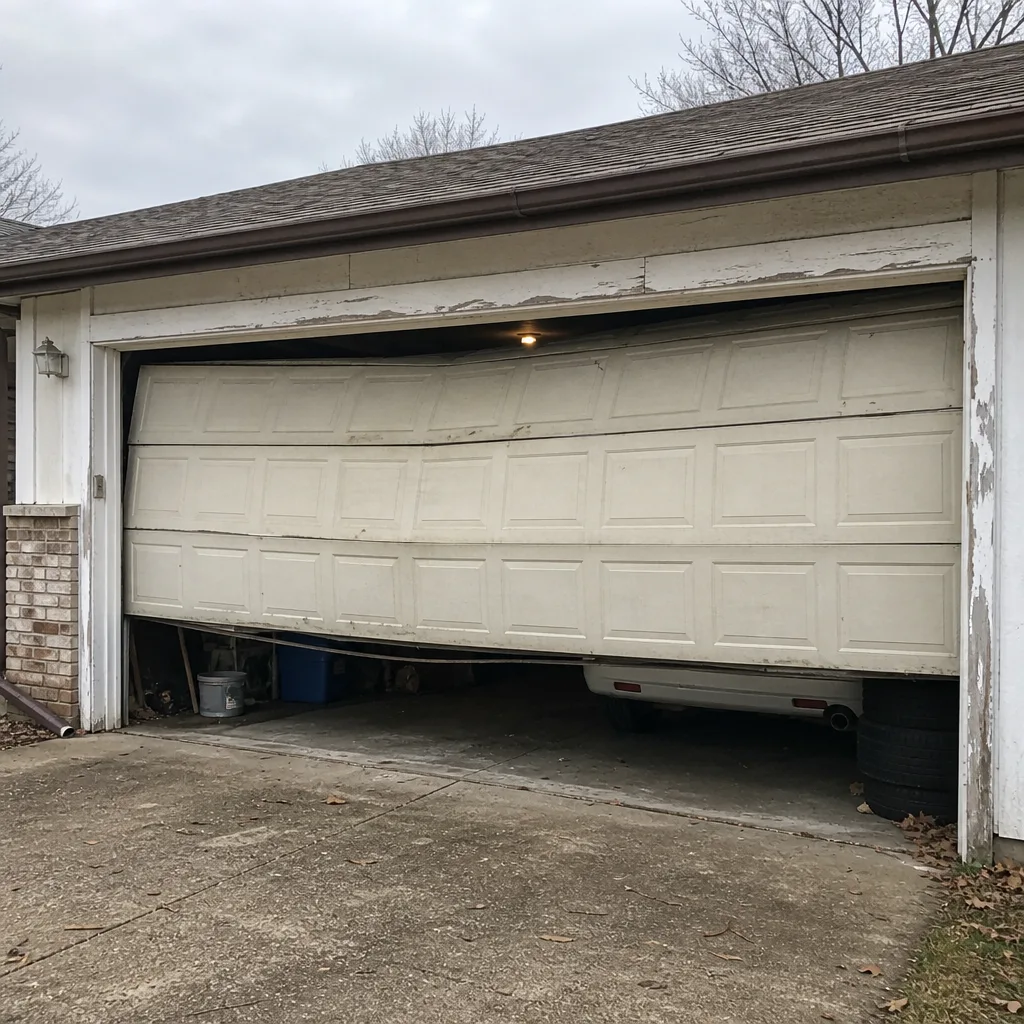 Before
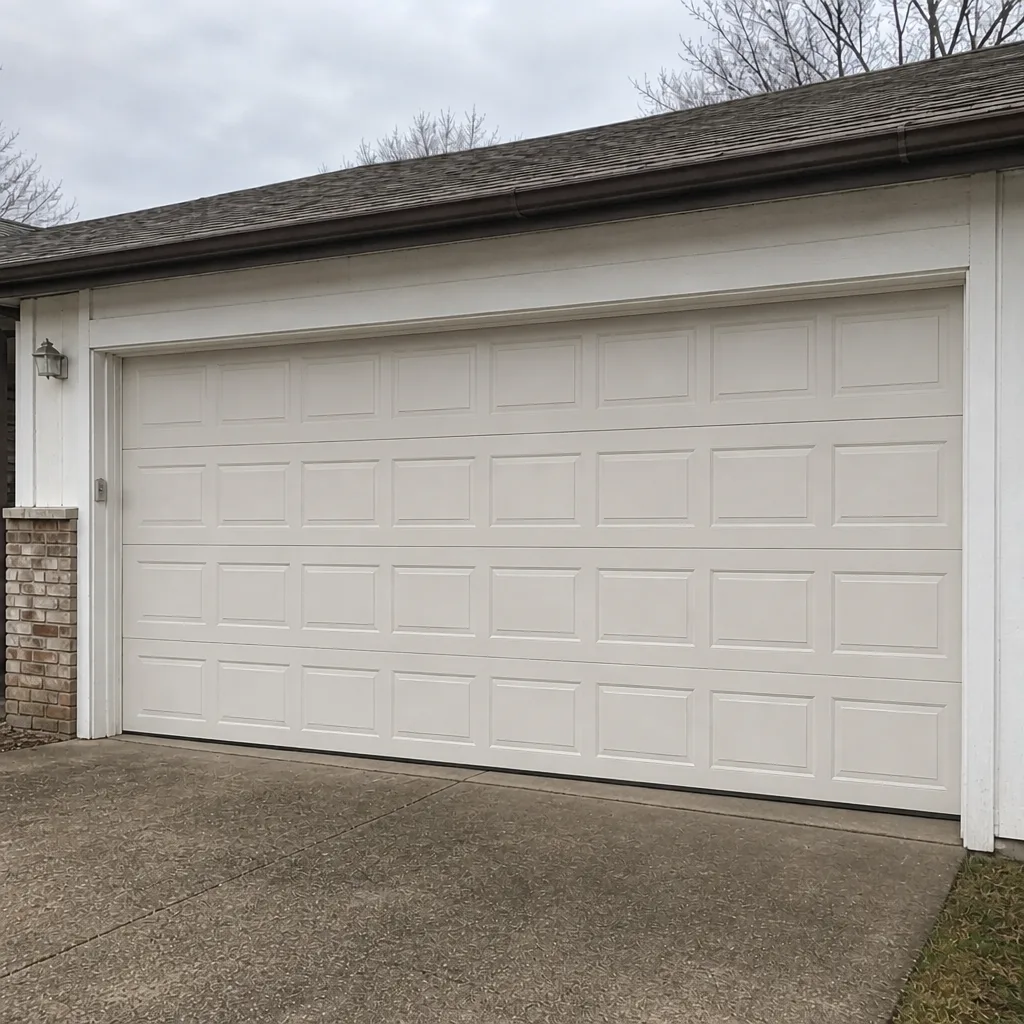 After
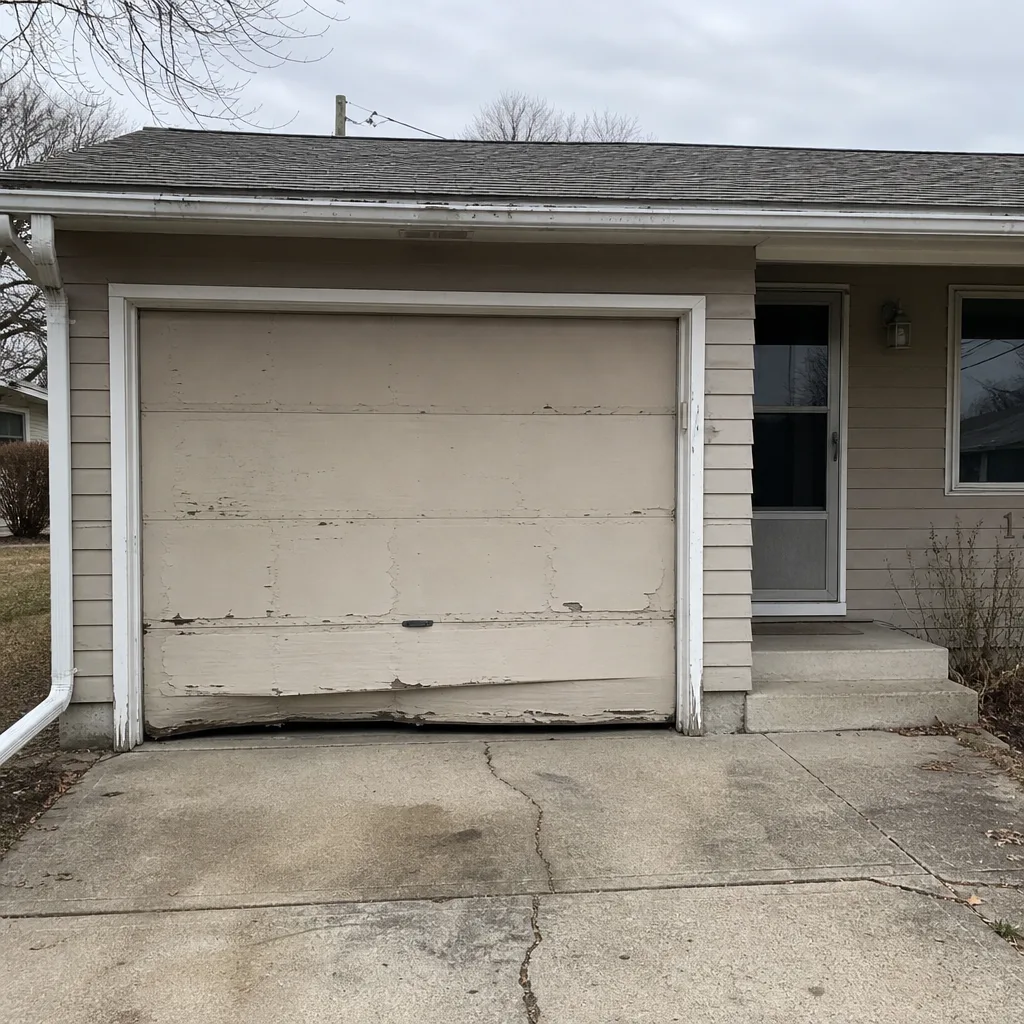 Before
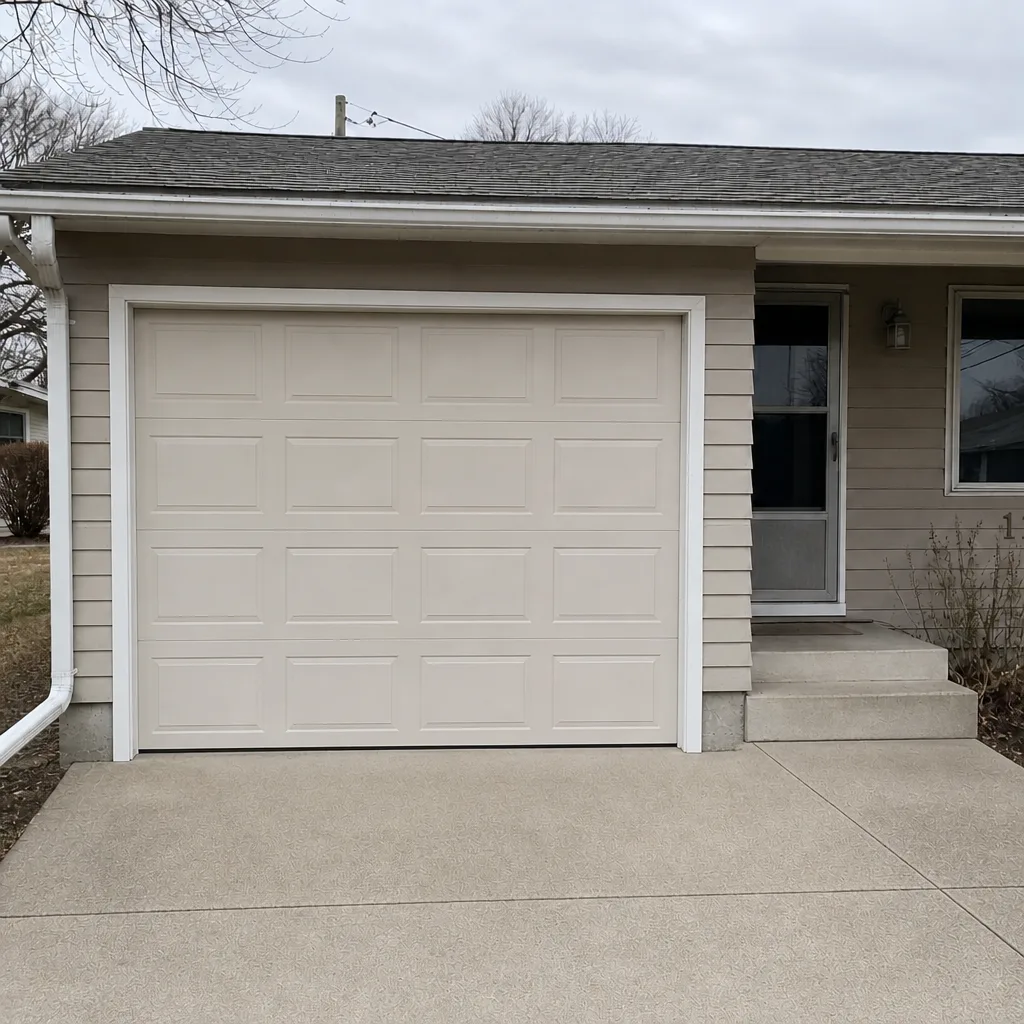 After
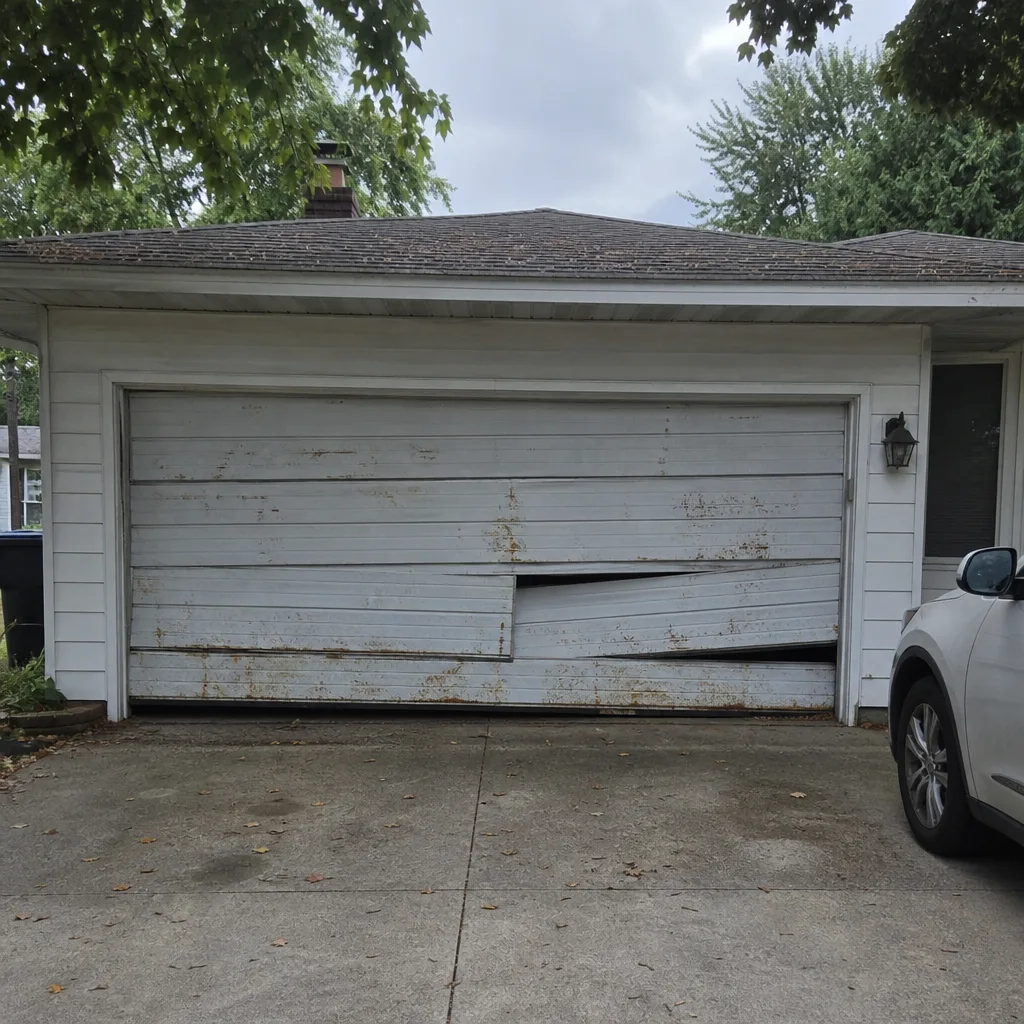 Before
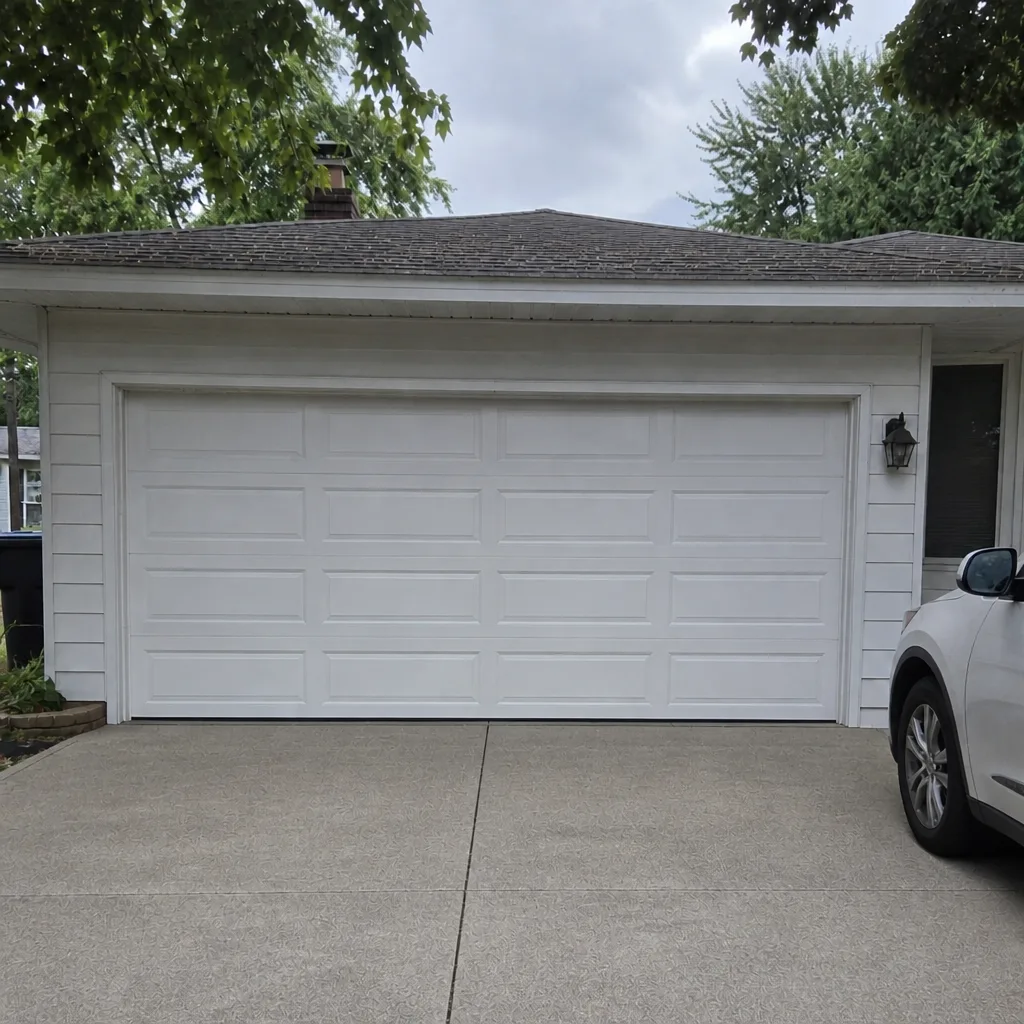 After
When to Call a Professional
Call a professional the moment you find a broken spring, a loose or frayed cable, a door that’s crooked in the tracks, or any test failure where the door is unsafe to run. Don’t wait for the next freeze. Those are safety items. If the door still works but the noise has changed, a hinge is loose, or your auto-reverse failed, those can be scheduled – but they should be scheduled, not ignored.
Burnsville Garage Door Repair Pros offers free estimates in Burnsville. We work on every major brand – LiftMaster, Chamberlain, Genie, Clopay, Amarr, Wayne Dalton, Craftsman, Raynor – and knowing those systems inside and out means we diagnose faster. Our technicians have up to 14 years of experience, and garage doors are all we do. Call (844) 443-4836 for an estimate.
Frequently Asked Questions
Twice a year is the usual baseline, with the September application being the most important because it prepares the door for its heaviest cold-weather load. Skip any more than that – over-lubrication attracts grit. If you’re not sure what to use, call (844) 443-4836 and we’ll tell you exactly what’s right for your door.
We don’t recommend it, and this isn’t a caution we offer lightly. Torsion and extension springs are under enough tension to cause serious injury if they release unexpectedly. That’s why spring repair is a standalone service we treat with particular care. Call us for garage door spring repair rather than attempting the work yourself.
A spray labeled specifically for garage door springs – usually lithium- or silicone-based. Never use standard WD-40 (the multi-use formula) or heavy grease. Both cause more damage in a cold climate than not lubricating at all. We can tell you exact products for your specific door when we see it.
A screech usually means dry hinges or rollers, and it’s often not urgent. A scrape or metal-on-metal grinding is different – that can mean the door is out of the tracks or a cable is loose. If you hear grinding, stop using the opener and call us. If it’s just a squeak, schedule a tune-up soon.
Yes – the balance test, the auto-reverse test, and the photo-eye test are all doable by hand with nothing more than a piece of wood and a broom handle. Travel limits test is also doable. What you shouldn’t do is adjust anything after a test fails. That’s a professional’s call.
We’re closed Saturday and open Sunday through Friday, 7am to 7pm. If your door fails on a Saturday, call (844) 443-4836 and we’ll book you in for Sunday – a broken door that leaves your garage open or your car trapped shouldn’t wait for the next business day.
Dry or binding torsion springs in the cold months, worn bottom seals, and misaligned photo-eyes after winter movement. Those three account for most of what we find on a routine tune-up. If you recognize any of these warnings on your door, it’s worth a call.
The Bottom Line
Maintenance isn’t a checklist to tick off and forget. It’s a conversation with your door – you learn its sounds, feel its movements, and notice when something’s off. In Burnsville, the single most important step is correctly lubricating the torsion spring before the first hard freeze. The second most important is running the balance, auto-reverse and photo-eye tests so you know what you’re dealing with. If you find a spring problem, a bent track, or any safety test failure, don’t push through winter. That’s the difference between a tune-up and an emergency call. And when something needs a pro, a specialist makes all the difference – the same product knowledge that helps our technicians diagnose faster, the same service that keeps your door running safely through a Minnesota February. We handle repairs, spring work, opener repair, and new installs under one roof. Call us when it’s time.
Ready for a free estimate? Call (844) 443-4836. We’re open Sunday through Friday, 7am to 7pm, and closed Saturday. We work on every major brand, and our Burnsville Garage Door Repair Pros team is here when your door needs attention.
Written by the team at Burnsville Garage Door Repair Pros.