Last updated November 22, 2026
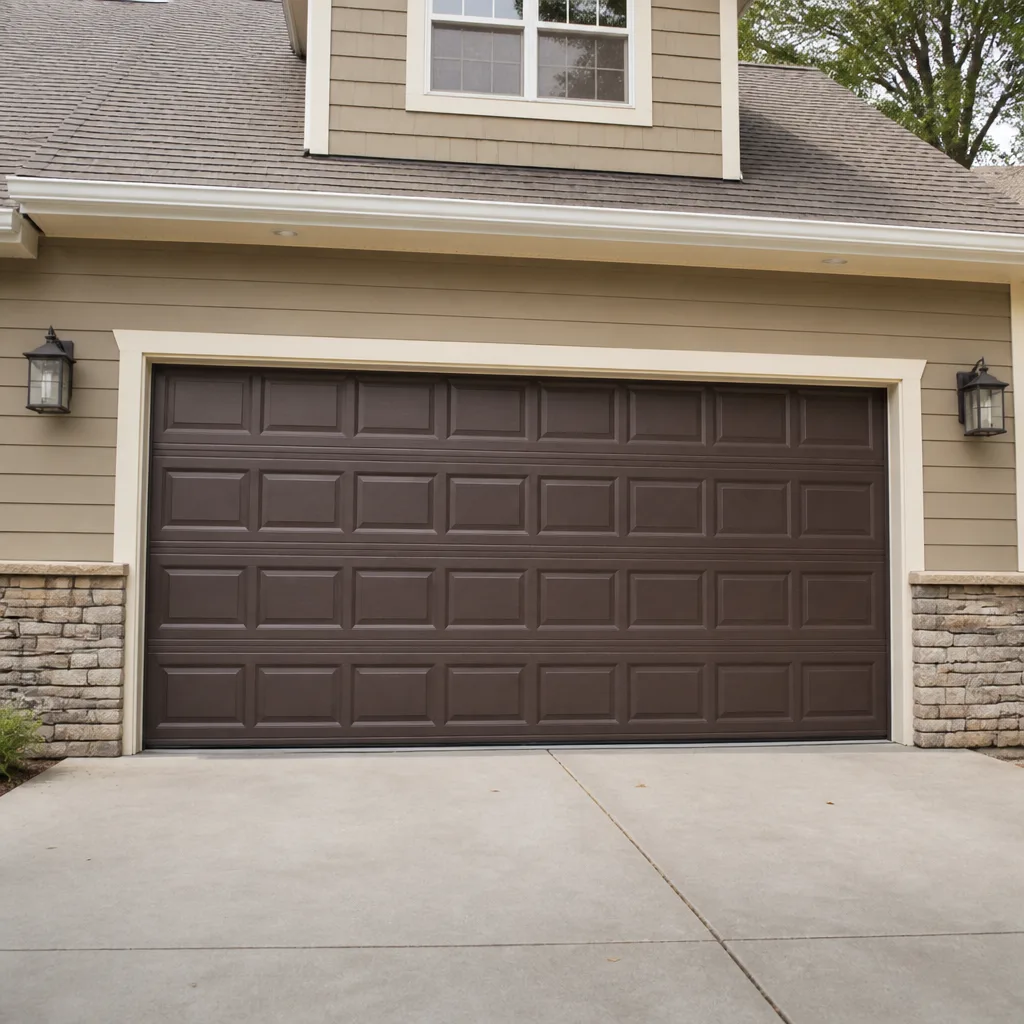 Raised-panel steel
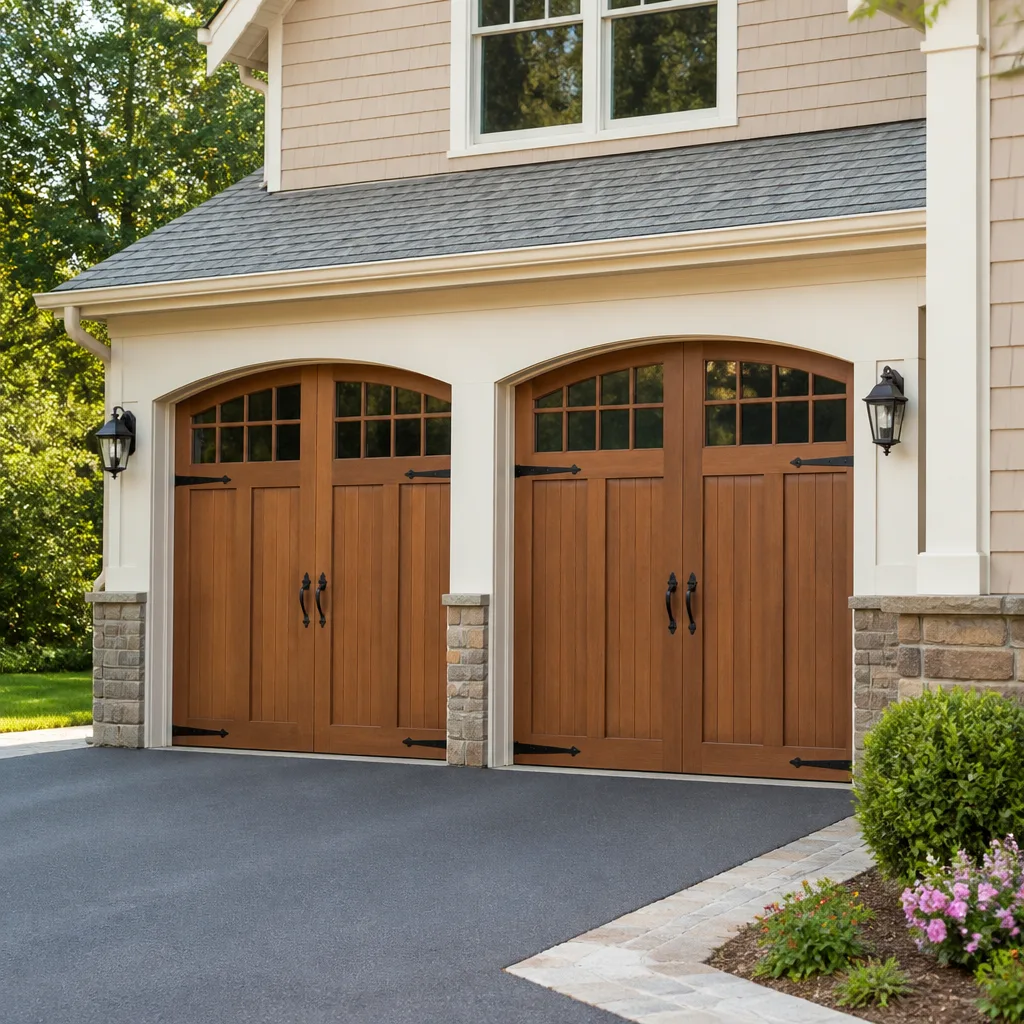 Carriage house
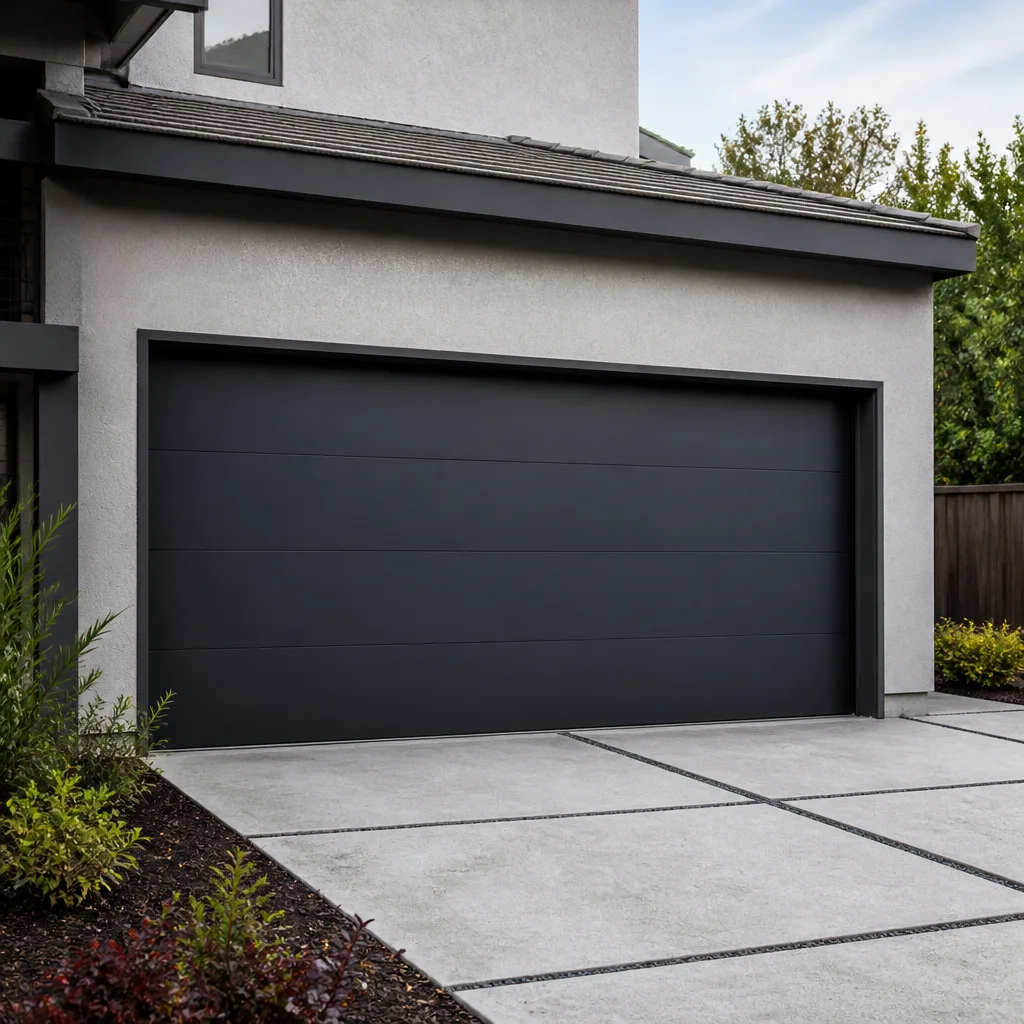 Modern flush
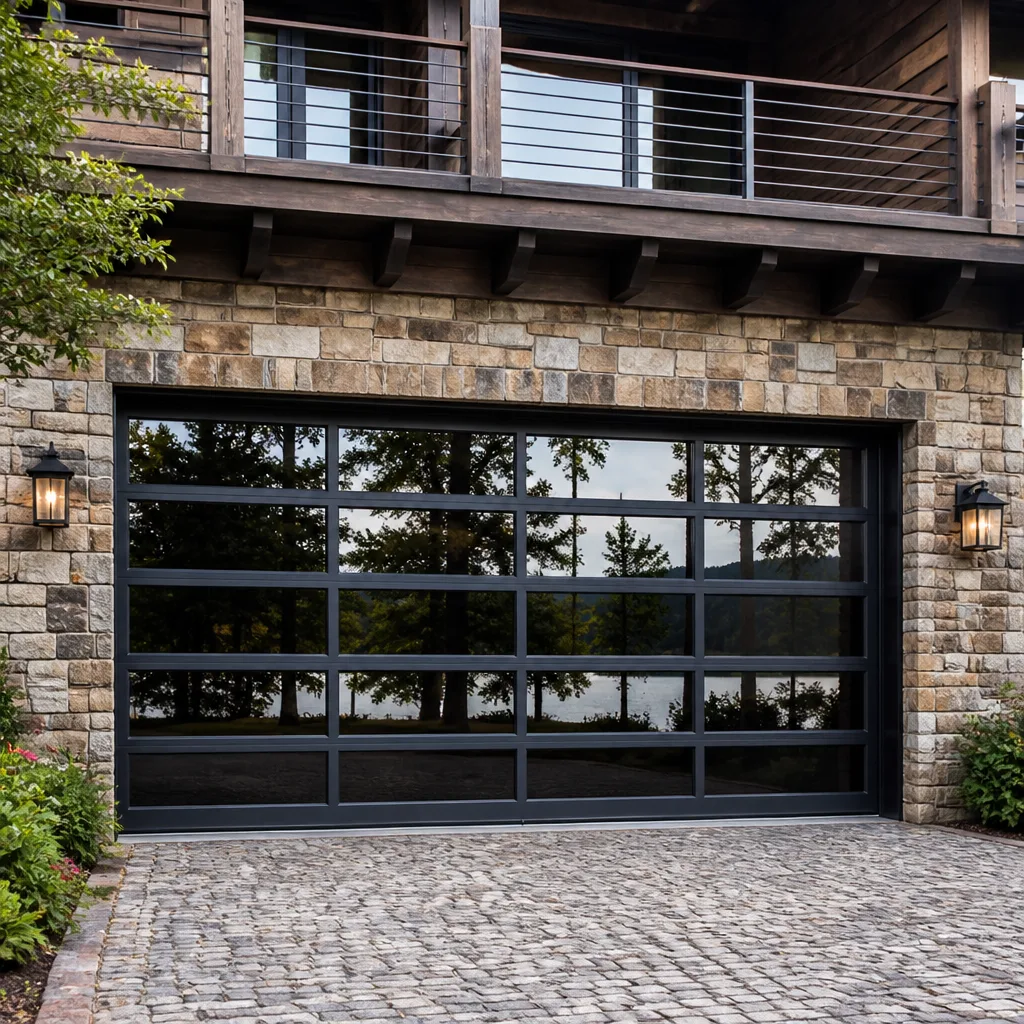 Full-view glass
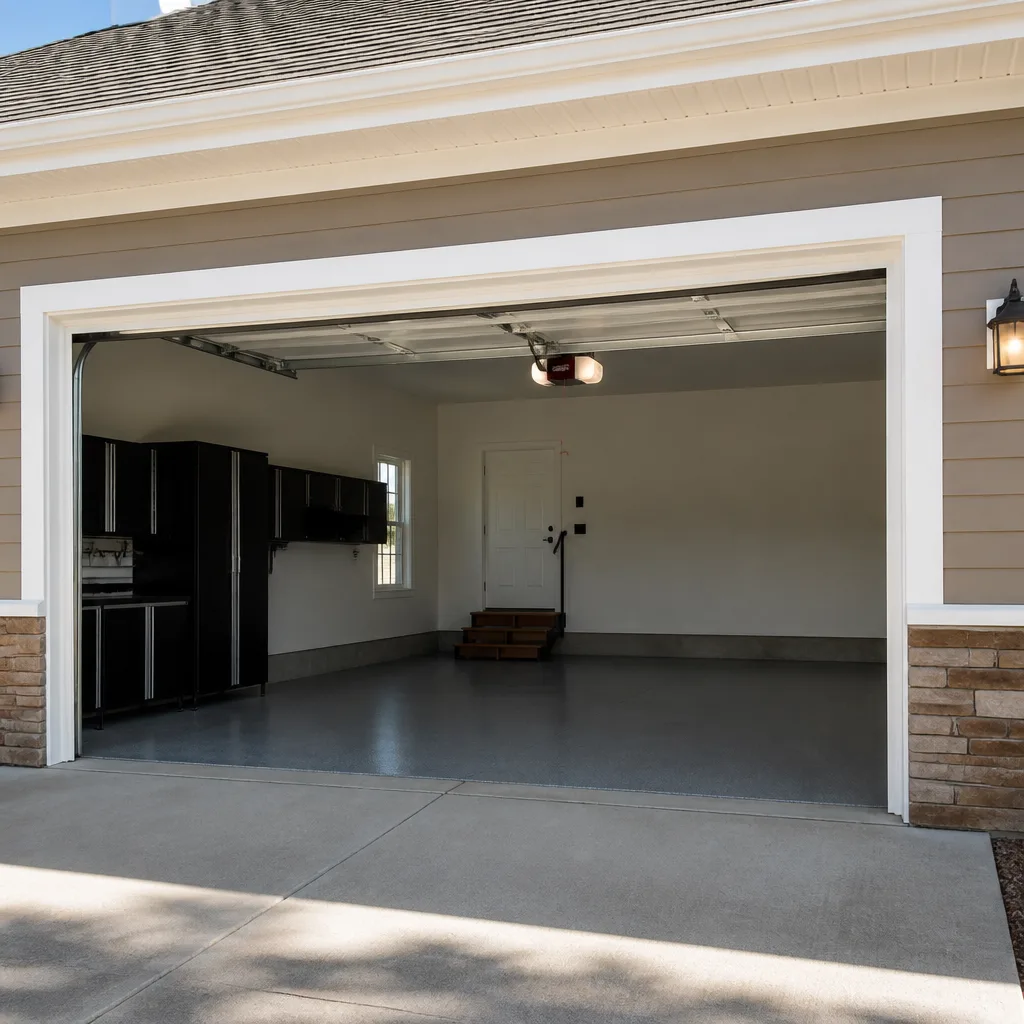 LiftMaster openers
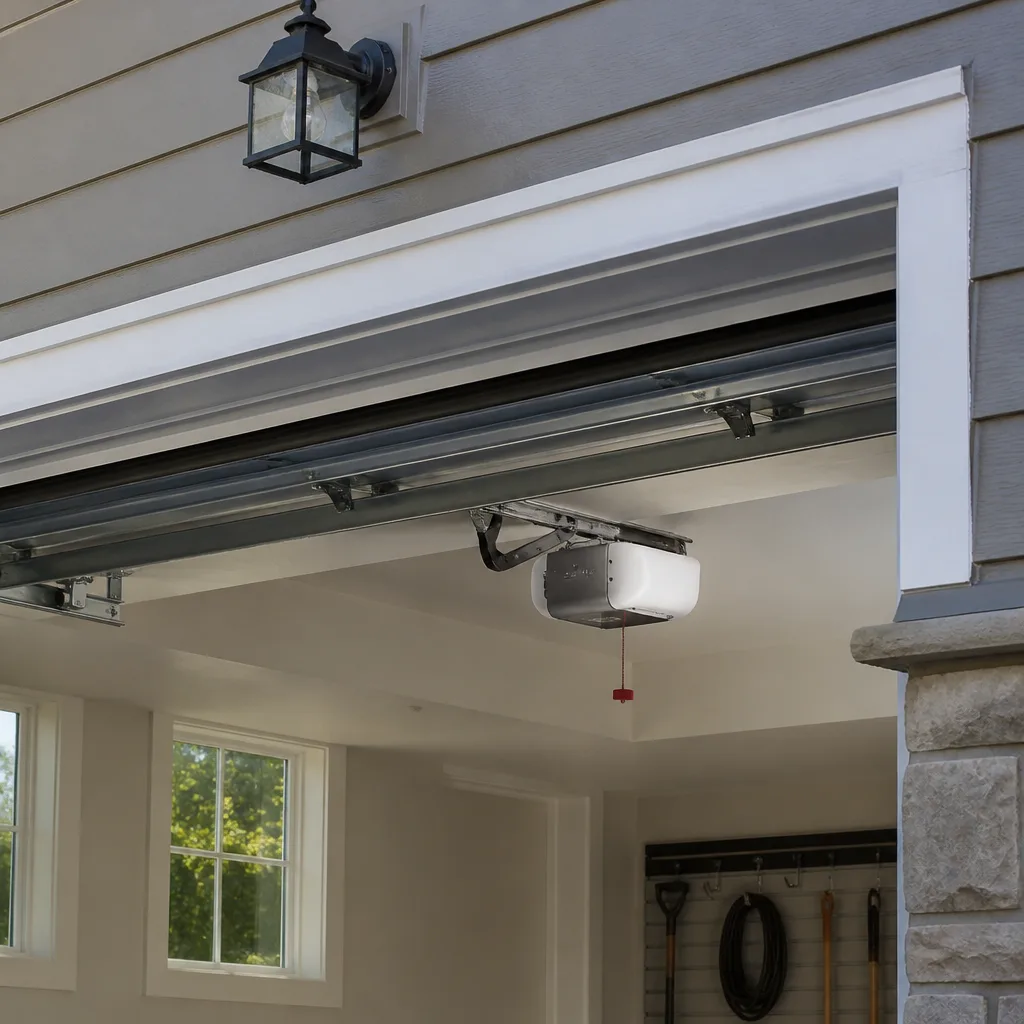 Chamberlain openers
Full 25-point door and opener safety check with every visit - springs, cables, rollers, tracks, and your LiftMaster or Chamberlain opener included
You get a price before we start. It does not change when the pro arrives.
Get your free estimateSeasonal Garage Door Care for Burnsville: Year-Round Homeowner’s Guide
Most homeowners assume deep winter is the hardest month on a garage door. In our experience across Burnsville, late March does more damage. The repeated freeze-thaw cycle of early spring works metal and seals in a way that static January cold doesn’t, and doors that cruised through the coldest stretch start failing once the thaw sets in. Burnsville sits in a climate with four distinct phases, and each one attacks a different part of your door. This guide maps which components take the hit in each season, what to check before the damage compounds, and which products actually belong on which part of the door.
Quick Answer
The best seasonal care for a Burnsville garage door is a four-phase routine: check seals and weatherstripping before winter, inspect springs and balance right after the spring thaw, look at opener electronics before summer heat peaks, and clean and lubricate moving parts in fall. Matching the inspection to the season that causes the wear prevents more failures than a single annual tune-up, because each Burnsville season stresses different components.
Styles & brands we work with
- Raised-panel steel
- Carriage house
- Modern flush
- Full-view glass
- LiftMaster openers
- Chamberlain openers
Table of Contents
- Why Seasonal Care Beats a Yearly Tune-Up
- The Spring Thaw Inspection Sequence
- How Summer Heat Affects Your Opener
- Fall Weatherstripping and Bottom Seal Protocol
- Winter Care and the Frozen-Floor Problem
- Which Products Belong in Which Season
- Brand-Specific Seasonal Notes
- Common Mistakes to Avoid
Why Seasonal Care Beats a Yearly Tune-Up
A single annual service visit is better than nothing, but it’s a blunt tool. Burnsville’s weather doesn’t apply stress evenly. A tune-up in, say, June catches a door at a mild moment and misses the two phases that do the most damage. Seasonal care is a targeted approach: you inspect each component right before or right after the season that actually stresses it.
Here’s the reasoning. Metal springs and cables respond to temperature swings. Seals and weatherstripping respond to moisture and freeze cycles. Opener electronics respond to heat. Each of those lives on a different clock, and each tends to fail in a different month. If you inspect only once, you’re checking one component at the right time and the others at the wrong time.
When we look at a failed spring or a door that won’t close in Burnsville, the failure usually traces back to a stress phase that went unexamined. A spring that survived the cold can snap in the thaw. An opener that ran cool all spring can stall in July heat. A bottom seal that looked fine in October can freeze to the floor in January.
Seasonal care also costs less over the long run. Catching a worn seal or a dry hinge in the right month is a small fix. Catching it after it has caused a spring to work harder or a panel to misalign is a bigger job. This is the core of what our Burnsville Garage Door Repair Pros team looks at on every visit.
The Spring Thaw Inspection Sequence
Early spring is the highest-risk window for springs and cables, and it’s where a structured sequence pays off. The freeze-thaw cycle of a Burnsville spring exposes metal components to repeated expansion and contraction. A spring that sat stable through winter briefly sees less stress than it did in January, then flexes again as temperatures climb and drop. That cycling is what finishes off a spring that was already near end of life.
Run this sequence after the thaw, in order:
- Look at the door’s resting position. A door that’s sitting unevenly or one side slightly higher suggests a spring under unequal load.
- Test the balance. With the opener disconnected (only if you’re comfortable doing so), lift the door halfway by hand. A balanced door stays put. One that drifts down or feels heavy points to spring fatigue.
- Inspect spring coils for gaps or a visible break. Don’t touch or adjust them. A broken torsion spring often shows a clear gap; extension springs can show stretched coils.
- Check cables for fraying or slack. Cables under tension are dangerous to handle. Look only, don’t adjust.
- Listen to the door while it runs. A grinding or popping sound after the thaw is a warning worth acting on.
Springs and cables are the most dangerous parts on the door. Never try to adjust or replace a high-tension spring yourself. If you find a broken spring or a frayed cable, stop and call a trained professional. In our experience, a spring that failed in the thaw is best handled quickly so it doesn’t leave the door stuck open or shut. That’s what our garage door spring repair service handles.
How Summer Heat Affects Your Opener
When the heat index climbs in a Burnsville July, the part of your garage system most affected isn’t the door – it’s the opener mounted under the ceiling. Garages trap heat, and the opener’s circuit board, motor and safety sensors all run hotter than they would in a shaded room. Heat is the quiet killer of opener electronics.
Before the hottest stretch arrives, check a few things:
- Safety sensor alignment. Sun hitting a sensor lens can cause false obstruction signals. Make sure both sensors face each other cleanly and aren’t washed out by direct light.
- Motor housing temperature. If you can barely rest your hand on the opener after a cycle, it’s running hot. Give it room to breathe and check that nothing’s packed against it.
- Battery backup health. A backup battery that hasn’t been tested all year can fail in heat. Test it before the peak.
- Remote and keypad responsiveness. Heat degrades transmitter range in some units. If remotes get flaky only in summer, the electronics are telling you something.
If your opener runs rough, stalls, or reverses erratically in the heat, it’s worth a look rather than a wait-and-see. Our garage door opener repair service covers the range of brands from LiftMaster and Chamberlain to Genie and Craftsman, and heat-related electronics are something we see every summer in Burnsville.
Fall Weatherstripping and Bottom Seal Protocol
The single most common winter failure mode in Burnsville is a door freezing to the floor. It happens because a worn bottom seal lets water in, that water pools under the door, and then a cold snap welds the door to the concrete. The fall weatherstripping check is what prevents it.
Before the first hard freeze, run this protocol:
- Inspect the bottom seal for cracks, flattening or gaps. A seal that’s lost its spring lets water through. Look along the whole length, not just at the middle.
- Check side and top weatherstripping. Pull the door down halfway and run your hand along the edges for drafts and light leaks. Any gap that shows daylight will let weather in.
- Look for moisture staining on the floor under the door. A dark strip on the slab is your clue that water is getting under the seal and pooling.
- Test the door-to-floor contact. Lower the door and check that the seal actually touches the ground along its full width, not just at the ends.
- Clean the threshold. Dirt and debris trapped under the seal hold moisture against the door.
Fall is also when you lubricate the moving parts one last time before winter: hinges, rollers, and the door tracks where the rollers ride. Do this after cleaning. A seal that’s already cracked at the end of fall usually gets worse in the freeze, so replacing it before the first cold snap is far cheaper than dealing with a stuck door in January.
Winter Care and the Frozen-Floor Problem
Winter in Burnsville is the quiet season for inspections but the busy season for damage, because a lot of it happens out of sight. The door doesn’t need frequent checkups in below-freezing weather – but the conditions create a specific failure pattern you should watch for.
The main risk is that freeze cycle. If the bottom seal lets moisture under the door, the water freezes and the door sticks. Forcing it up can tear the seal, strain the opener, or damage the bottom panel. During a winter cold snap, keep the threshold clear, don’t force a door that feels stuck, and if it’s happened more than once, plan to replace the seal before spring.
Metal behaves differently in the cold too. Springs and cables that ran fine in fall run stiffer in winter. Keep operations smooth and avoid running the door in stop-and-go fashion when it’s very cold. If the door starts to feel heavy or noisy in January, note it and inspect it when the thaw comes – or call sooner if it stops working.
If your door fails in the cold and it’s a safety or security problem, emergency service is part of who we are. A broken spring or a stuck door in Burnsville doesn’t always pick a convenient time. Call us and we’ll get it sorted.
Which Products Belong in Which Season
One-size-fits-all lubrication advice causes a lot of premature wear. Different parts of the door need different products, and the right product in the wrong season can do more harm than good. This is where targeted seasonal care pays you back.
Here’s what belongs where:
- Hinges and rollers (fall and again mid-winter): a garage-door-specific lubricant, not general-purpose spray. The right lubricant stays put in the cold instead of hardening.
- Springs and cables (spring thaw and fall): at most a light application of a door-specific lubricant; never a solvent cleaner. Never oil or adjust a spring you can’t safely reach – that’s a professional job.
- Tracks (year-round, after cleaning): wipe clean first, then use a silicone-based product on the track surface. Avoid heavy grease, which collects grit.
- Bottom and side weatherstripping (fall): replace before winter if it’s cracked or flattened. A fresh seal is the single best protection against freeze-to-floor.
- Opener components (summer): no lubricant needed on the electronics. Keep them clear of heat and let them breathe.
- Door panels (spring and fall): a car-wax or door-specific protectant keeps finish intact against freeze-thaw moisture.
Products are only half of it. Application matters – a light touch on the moving parts, never over-oiling hinges and NEVER anything on the tracks that attracts grit. If a component is already failing, a lubricant just delays the fix.
Brand-Specific Seasonal Notes
Different brands build their openers and doors differently, and seasonal wear shows up in different places. We work on Amarr, Wayne Dalton, Craftsman, and Raynor doors and openers every day, so we know exactly what to look for with each.
Amarr doors in cold climates are worth checking closely at the bottom seal each fall, because the seal’s condition drives the freeze-to-floor problem more than anything else. Wayne Dalton openers sometimes run hotter in summer; heat-related electronics are worth a pre-summer check. Craftsman openers are common in Burnsville homes, and safety-sensor alignment is the summer check that prevents most false stops. Raynor door hardware holds up well but hinges and rollers still need a fall lubrication pass.
The point isn’t the brand list – it’s that a specialist who works each brand daily diagnoses faster and sources correct parts without guesswork. When a component fails in the wrong season, matching it to the right brand-specific part is what shortens the downtime. Our technicians have up to 14 years of experience across the full range of brands and service types.
Common Mistakes to Avoid
- Doing one annual tune-up instead of four seasonal checks. A single visit can land in a mild window and miss the phase that does the most damage. Burnsville’s freeze-thaw is the season to time your inspection around.
- Skipping the fall seal check. Every fall you skip the weatherstripping protocol is a winter you risk a frozen-to-floor door. It’s the most preventable failure in this climate.
- Using a general lubricant on the door. Grease that hardens in cold can lock up hinges and rollers. Use a garage-door-specific product and keep heavy grease off the tracks.
- Trying to fix a spring after the thaw. High-tension springs and cables are dangerous to handle. A spring that breaks in the thaw needs a trained professional, not a weekend adjustment.
- Ignoring opener electronics until summer. A pre-summer check of sensors and battery backup prevents the most common July failures. In Burnsville, a garage roof traps a lot of heat.
- Forcing a stuck winter door. Forcing a door frozen at the threshold tears the seal and strains the opener. Clear the threshold and don’t rise it until it’s free.
- Assuming a new door needs no care. New installations still need the same seasonal checks, because the climate stress doesn’t care about the door’s age. Even a new Amarr or Wayne Dalton door needs a fall seal check.
See the difference
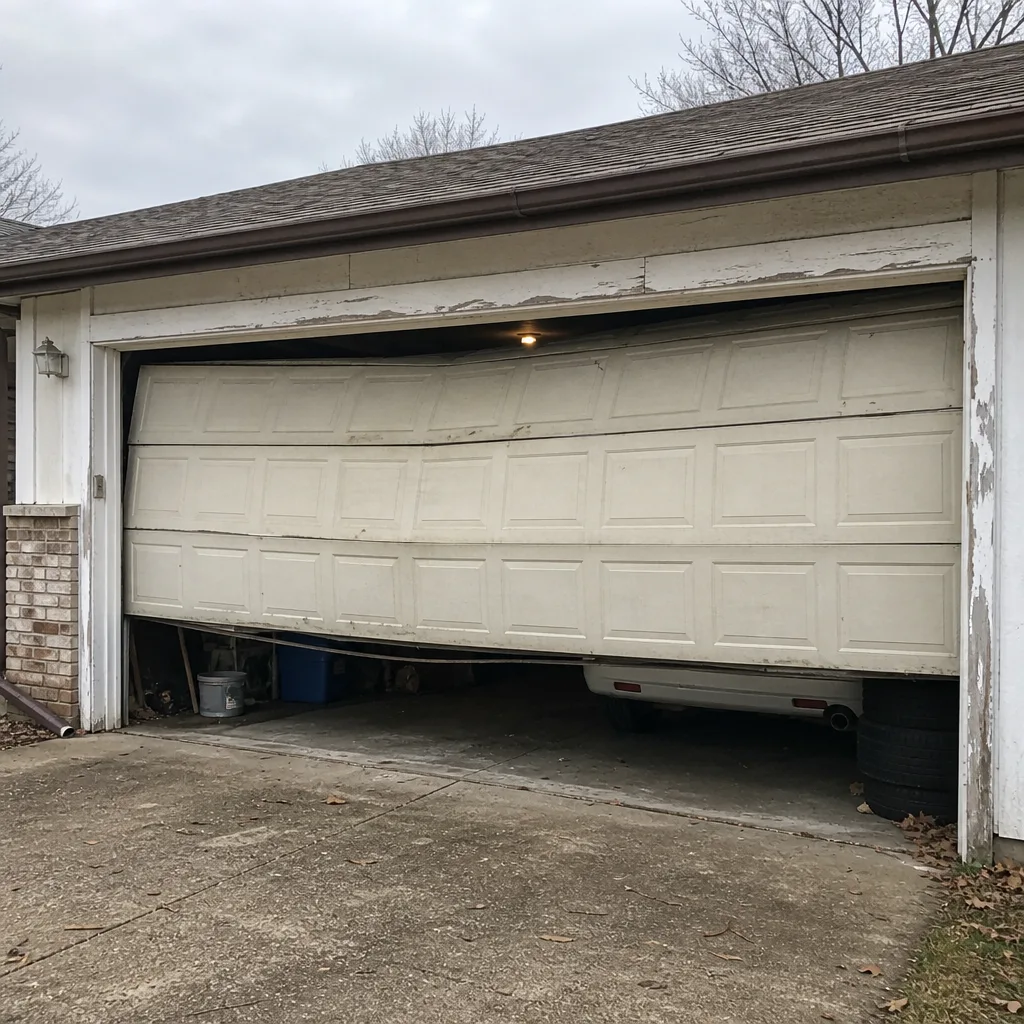 Before
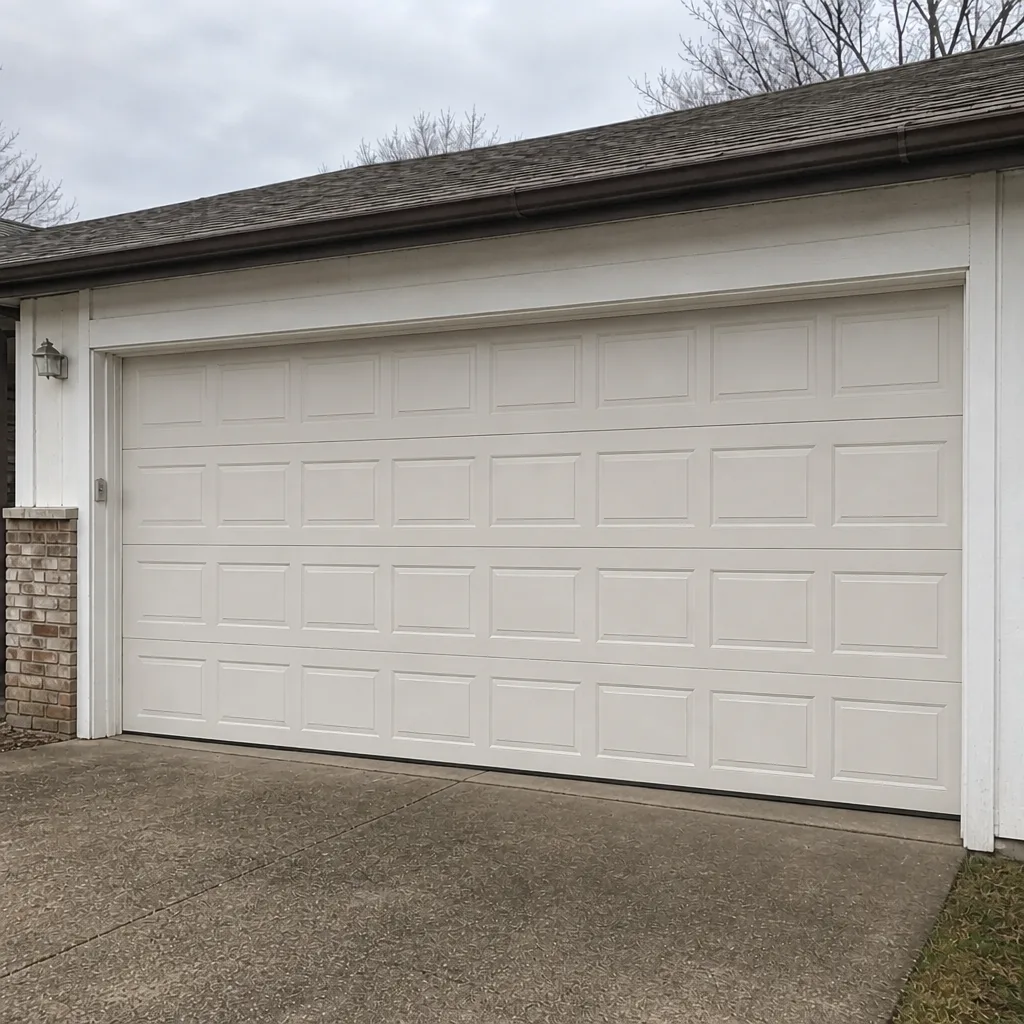 After
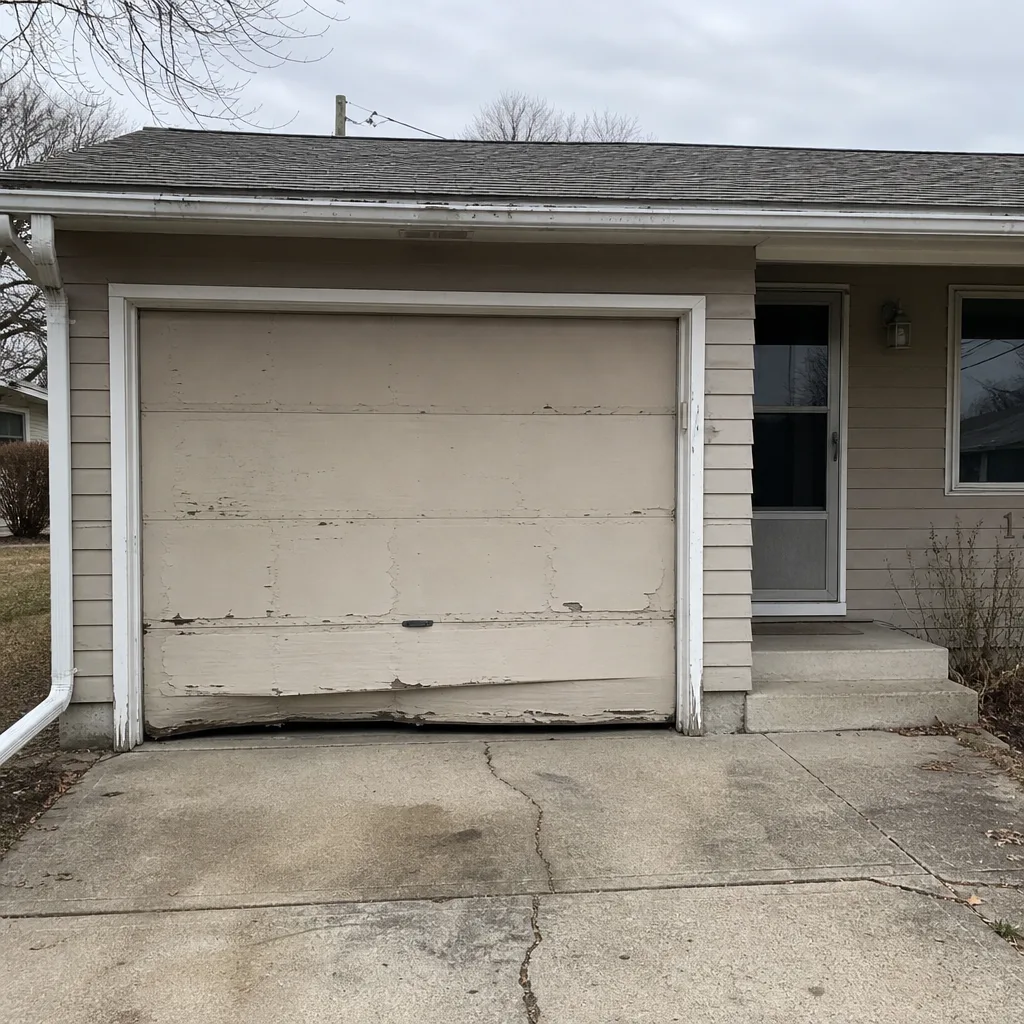 Before
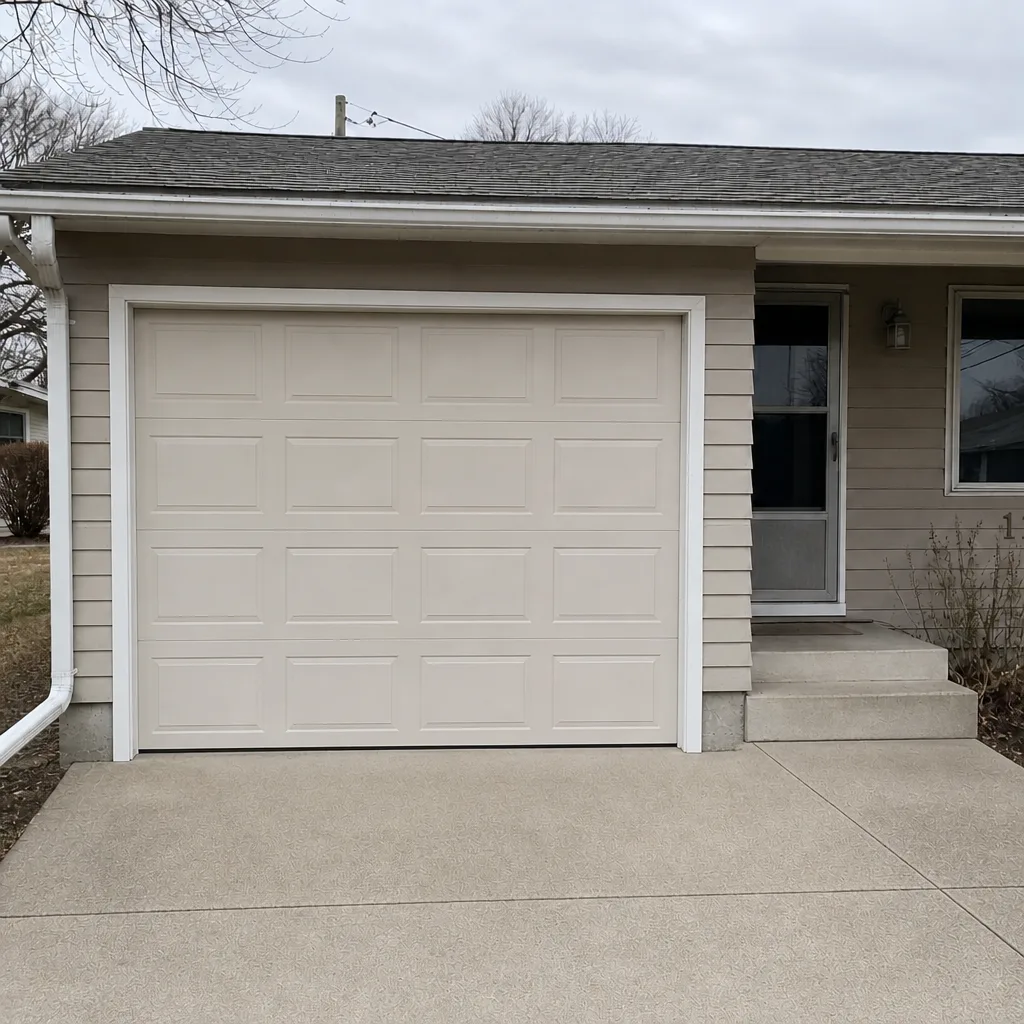 After
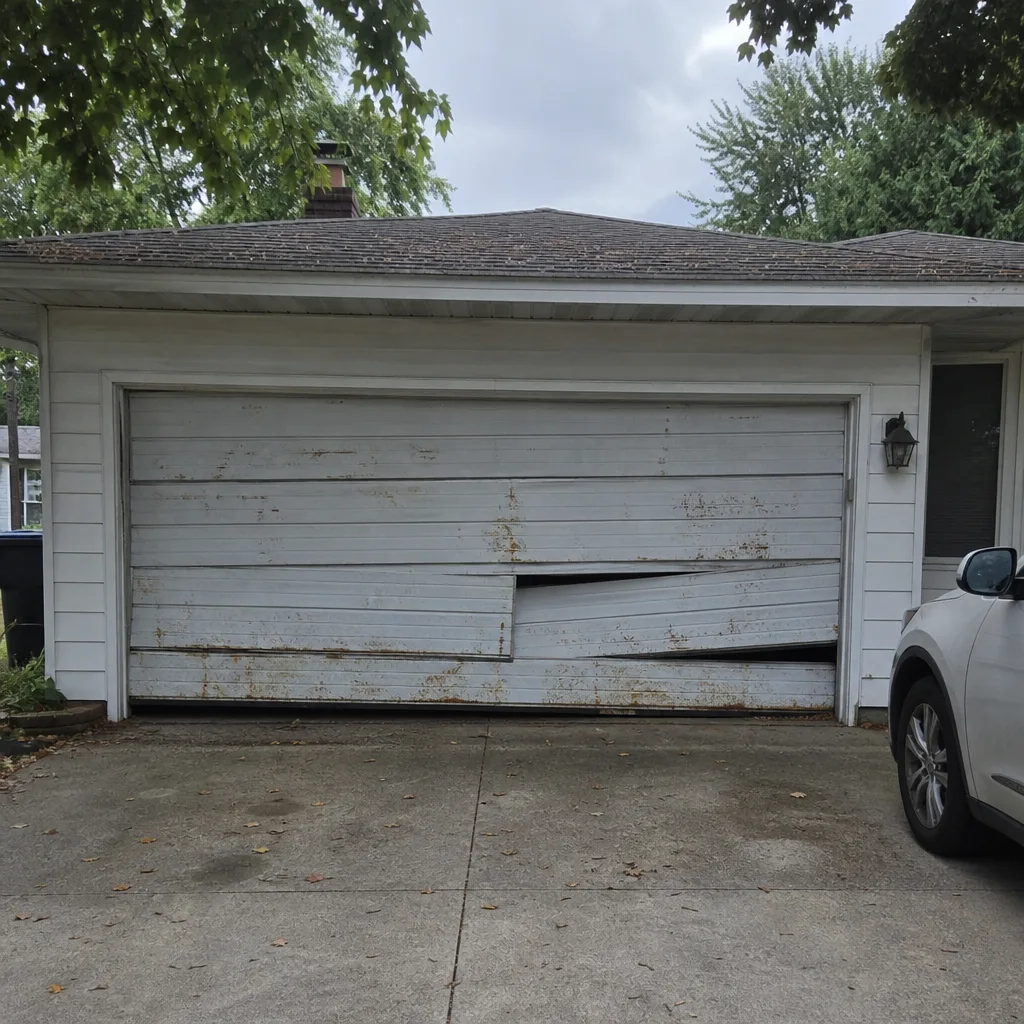 Before
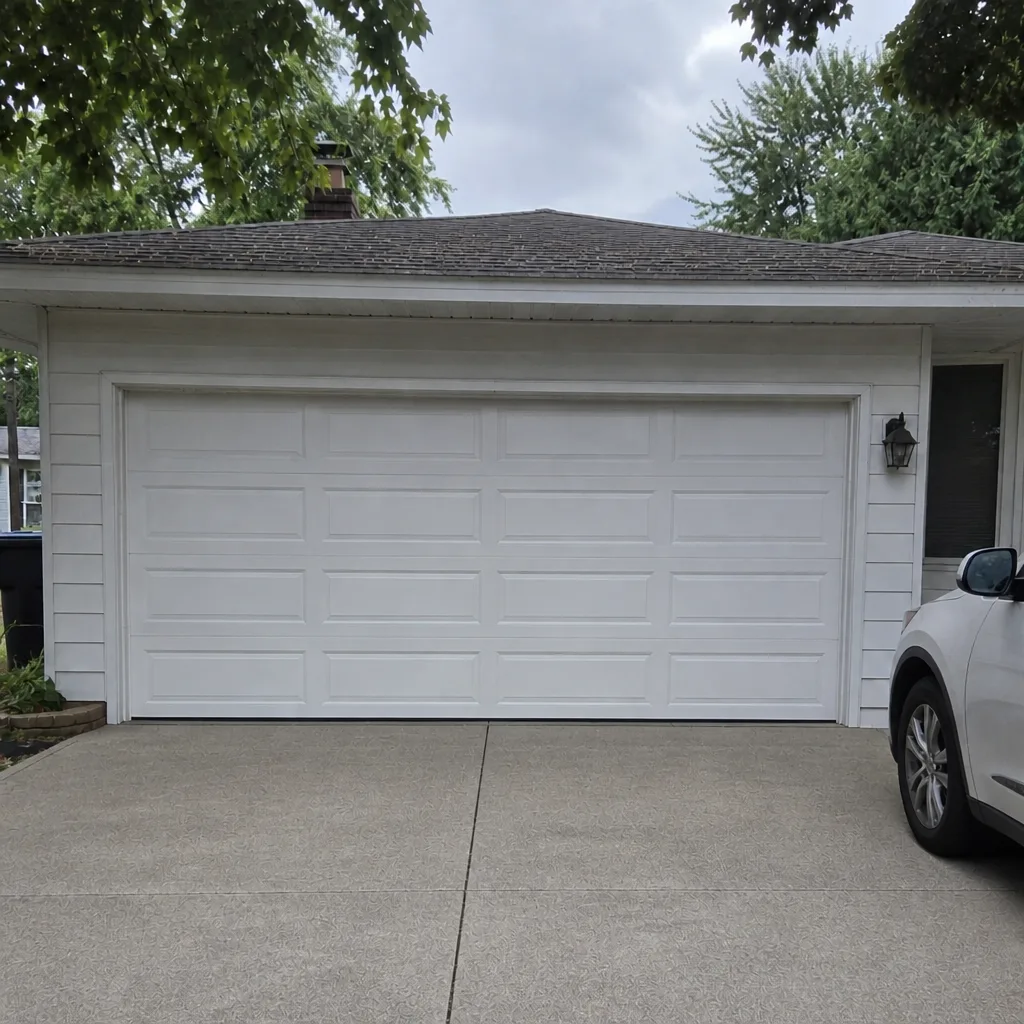 After
When to Call a Professional
Some seasonal care is a homeowner task; some is not. Call a professional when a spring is broken or visibly fatigued, when a cable is frayed or slack, when the door runs unevenly or reverses without cause, when the opener stalls or runs hot, or when the door won’t close fully and you can’t identify the obstruction. A door that has frozen to the floor more than once also points to a seal problem worth professional attention. Burnsville Garage Door Repair Pros offers free estimates in Burnsville – call (844) 443-4836. Spring and cable work is best handled by a trained professional, and if your door fails on a day of the week we’re closed, call and we’ll book you for Sunday. From a snapped spring to a full new installation, one call covers it.
Frequently Asked Questions
Late March, during the spring thaw, is the highest-risk window in our experience. Repeated freeze-thaw cycles stress metal springs that survived deep winter intact, so a spring that held all January can fail in the thaw. Call for a spring check after the thaw or sooner if you hear a loud pop.
Seasonal maintenance visits vary by what’s found, and we quote a written price before any work starts. A basic check-and-lube visit is typically a modest amount, and any needed repair – seal replacement, spring repair, opener fix – is quoted separately and agreed before work begins. Call (844) 443-4836 for an exact quote; estimates are free.
Emergency garage door service is a core offering, and we move fast when a broken spring or stuck door becomes a safety or security issue. Call (844) 443-4836 and we’ll book the earliest available window, including early mornings or Sundays if your door fails on a day we’re closed.
Not necessarily four full inspections – but four targeted checks timed to each Burnsville season catch specific failures a single annual tune-up misses. Spring thaw for springs and cables, pre-summer for opener electronics, fall for seals and weatherstripping, and winter for the freeze-to-floor problem. Even a lighter version of each check beats one June tune-up.
No – the written estimate is the price. We quote based on what we find and agree it with you before any work starts, so there’s no surprise on the invoice. The written estimate sets the final price.
Yes. The local pro we connect you with is licensed and insured as their state requires. We can’t speak to a specific license or policy number we haven’t confirmed, but the technicians we work with meet state requirements. Call (844) 443-4836 for a free estimate.
The Bottom Line
Burnsville’s garage doors don’t wear out evenly. The spring thaw tests your springs and cables, July heat stresses the opener, fall exposes the seals that prevent a winter freeze-to-floor, and winter puts the whole system under load. A four-phase seasonal routine – targeted to each phase – prevents more failures at lower cost than a single annual tune-up ever will. The most important checks are the post-thaw spring inspection and the fall weatherstripping protocol. If anything fails or you find a broken spring, call a trained professional rather than handling it yourself. Our team is here for the whole life of your door, from repair to new installation. For seasonal advice, repair, or a free estimate in Burnsville, call (844) 443-4836 – we’ll give you a written price before any work begins.
Written by the team at Burnsville Garage Door Repair Pros.