Last updated November 22, 2026
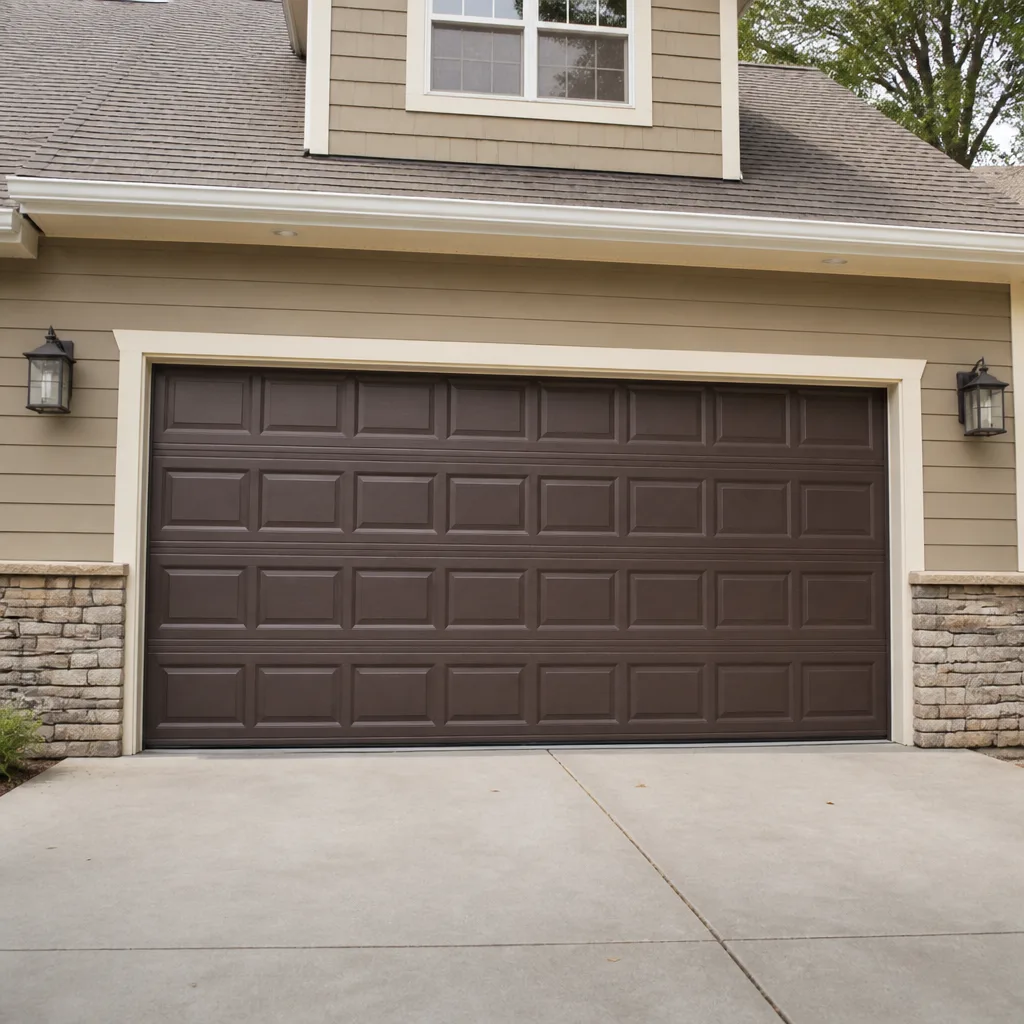 Raised-panel steel
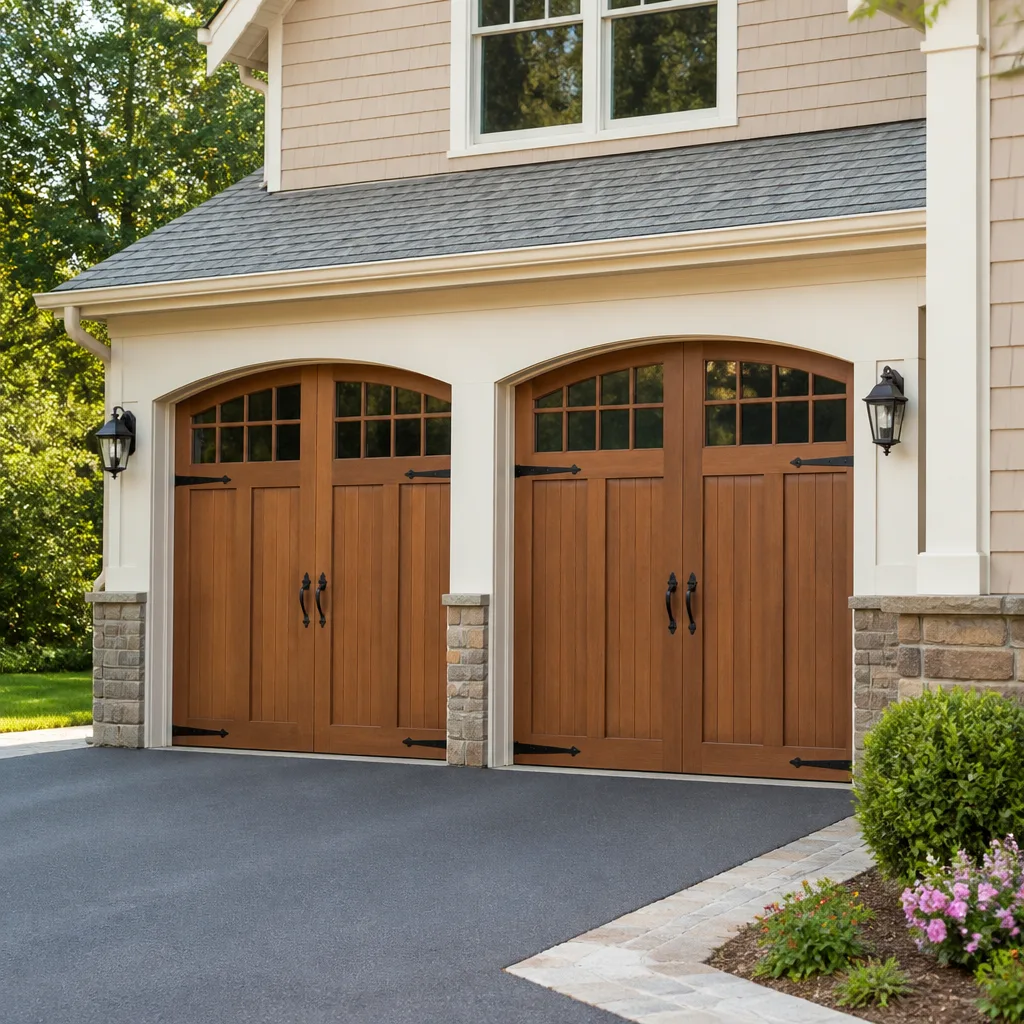 Carriage house
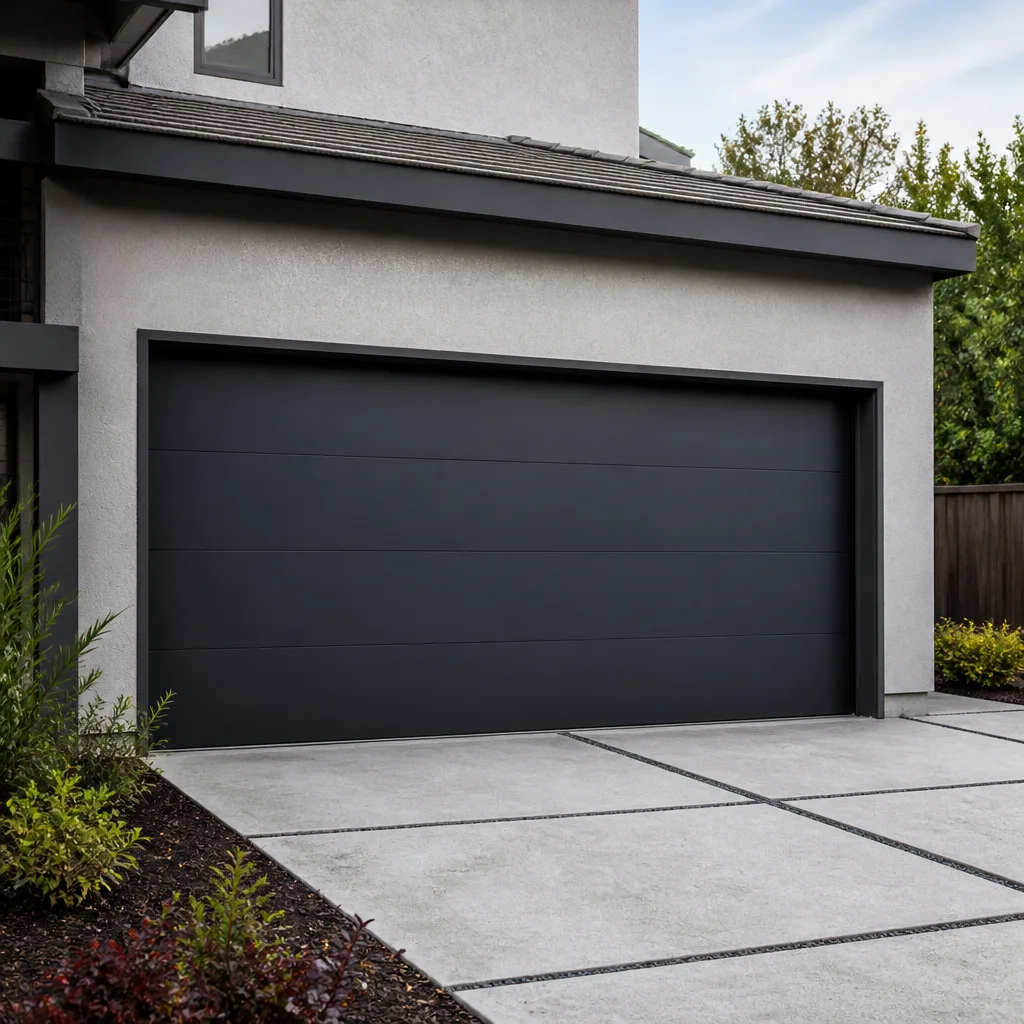 Modern flush
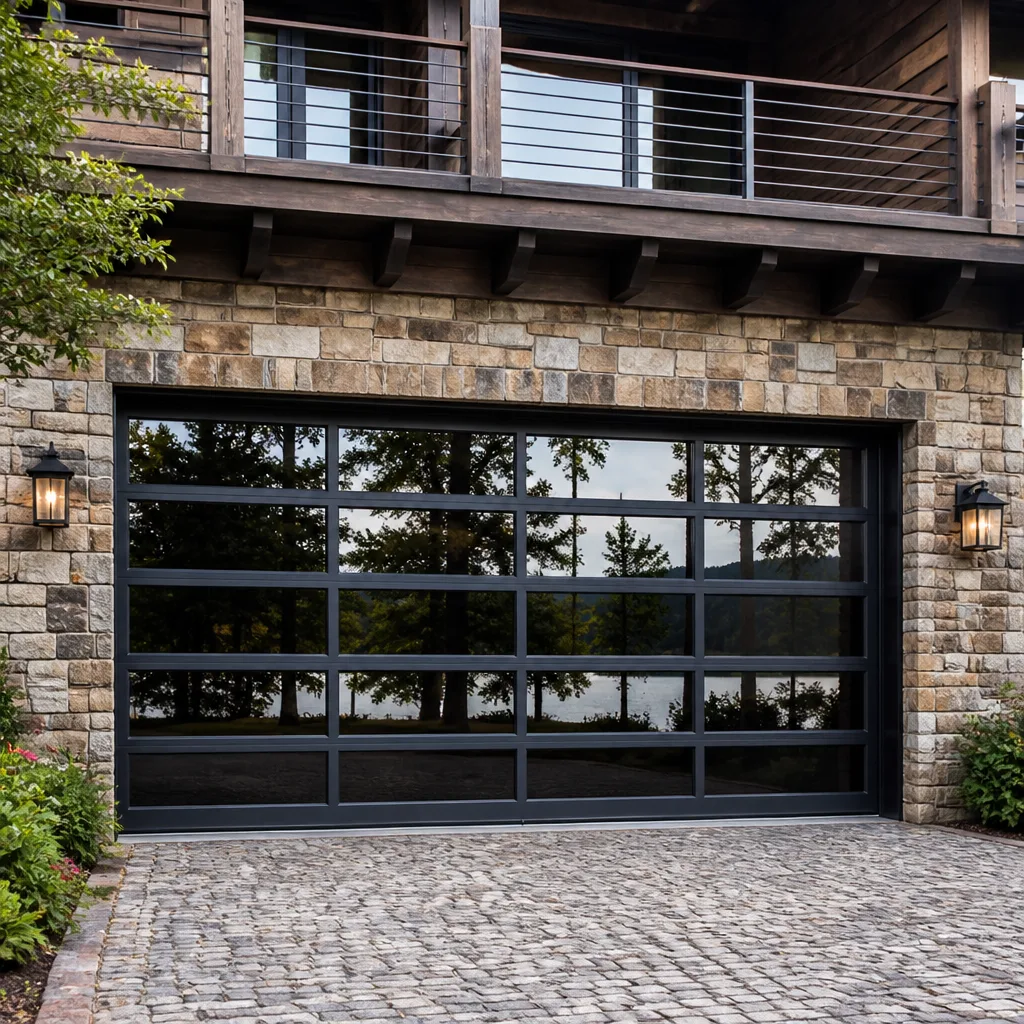 Full-view glass
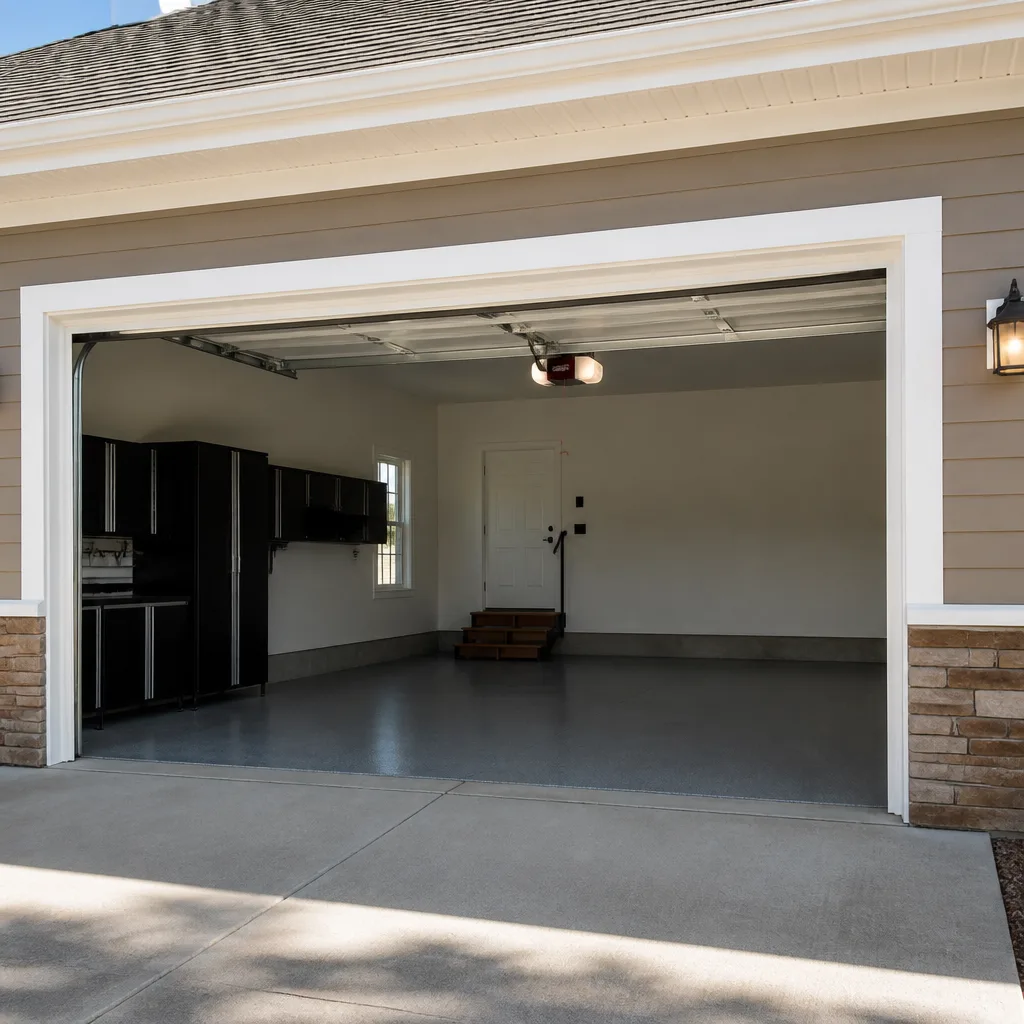 LiftMaster openers
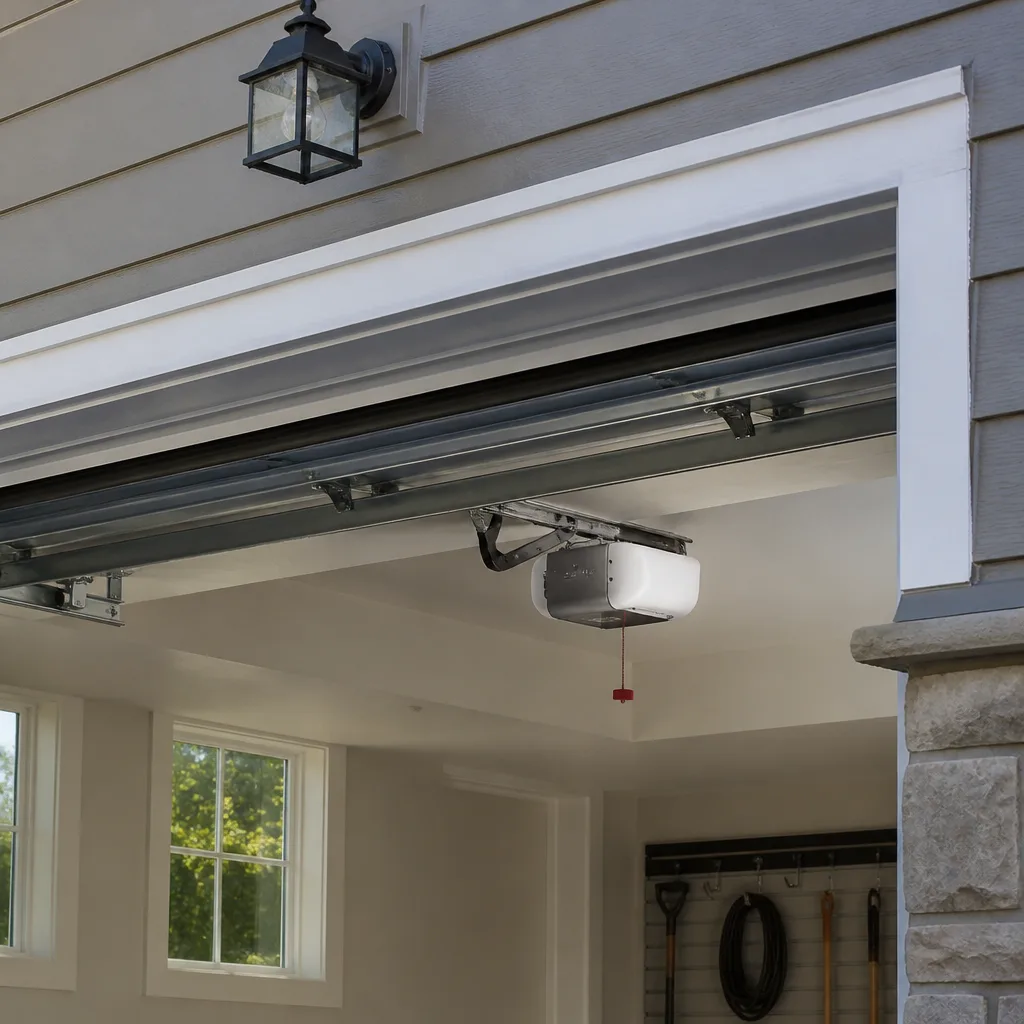 Chamberlain openers
Full 25-point door and opener safety check with every visit - springs, cables, rollers, tracks, and your LiftMaster or Chamberlain opener included
You get a price before we start. It does not change when the pro arrives.
Get your free estimateThe Complete Guide to Garage Doors in Burnsville
Burnsville averages over 50 days a year below 20°F, a threshold where the lubricant in your garage door rollers turns to sludge, your bottom seal cracks like a dry riverbed, and your opener starts straining against a door that suddenly weighs twice what it should. Most “complete guides” floating around the internet were written for a hypothetical house in a mild climate. They tell you to wipe down your steel door once a year and call it maintenance. That advice falls apart the first time a Minnesota cold snap hits and a torsion spring snaps at 6:40 a.m. with your car trapped inside. This guide is built around what actually fails in Burnsville homes, what actually lasts, and how to read a quote so you know what you’re paying for. We’ll cover material specs that survive freeze-thaw, realistic component lifespans for our climate, and the gap between big-box stock and what a specialist installs.
Quick Answer
A garage door in Burnsville should be chosen and maintained around Minnesota’s temperature swings: a heavier-gauge steel door with proper insulation, a cold-rated bottom seal, and annual lubrication with a low-temperature product lasts far longer here than builder-grade stock. Expect to spend roughly $350 to $900 on repairs, $1,200 to $4,500 on a new door installed, and to replace springs, seals, and openers on their own schedules – which are shorter here than national averages. The written estimate you receive should match the final invoice.
Styles & brands we work with
- Raised-panel steel
- Carriage house
- Modern flush
- Full-view glass
- LiftMaster openers
- Chamberlain openers
Table of Contents
- How Minnesota’s Climate Shapes Garage Door Choices in Burnsville
- Steel Gauge, Insulation, and Seals: What the Spec Sheet Is Really Telling You
- What Big-Box Stores Stock vs. What a Burnsville Specialist Installs
- A Realistic Lifespan Breakdown by Component
- Which Door Styles Fit Burnsville’s Home Architectures
- How to Read a Garage Door Quote Line-by-Line
- A Burnsville Maintenance Routine That Actually Works
- The Safety Parts You Should Never Touch Yourself
How Minnesota’s Climate Shapes Garage Door Choices in Burnsville
The number that matters most for a Burnsville garage door is not the door’s color or style. It’s the freeze-thaw cycle count. Minnesota swings above and below freezing repeatedly through late fall and early spring, and each swing stresses every flexible component on the door in a way that a stable climate never does. Water gets into a hairline crack in the bottom seal, freezes, expands, and widens the crack. Repeat that twenty times in a single season and a seal that should last five years is shot in two.
The cold itself adds a second pressure. Standard garage door lubricant thickens as temperatures drop. Below 20°F, a lubricant that flowed freely in October can turn gummy enough that rollers drag, hinges stiffen, and the opener has to work harder to lift the same door. That extra strain is why opener failures cluster in January and February in Burnsville rather than in July.
There’s a third factor that most guides skip: snow and ice dammed against the door. A door that sits against a snowbank at night holds moisture on its bottom panel and lower hinges. That moisture refreezes, and the paint or powder coat at the bottom edge of the door is what pays for it. Here’s what that means in practice:
- Material choice: Steel doors should be a heavier gauge than the builder-grade minimum. Thinner steel dents, and dents hold moisture.
- Insulation: An insulated door does two jobs here – it resists panel warping from cold on one face and warmth on the other, and it reduces the heat loss that turns your attached garage into a freezer.
- Seals: The bottom seal is the single most climate-exposed part of the door. A compound rated for cold climates lasts years longer than a generic one.
- Lubrication: A low-temperature lubricant applied before the first hard freeze prevents most cold-weather opener strain.
When we look at a door in Burnsville, the first thing we check is not the opener or the springs. It’s the bottom seal and the lower two panels, because that’s where the climate does its work first.
Steel Gauge, Insulation, and Seals: What the Spec Sheet Is Really Telling You
Garage door spec sheets are written to be compared side by side, which means they emphasize things that matter less here and gloss over things that matter more. Three specs are worth understanding before you buy anything in Burnsville.
Steel gauge
Gauge is a thickness measure, and lower numbers mean thicker steel. Many builder-grade doors use very thin steel that dents from a stray bicycle handle or a bumped car door and never quite springs back. A heavier gauge costs more up front and holds its shape far better through a Minnesota winter. The spec sheet will usually list gauge if you look for it. If it doesn’t, ask – and treat the absence as a warning sign.
Insulation R-value
The R-value tells you how well the door resists heat flow. For an attached garage in Burnsville, insulation isn’t a luxury – it keeps the garage from becoming a walk-in freezer and reduces the temperature differential across the door’s two faces, which is what warps cheap panels. A well-insulated door also makes the garage usable for a workshop or a home gym through the cold months. Polyurethane insulation outperforms polystyrene at the same thickness, and the difference shows up the first winter.
Bottom seal compound
Most national guides barely mention this part. In Burnsville it’s the part that fails first. The bottom seal is a flexible strip that touches the floor and keeps out snow, rain, and cold air. Cheap seals harden in the cold and crack. Cold-rated seals stay pliable. When you’re comparing doors, ask what compound the bottom seal uses. When you’re maintaining an existing door, this is the first thing to inspect each fall.
The pattern is consistent: the specs that matter most in Burnsville are the ones the flashiest national marketing talks about least. A door with impressive style and thin steel is a liability here. A plain door with heavier steel and a cold-rated seal is an investment.
What Big-Box Stores Stock vs. What a Burnsville Specialist Installs
Walk into a big-box store and you can buy a garage door. What you can’t buy there is the door a specialist would install for a Minnesota climate, for one straightforward reason: big-box stock is selected for what sells everywhere, not for what survives a Burnsville winter. The stock door is built to meet a national price point, and every cost cut happens in the materials and components that climate stresses most.
Here’s the gap in concrete terms:
- Panel steel: Stock doors tend toward the thinnest acceptable gauge. Specialists source heavier gauge because it holds up.
- Insulation: Stock doors often use polystyrene because it’s cheaper. Polyurethane is what most Burnsville specialists install.
- Bottom seal: Stock seals are frequently universal-fit and not rated for hard cold.
- Hardware: Stock hinges and rollers are the cheapest spec that will pass a basic duty cycle.
- Opener pairing: A specialist matches the opener’s torque and duty cycle to the door’s actual weight, which big-box packaging rarely addresses.
None of that means a big-box door is always wrong. It means the door was unlikely designed around freeze-thaw, and the parts that fail first here are the parts where the savings were taken. When we open a box for an install in Burnsville, we know what’s on the door before we touch it, because the brand matters too – the doors we see most often and know best come from a short list, including Clopay. Brand-specific expertise means correct parts the first time instead of a second trip.
The other gap is longevity of the whole system. A door is only as good as the opener driving it and the springs balancing it. A specialist pairs all three together. A big-box purchase typically addresses only the door.
A Realistic Lifespan Breakdown by Component
Manufacturer literature quotes ideal lifespans, tested in steady conditions. Burnsville isn’t steady. Below you’ll find what we see in real local conditions, broken out by component – and the honest answer is that several parts have a shorter working life here than the marketing suggests.
- Torsion springs: Typically 7 to 12 years in a milder climate; expect the lower end in Burnsville, where cold embrittlement and thermal cycling shorten spring life. A spring’s lifetime is measured in cycles, and a house with heavy daily use will hit the cycle limit faster.
- Extension springs: Often 10 to 15 years, again on the shorter side in the cold.
- Rollers: Steel rollers can last many years; nylon rollers last well but stiffen in the cold. Expect to replace rollers before the door itself fails.
- Bottom seal: 3 to 7 years. The first part to go, and the one most neglected.
- Opener: 10 to 15 years for a quality unit. Belt-drive openers fare better in cold than chain-drive, mostly because of lubrication behavior.
- Door panels and steel: 20 to 30 years if the steel is good gauge and the finish holds. Rust at the bottom edge is what ends a cheap door’s life here.
- Hinges and cables: Cables often last the life of the spring if maintained; hinges need periodic replacement and lubrication.
Two patterns stand out. Springs fail sooner than national averages because cold shortens their fatigue life. Seals fail sooner for the same reason. If you live in Burnsville and your seal has been on the door for more than five winters, it’s probably past its best.
The takeaway for anyone planning a new door: the lifespan you get isn’t set by the door’s headline price. It’s set by whether the components that fail first were specified for the climate. Heavier steel and a cold-rated seal move the failure point years down the road.
Which Door Styles Fit Burnsville’s Home Architectures
Most of Burnsville’s housing stock falls into three shapes, and each shape has door styles that look native to it and styles that don’t. A door that fights the house’s architecture looks wrong no matter how well it’s built, and a local specialist notices that before quoting.
Ramblers
Ramblers, or single-story homes, are common across Burnsville and they typically favor wide, low garages. A traditional raised-panel door in a short-panel configuration matches a rambler’s proportions well. Deep carriage-house styles can make a low roofline look squat, so height matters – a rambler wants a door that emphasizes width. Insulation is worth prioritizing on a rambler’s attached garage because the garage is usually under the same roof mass as the living space.
Split-levels
Split-levels are everywhere in the metro, and their garages often sit at a lower grade than the main entry. A shorter door with a horizontal window row keeps the front elevation balanced. The bottom of a split-level door catches the most snowmelt and road slush in winter, so a cold-rated bottom seal and heavier-gauge bottom panel matter more here than on most houses.
Colonial builds
Colonial elevations call for a formal, symmetrical door. Raised-panel steel with classic window placement reads correctly on a colonial and looks wrong in a modern flush style. On two-car colonials, the door spans a wide opening, and the springs and opener need to be sized for that span rather than standard sizing.
Newer and custom builds
Farther-out Burnsville neighborhoods often have newer custom homes that mix styles, and those tolerate more modern or carriage-house doors. If you’re in a newer build, the deciding factor is window placement relative to the front elevation and whether the door reads as part of the house or as an afterthought.
Whichever style you choose, the climate rules don’t change. A beautiful door with thin steel and a fair-weather seal is a mistake in Burnsville regardless of style. Style is the last 20 percent of the decision. Materials and components are the first 80 percent.
How to Read a Garage Door Quote Line-by-Line
A garage door quote is one of the few home repair estimates a homeowner can actually audit, because every line corresponds to a real part or piece of labor. Reading it properly is the difference between a fair price and a surprise invoice. Here’s how to work through one in order.
- Identify the door spec. The first line should name the door model, gauge, insulation type, and dimensions. If it just says “2-car steel door,” ask for specifics.
- Check the spring line. A torsion spring quote should be for one spring, and a matched pair is usually replaced together, so a pair costs about twice the single-spring price. Verify which you’re getting.
- Look for the bottom seal. A quote that omits the bottom seal is either assuming you’ll reuse a worn one or planning to add it later. On a new install, the seal should be cold-rated and listed.
- Check the opener separately. Opener pricing should appear as its own line, with the model named. If the door quote includes an opener, make sure the torque and duty cycle match the door weight.
- Read the labor and haul-away. Labor and disposal of the old door should be itemized. A missing disposal line becomes a surprise charge later.
- Look for permit notes. Most cities require a permit for structural garage door work. Ask your city’s building department what’s needed, and confirm the quote says who pulls it.
- Confirm the written-estimate guarantee. The written estimate is the price. Ask before signing whether the quote is fixed or an estimate that can change.
For a sense of what lines typically cost in Burnsville: spring repair is generally $180 to $340 for one spring, opener replacement $300 to $650 installed, and panel replacement $250 to $900 depending on the panel. A new door installed runs $1,200 to $4,500, with the exact figure driven mostly by insulation, gauge, and size. These are typical estimates, not final prices – the written estimate is what sets the price.
One last check: compare at least two quotes on paper. A fair quote is itemized and specific. A quick verbal number is neither, and the work that follows tends to reflect that.
A Burnsville Maintenance Routine That Actually Works
A garage door maintenance routine written for a mild climate is too thin for Burnsville. The right routine is built around the cold season, with most of the critical work happening before the first hard freeze. Here’s what we’ve found works in this climate, in order.
- Lubricate for cold (early fall). Apply a low-temperature lubricant to hinges, rollers, and the spring. Standard lubricant thickens below 20°F; a cold-rated product stays effective.
- Inspect the bottom seal (early fall). Run a hand along the seal. If it’s stiff, cracked, or has gaps, replace it before the freeze. A failing seal lets cold and snow in all winter.
- Check door balance (monthly). With the opener disengaged, lift the door halfway by hand. It should stay put. If it drifts down, the springs are losing tension.
- Test the safety reverse (monthly). Place a piece of wood in the door’s path and close it. The door should reverse. If it doesn’t, stop using the opener and call a technician.
- Listen for strain (throughout winter). Grinding, scraping, or a door that jerks on the way up is the opener and springs fighting the cold.
- Inspect the bottom panels (spring). Snow and slush collect at the bottom edge. Check for rust or dents that hold moisture.
- Clear the weatherstripping and stop molding (spring). Flexible weatherstripping around the frame cracks in the cold. Check it after the thaw.
The routine is short, and it’s mostly about the cold. If you do nothing else, lubricate before winter and inspect the bottom seal. Those two steps prevent more failures in Burnsville than anything else.
For anything involving the springs or the cables, don’t do it yourself. That leads to the last section.
The Safety Parts You Should Never Touch Yourself
Two parts of a garage door can kill you if you touch them without the right training: the torsion springs and the cables. Both are under high tension, and both store that energy even when the door is fully open. A torsion spring failure or a cable snapping under load releases that energy instantly. People who try to adjust springs themselves are seriously injured every year.
Here’s the safety line in clear terms:
- Never adjust or replace torsion springs. This is a specialist’s job. We install the correct spring for the door’s weight and cycle count.
- Never cut or loosen tension cables. Cables are under load and can whip when released.
- Never oil the tracks. Tracks should stay clean and dry. Lubricant in tracks collects grit and can cause the door to bind.
- Do adjust the safety reverse test. That’s a homeowner-safe check, and it matters.
- Do call a technician for any spring, cable, or opener-strain problem. Those are the high-risk cases.
Spring repair is one of the most technically demanding parts of the trade, and it’s the part we specialize in. If the spring is broken, that’s not a Saturday DIY project – call a professional.
If you’re not sure whether a part is spring-related, describe what the door is doing. A door that won’t lift, lifts slowly, or makes a loud bang from above is almost always a spring or cable issue, and it should be handled by someone trained for it.
Common Mistakes to Avoid
- Choosing steel gauge by price alone. Thin steel dents, dents hold moisture, and moisture is what ends a low-grade door’s life. In Burnsville’s cold, the cheap gauge is a false economy.
- Skipping the cold-rated bottom seal. A fair-weather seal hardens and cracks within a couple of seasons here. It’s the first part to fail and the cheapest to replace – replacing it on schedule saves the bottom panel.
- Using standard lubricant through winter. Standard lubricant thickens below 20°F and overworks the opener. A cold-rated product applied in fall prevents the January opener failures.
- Replacing one spring in a matched pair. When springs are a matched set, replacing one and not the other leaves the door unbalanced and stresses the remaining spring. Replace both.
- Buying the big-box stock door without checking the gauge and insulation. The door on the shelf was chosen for a national price point, not for freeze-thaw. Ask for the gauge and insulation type before you commit.
- Accepting a verbal price. A written, itemized quote is the price. Without it, the final invoice has nothing to hold it to.
- Ignoring the monthly safety reverse test. It’s a five-second check that tells you whether the opener’s safety system works. A failing test is a safety problem, not a convenience one.
See the difference
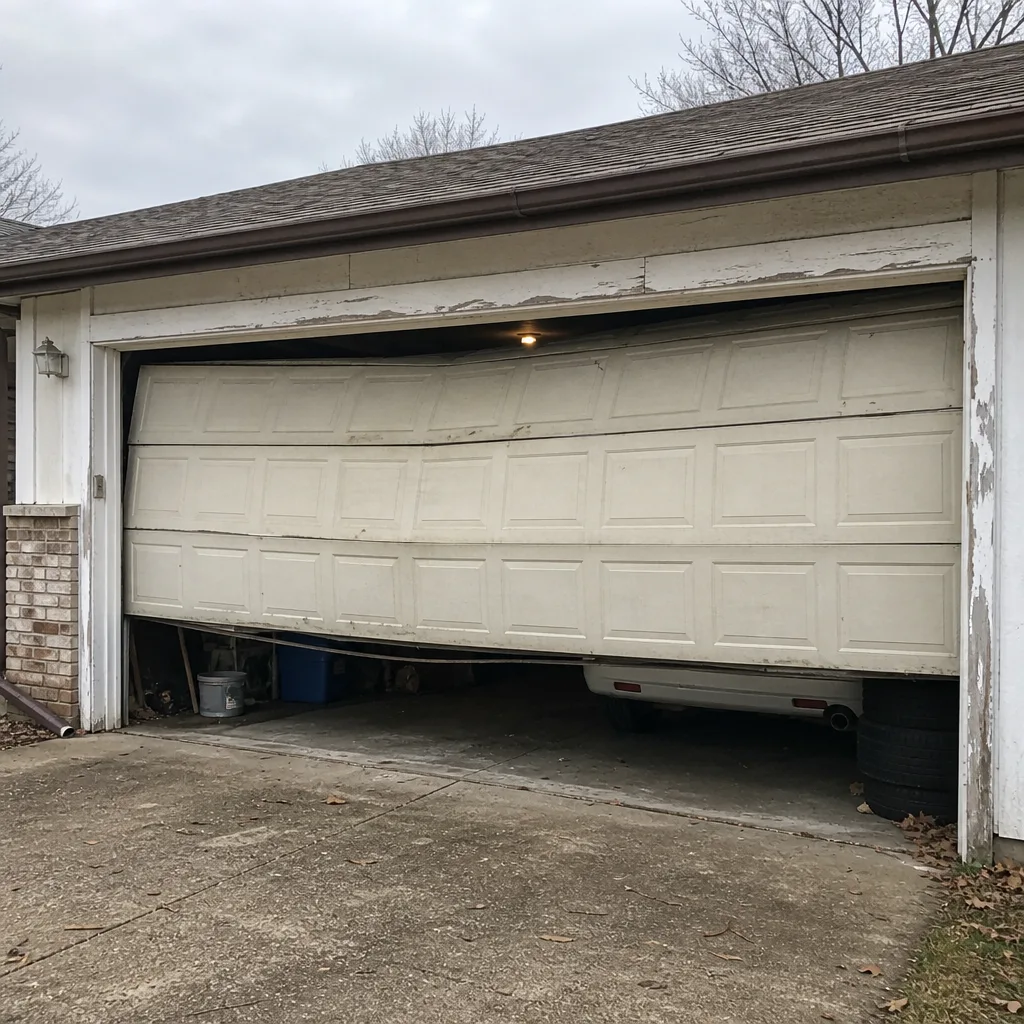 Before
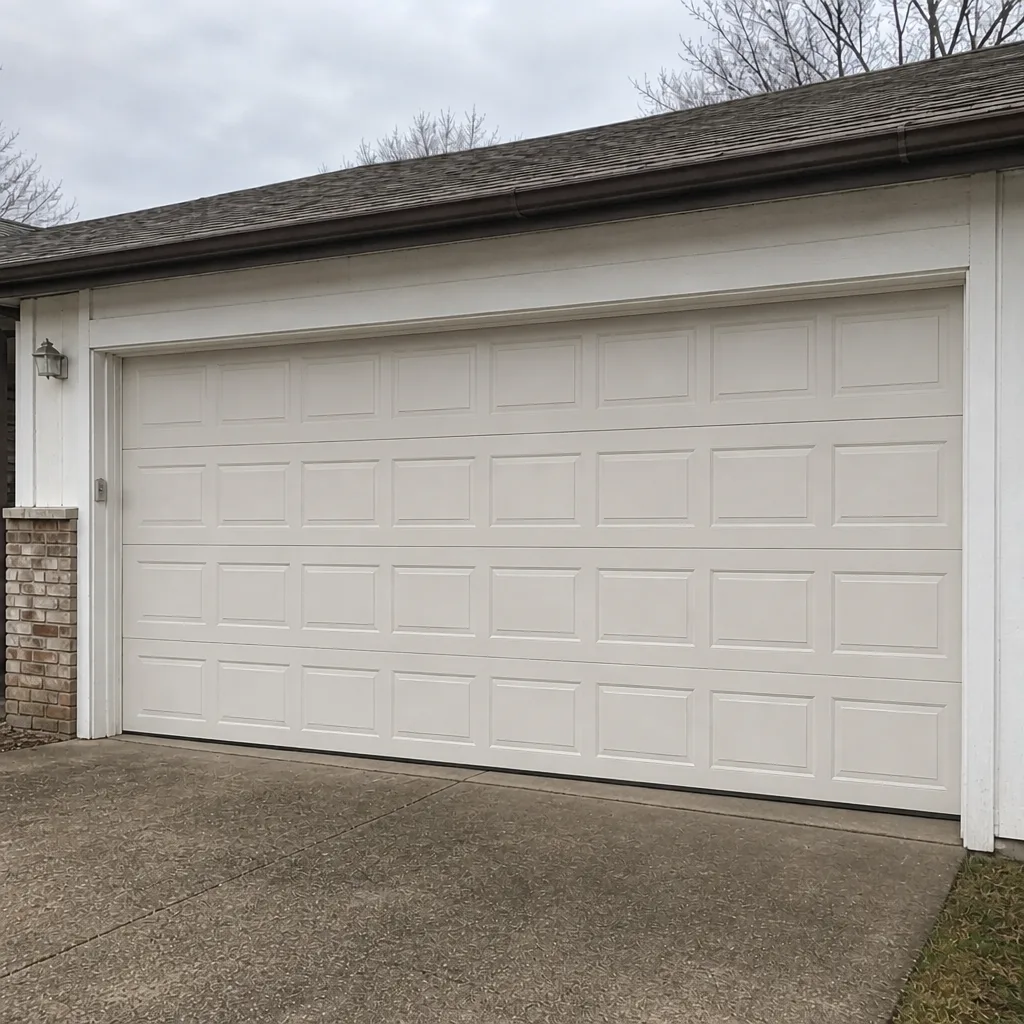 After
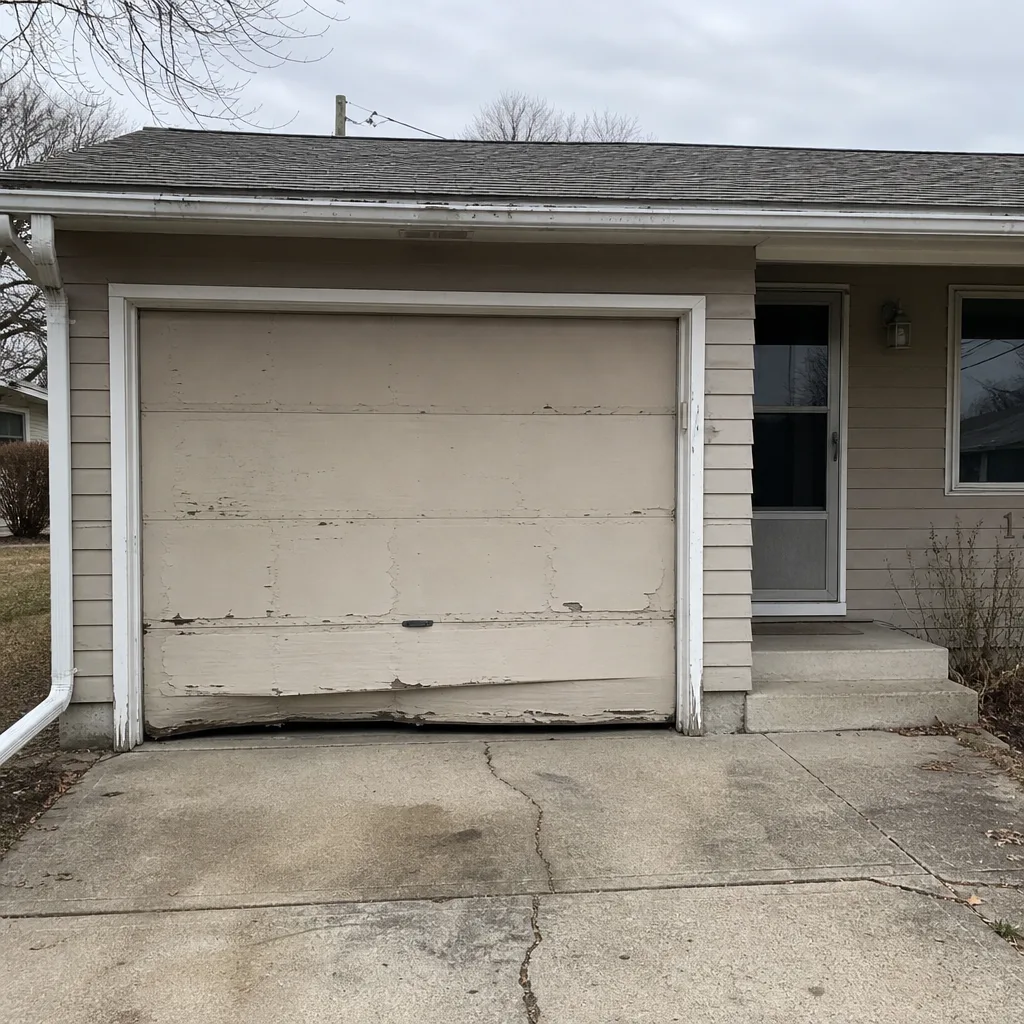 Before
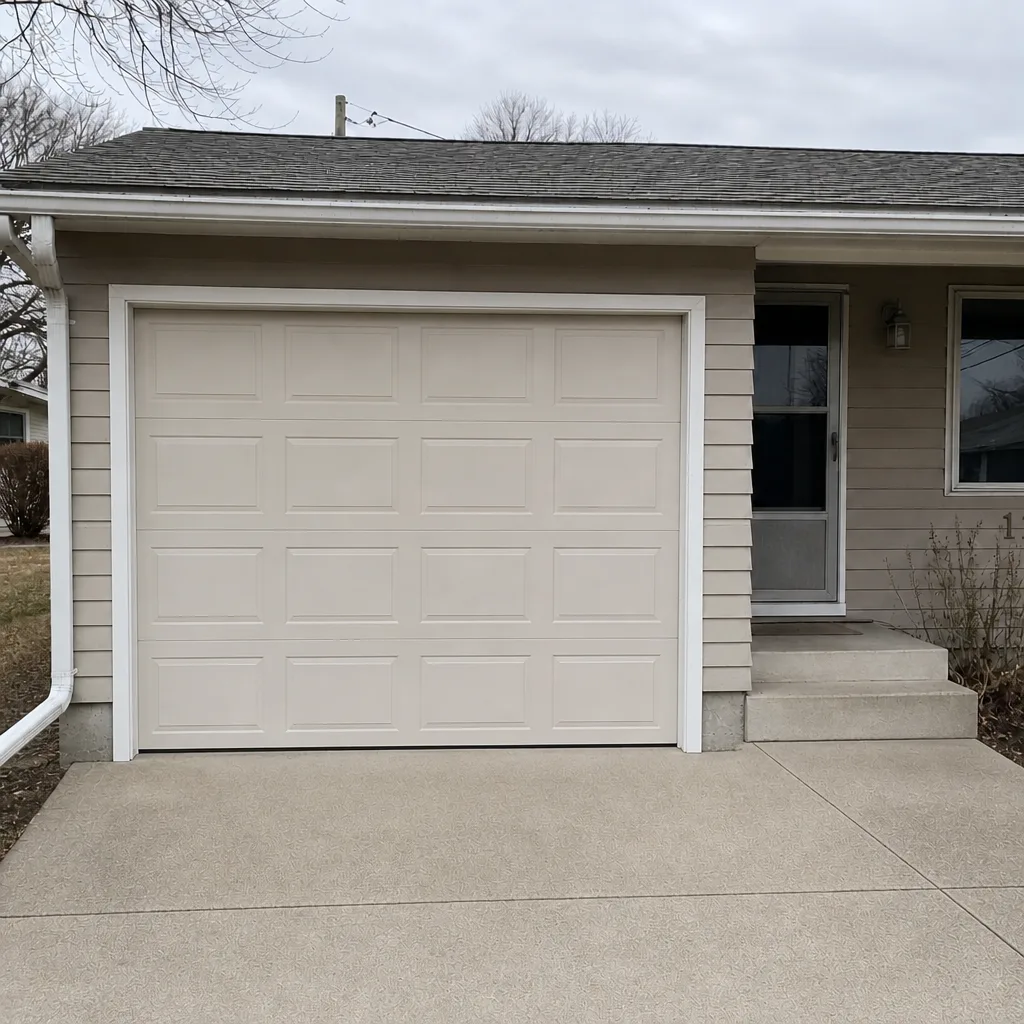 After
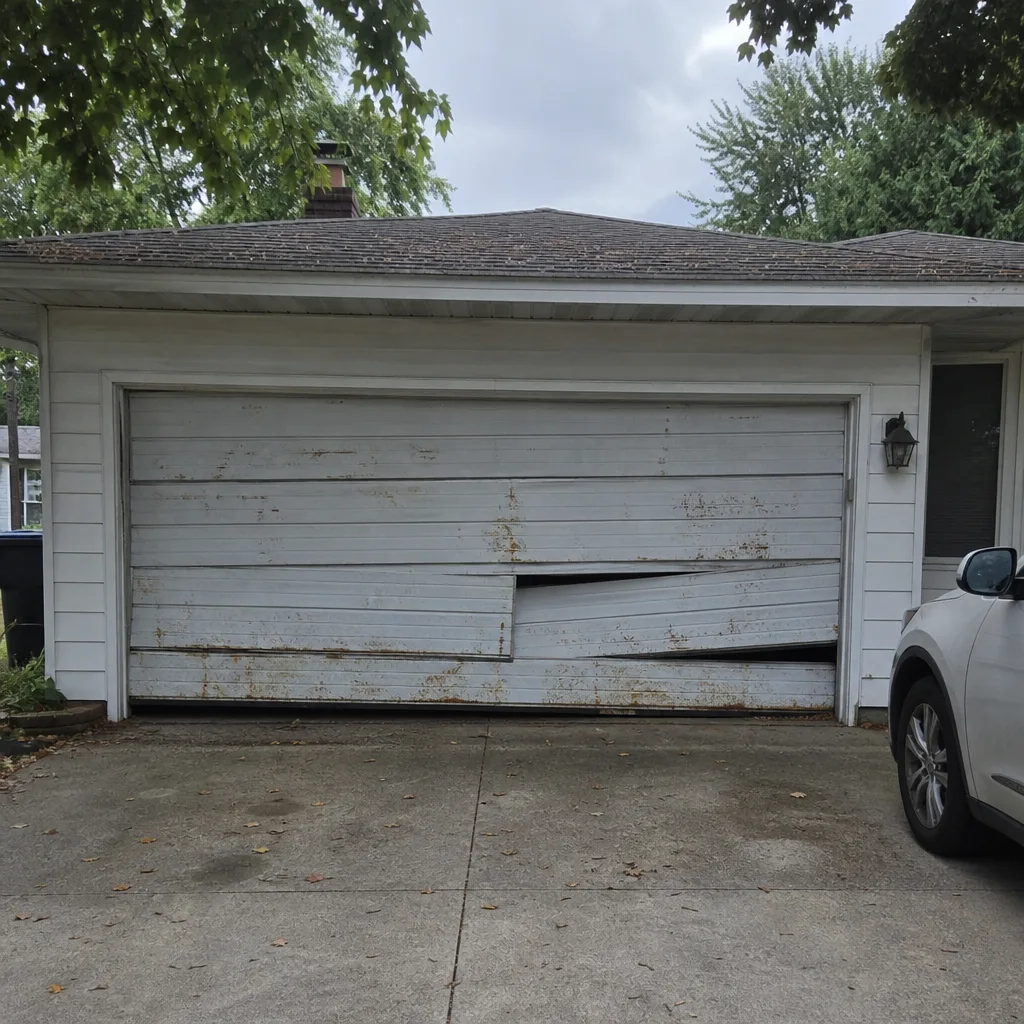 Before
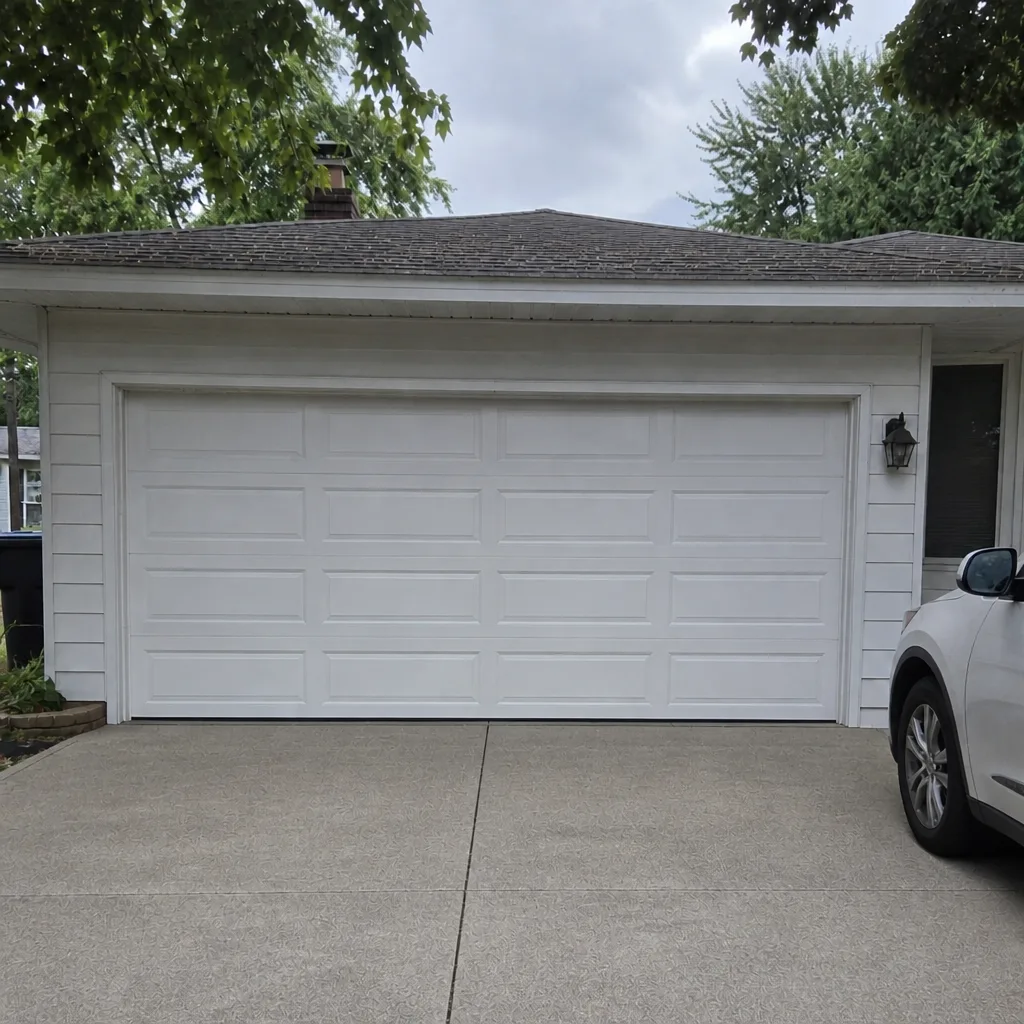 After
When to Call a Professional
Some door problems are homeowner checks; others need a trained technician. Call a professional if the door won’t lift, lifts slowly, or makes a loud snap or bang from above the door – those point to springs or cables and should never be handled by an untrained person. Call if the safety reverse won’t engage, if the opener grinds or strains for no obvious reason, if the door drifts down when left halfway open, or if the seal, hinges, or cables are worn enough to need replacement. For a new door, an opener upgrade, or an install where the gauge and insulation matter, call for a free measure and a written price.
We work on LiftMaster, Chamberlain, Genie, and Clopay products every day, along with Amarr, Wayne Dalton, Craftsman, and Raynor, which means we know what to look for on each brand and can source the right part without guesswork. Burnsville Garage Door Repair Pros offers free estimates in Burnsville – call (844) 443-4836. Our technicians have up to 14 years of experience, and the price is agreed before any work starts. Same-day service is available for repairs and emergencies, with fast dispatch from 7am to 7pm.
If your door fails on a Saturday, call and we’ll book you for Sunday – we’re closed on Saturdays. If the spring is broken, don’t use the door in the meantime. A broken spring means the opener is pulling the full weight of the door, and that can damage the opener and the door itself within a few cycles.
Frequently Asked Questions
Typical garage door repair in Burnsville runs $350 to $900 for most jobs, with the exact figure depending on the part. Single spring repair is usually $180 to $340 per spring, opener replacement $300 to $650 installed, and panel replacement $250 to $900 per panel. Call (844) 443-4836 for an exact quote – estimates are free, and the written estimate is the price you’ll pay.
Springs in Burnsville typically fail sooner than the national average because cold temperatures speed up spring fatigue. A torsion spring that might last 7 to 12 years in a milder climate often fails on the shorter side here. A spring’s life is measured in cycles, and heavy daily use shortens it. If your door has a loud snap or won’t lift, call (844) 443-4836 – estimates are free.
Brand matters less than the specific model’s gauge, insulation, and seal. We service Clopay, LiftMaster, Amarr, Chamberlain, Genie, Wayne Dalton, Craftsman, and Raynor and can advise on the model that fits a Burnsville climate. Call (844) 443-4836 for a free measure and a written price.
Yes, same-day service is available for repairs and emergencies, with fast dispatch from 7am to 7pm. Emergency garage door service is a core part of what we do, not an afterthought, because a broken door is often a security problem for the whole house. Call (844) 443-4836 and we’ll get a technician booked.
No – the written estimate we agree to before any work starts is the price you pay. A door that looks simple from the driveway can hide a complicated spring, but any change is quoted and agreed with you before we proceed. Call (844) 443-4836 for a free estimate.
Yes. The local pro we connect you with is licensed and insured as the state of Minnesota requires. Our technicians have up to 14 years of experience, and we specialize exclusively in garage doors, so every job is handled by someone who does this work every day. Call (844) 443-4836 for a free estimate.
A specialist looking after your garage door in Burnsville makes the difference between a door that lasts a Minnesota winter and one that doesn’t. From a snapped spring to a full new installation, one call covers it. See our Burnsville Garage Door Repair Pros homepage for an overview of everything we do, or go straight to garage door repair if your door is acting up, garage door opener repair if the motor is the problem, or garage door spring repair if you heard a bang.
The Bottom Line
A garage door in Burnsville should be chosen and maintained around the climate first and style second. Heavier-gauge steel, real insulation with a meaningful R-value, and a cold-rated bottom seal outlast any fair-weather door regardless of brand. Springs and seals fail sooner here than national averages, so plan replacements on the shorter side. Read the quote line by line, confirm spring pricing is per spring, and make sure the written estimate is agreed before work starts. The parts that can hurt you – springs and cables – never get the DIY treatment. Call (844) 443-4836 for a free estimate.
Written by the team at Burnsville Garage Door Repair Pros.